
Wear
Know what it is made of.
A vegan closet starts with the tag: what comes from animals, what works without them, and which material claims need a closer look.
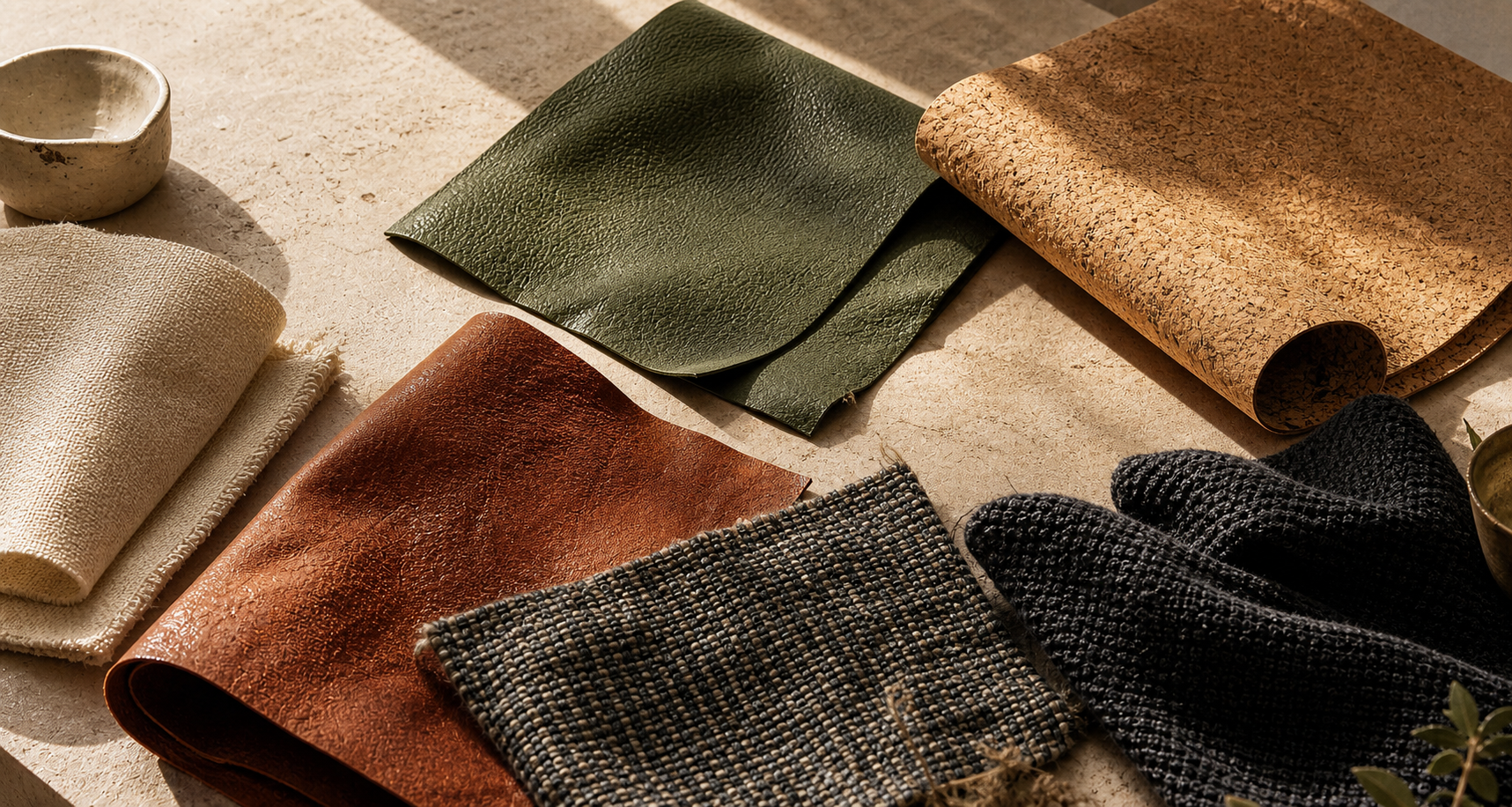
Check these four first.
The big four are leather, wool, silk, and down. Once you can spot those, most fashion checks get easier. The complication is that they show up in obvious places and hidden ones: trim, lining, insulation, labels, buttons, patches, and blends.
Do not rely on product categories. A boot is not automatically leather. A coat is not automatically wool. A scarf is not automatically silk. A lower-priced shoe may be fully synthetic without ever using the word vegan. The material tag is the first source of truth, and the product page is the next.
Read the whole material list, not just the first line. Shell, lining, trim, fill, sole, insole, and decorative details can all tell different stories.
Leather alternatives, without the fantasy.
Most vegan leather is still synthetic. That does not make it useless, but it does mean you should judge quality instead of trusting the word vegan by itself. Thin plastic can peel, trap heat, and age badly. Better coated textiles, recycled synthetics, cork, cactus, apple, pineapple, and mushroom-based materials can be more interesting, but they are not all equal.
Do not choose the alternative that sounds most natural. Ask what the item has to survive: rain, commuting, folding, abrasion, stretching, weight, sitting, dancing, or daily use.
For some items, the best animal-free choice is not leather-look at all. Canvas, nylon, cotton, mesh, rubber, cork, raffia, and technical fabrics can look better than a fake leather trying too hard.
Wool, silk, and down alternatives.
Cotton, linen, hemp, viscose/rayon, modal, lyocell, cupro, and recycled synthetics can cover a lot of the drape, softness, and everyday wear people expect from silk or wool. For warmth, modern synthetic insulation can be excellent and often performs better than down when wet.
Be careful with romantic labels. Peace silk still comes from silkworms. Wool blends may look mostly synthetic until you read the tag. Down can hide inside winter coats, pillows, vests, and quilted linings. If the product page says cozy, heritage, brushed, quilted, or luxury, still read the materials.
What is worth wearing.
Use this as the first pass before spending real money.
Best everyday bets
Cotton, linen, hemp, canvas, Tencel, modal, cupro, rubber, recycled nylon, recycled polyester, cork, and better vegan leathers from brands that explain their materials clearly.
Worth checking closely
Cactus, apple, pineapple, mushroom, and other newer leather alternatives. Some are beautiful and durable; some are expensive proof-of-concept materials. Look for care instructions and long-term use evidence.
Usually a warning sign
A product that says vegan leather but gives no material detail, no care information, and no close texture photos. That may still be usable, but check carefully before buying.
The tag check
Read shell, lining, trim, fill, and decorative details. Then check the product page for a vegan claim or material explanation if the tag is incomplete.
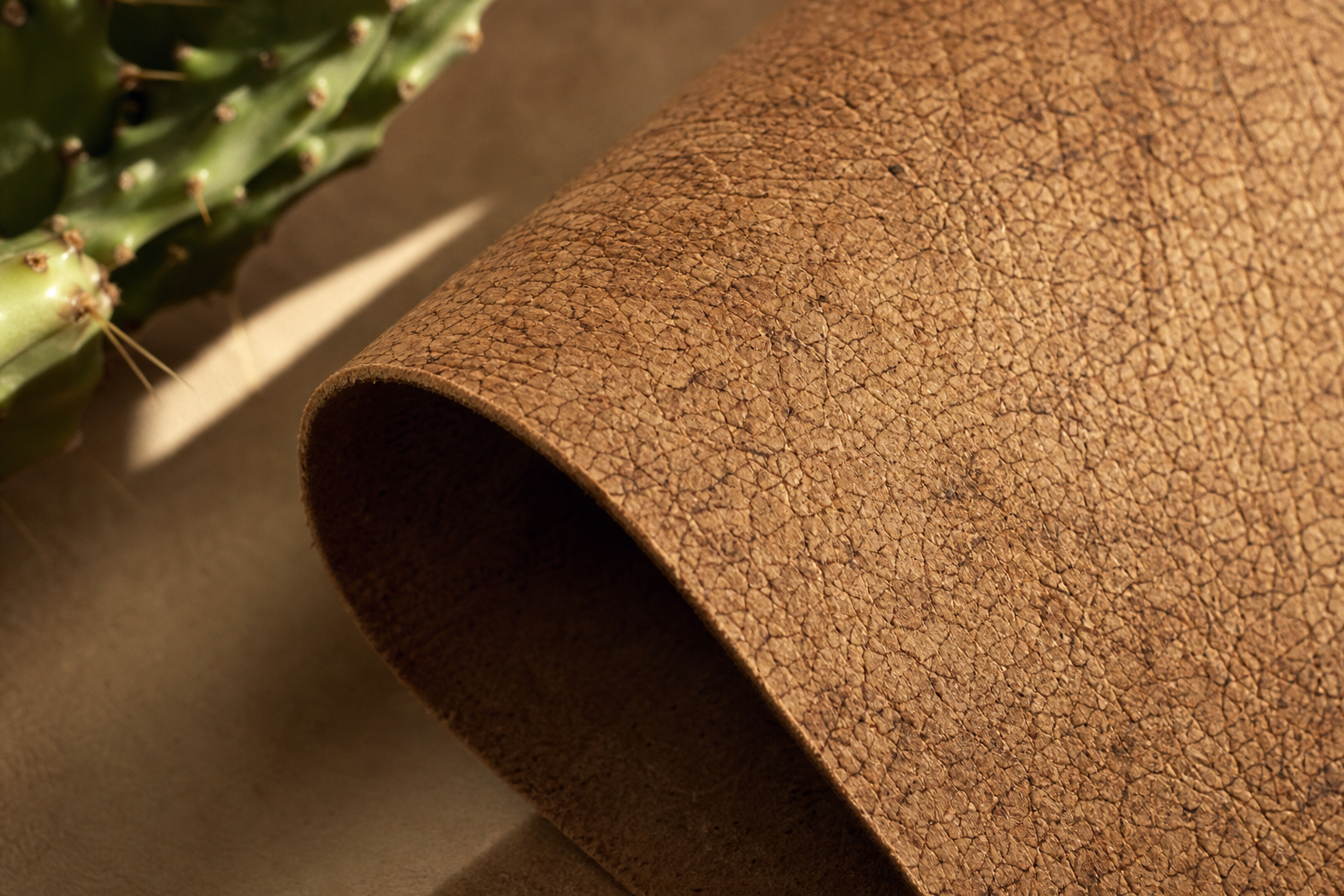
Look closer
Texture tells you a lot.
Good alternatives should feel intentional. Cork, canvas, cactus-style materials, recycled textiles, and technical fabrics each have their own strengths; the goal is not always to imitate leather.
How to check a garment.
Use this when the product page looks good but the material details are thin.
Start with the tag
Read shell, lining, trim, fill, and sole. Do not stop at the largest material percentage.
Search the product page
Look for material, care, sustainability, FAQ, and vegan language. A serious brand usually gives specifics.
Watch blended language
Wool blend, silk blend, leather trim, genuine suede, shearling, down fill, and horn buttons can appear in small type.
Ask when it matters
For expensive items, message the brand. Ask directly whether any leather, wool, silk, down, animal glue, horn, shell, pearl, or animal-derived trim is used.
Latest
Latest on this topic.
New notes, finds, and updates connected to this guide.

Oct 13, 2026
Men’s Vegan Accessories: Familiar Brands and Specialist Options
Shop men's vegan accessories by category: non-silk ties, leather-look belts, wallets, bags, and straps from familiar brands and vegan specialists.
Read post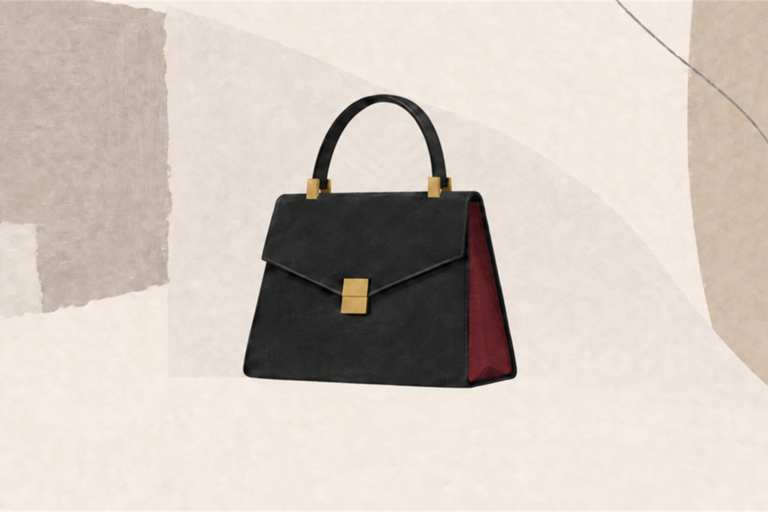
Sep 17, 2026
Vegan Handbags: How to Choose One That Looks Polished and Lasts
Compare vegan handbags by shape, finish, hardware, weight, materials, construction, care, warranty, and return terms before you buy.
Read post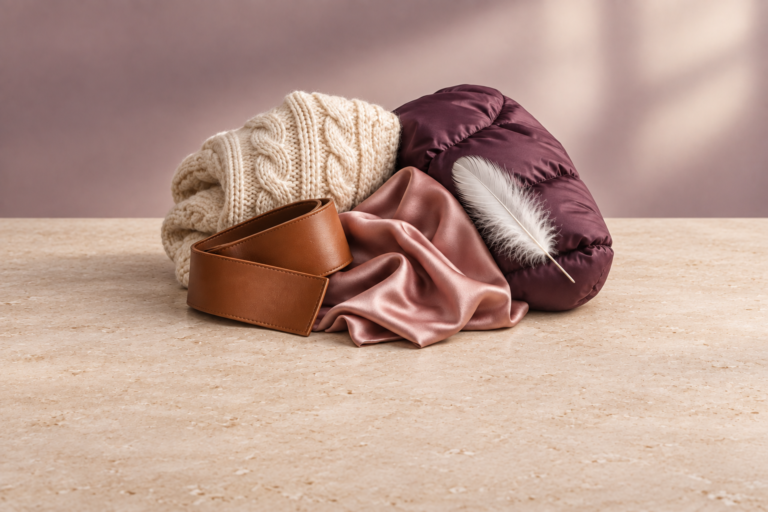
Sep 10, 2026
Leather, Wool, Silk, and Down: What Vegan Shoppers Need to Know
Leather, wool, silk, and down are animal-derived. Learn which related terms to flag, how to check every product component, what common certifications…
Read postGet the good vegan stuff.
Subscribe for new posts, seasonal guides, smart finds, and a free copy of The Things Nobody Tells You.
Read next.
Stay in the Wear room and follow the next useful door.
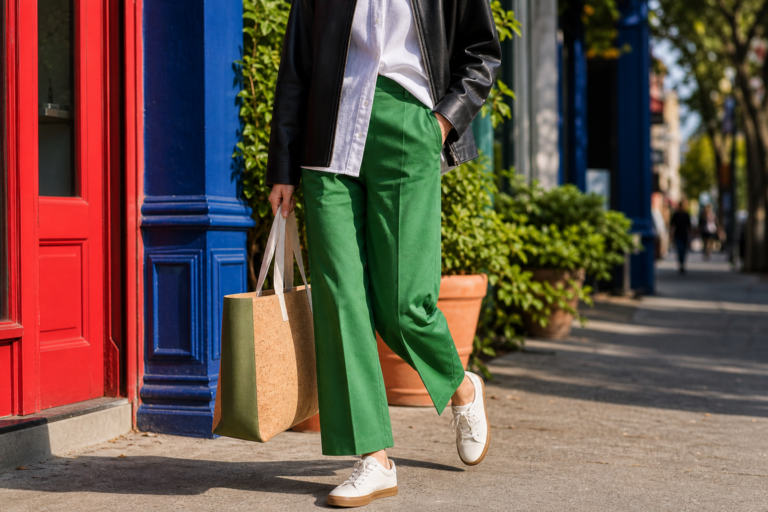
Wear
Materials, shoes, clothing, accessories, and vegan fashion worth wearing.
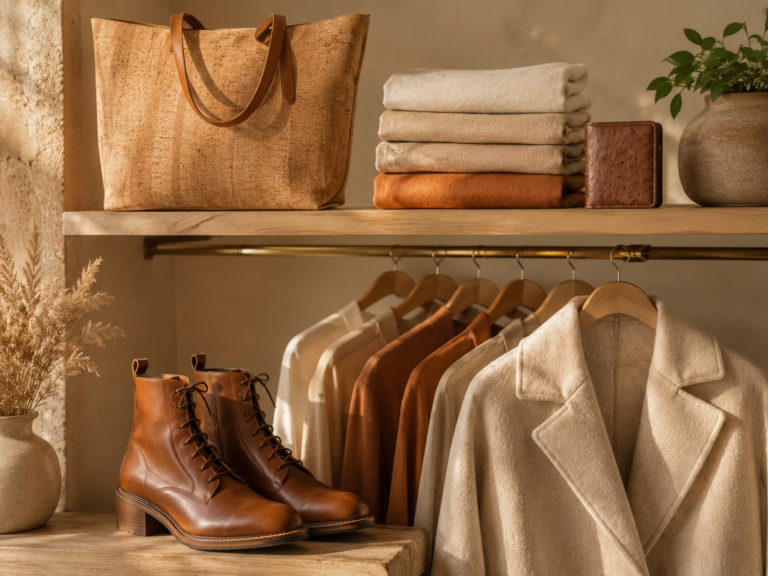
Shoes That Last
A vegan shoe guide for materials, construction, weatherproofing, and choosing footwear by actual use.
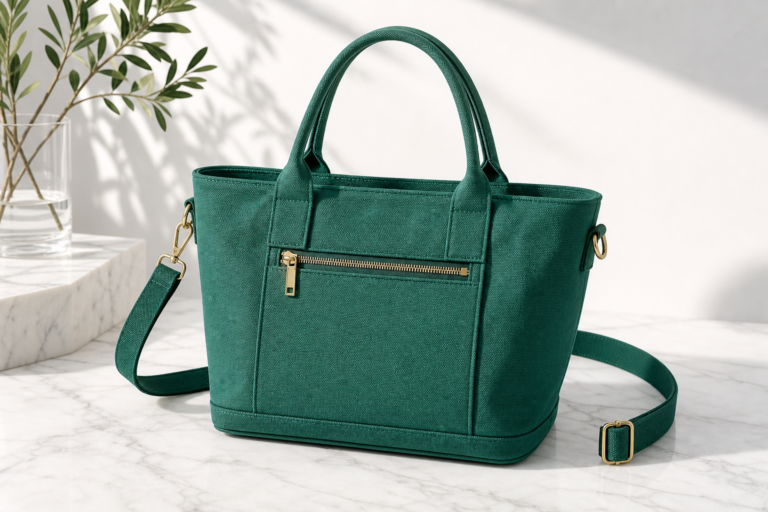
Bags, Belts, and the Details
A vegan accessories guide for bags, belts, wallets, patches, trims, hardware, and better animal-free materials.
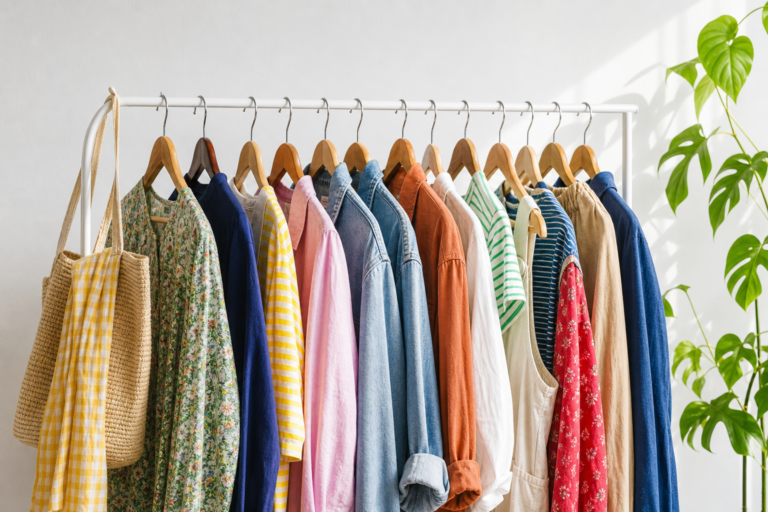
Secondhand and What You Own
A calm guide to secondhand leather, wool, what you already own, signaling, demand, and practical vegan closet decisions.
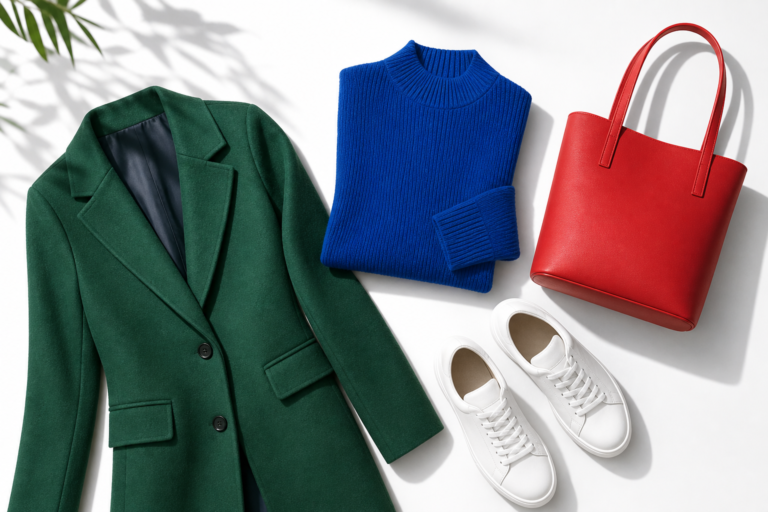
The Edit: Fashion
A vegan fashion buying standard for bags, shoes, outerwear, knits, accessories, and investment pieces.