
Wear
Find vegan shoes you can actually wear.
The best vegan shoe is not always marketed as vegan. Sometimes it is an accidentally animal-free shoe from an ordinary brand that already knows how to make shoes comfortable, polished, and right for the occasion.
The vegan label is not enough.
Bad vegan shoes usually fail for ordinary shoe reasons: thin uppers, weak bonding, flimsy soles, poor stitching, no structure, sweaty linings, and materials that crack instead of flex. The vegan claim is not the problem. Bad shoe construction is.
A good vegan shoe needs the same things any good shoe needs: a durable upper, a stable sole, a comfortable lining, decent stitching or bonding, and a shape that matches the use. It also has to look right. A shoe can be vegan and still be wrong for a wedding, office, long walk, interview, dinner, or rainy day.
Some brands built around vegan ethics care deeply about materials but do not always understand fit, arch support, dress codes, or the difference between a shoe that looks good in photos and a shoe you can wear for six hours. Sometimes the better answer is a mainstream or lower-priced brand whose shoes are synthetic by default and happen to be animal-free.
Accidentally vegan can be the right answer.
Many non-leather shoes are not advertised as vegan. Lower-priced dress shoes, canvas sneakers, mesh trainers, rubber rain boots, fabric sandals, and synthetic evening shoes may use no animal materials because leather would make the product more expensive.
That does not automatically make them good. It means they are worth checking. Read the upper, lining, sock, and sole materials. Then judge the shoe the normal way: comfort, shape, finish, traction, heel height, flex, return policy, and whether it belongs with the clothes you need it for.
This is especially useful for dress wear. A vegan-branded shoe can look too casual, too clunky, or too obviously synthetic for a formal outfit. An accidentally vegan satin pump, mesh flat, fabric loafer, or synthetic dress shoe may look more appropriate than a product sold mainly on the vegan claim.
Weatherproof without beeswax.
Traditional leather care often leans on beeswax or animal-derived conditioners. Vegan footwear needs a different care kit: a material-appropriate brush or cloth, a synthetic waterproofing spray when suitable, and regular cleaning before dirt becomes damage.
Check the brand’s care guidance before spraying anything. Some coated, knit, cork, or plant-based materials need different treatment, and a waterproofing product that helps one shoe can stain another.
What holds up.
Before buying, check the parts that decide whether the shoe survives real life.
Upper
Look for flexible material with convincing texture and enough body to keep its shape. If the upper looks papery, plasticky, or already creased in product photos, trust that warning.
Sole
A decent outsole matters more than a good product photo. Check traction, thickness, bend, heel stability, and whether the shoe looks built for the surface you will actually walk on.
Construction
Stitching, reinforced stress points, good bonding, a secure heel, and replaceable laces are small signs that the shoe was built to be worn, not just photographed.
Lining and insole
Leather can hide inside the shoe. Check lining, sock liner, insole, and footbed materials, not just the outside. If the page only says synthetic upper, the rest is still unknown.
Comfort signals
Look for reviews that mention long wear, toe box, rubbing, arch support, heel slip, breathability, and whether the shoe needed breaking in. Vegan does not help if the shoe hurts.
Brand clarity
A good brand tells you what the shoe is made from and how to care for it. Specific material information is stronger than a vague vegan claim.
Look closer
The construction matters.
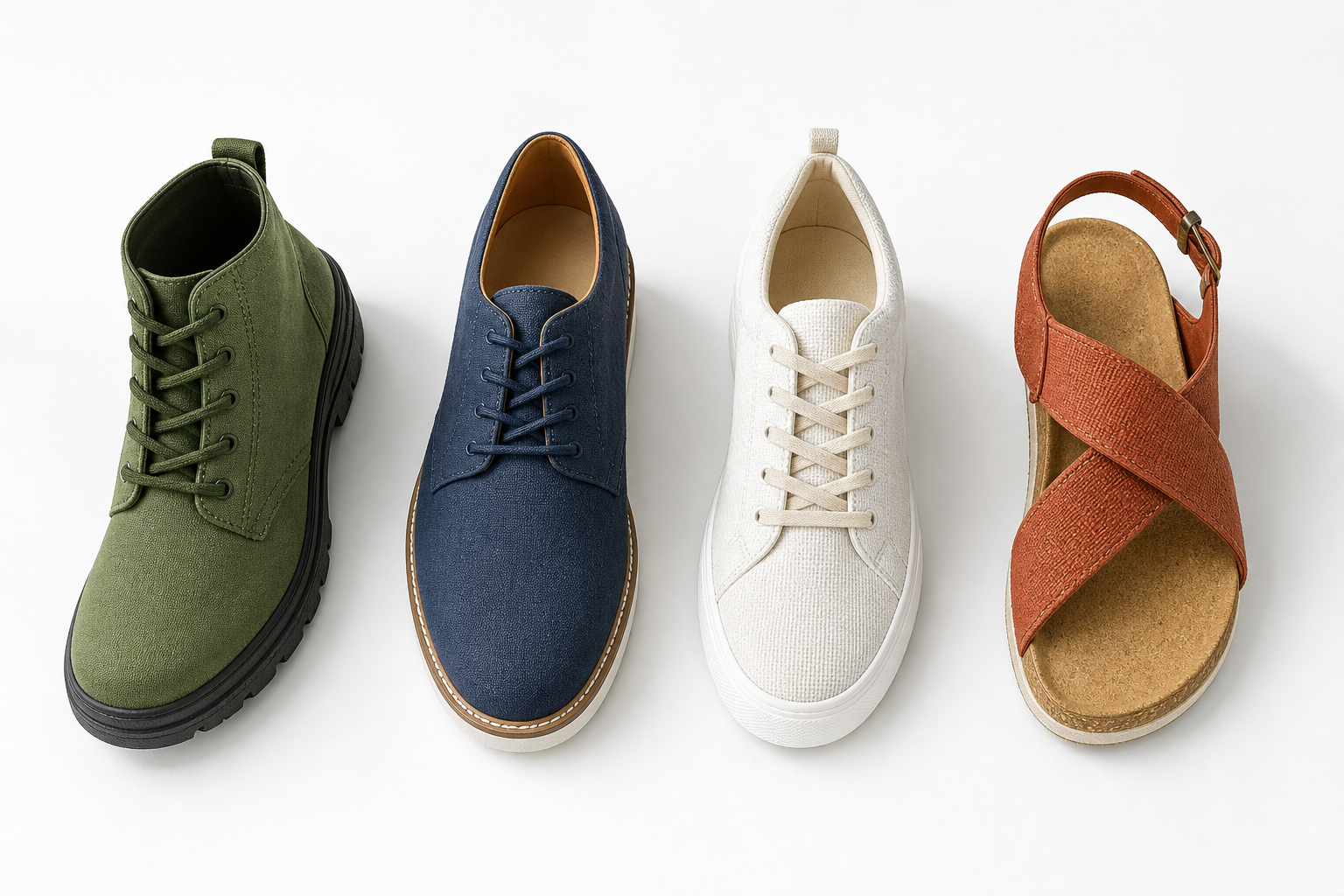
A vegan shoe has to handle walking, bending, weather, and the dress code. The material claim matters, but so do the sole, lining, stitching, shape, and care.
How to check the whole shoe.
A vegan shoe check has to look at the whole shoe, not just the upper. The outside can be animal-free while the lining, insole, sole, trim, or glue claim is still unclear.
Upper
The outside material may be labeled synthetic, textile, canvas, mesh, recycled polyester, microfiber, cork, cactus, apple, or vegan leather. If it says leather, suede, nubuck, or genuine leather, it is not vegan.
Lining
Leather can hide inside the shoe even when the outside is synthetic. Look for textile lining, synthetic lining, recycled lining, unlined construction, or an explicit vegan claim.
Insole and sock liner
The footbed can use leather, wool felt, or animal-derived materials. Check the insole material separately when the brand lists it. If it does not list it, treat the answer as unknown.
Sole
Rubber and synthetic soles are common, but leather soles exist on dress shoes. Check sole material, heel stack, welt, and any decorative trim.
Glue and brand claim
Glue is hard to verify from a tag. For expensive shoes, look for an explicit vegan shoe claim from the brand or ask customer service whether any animal-derived glue or components are used.
Accidentally vegan clue
If every listed component is synthetic, textile, rubber, or man-made, the shoe may be vegan even if the brand never says vegan. That is common in lower-priced shoes, but still check comfort and construction.
Shoe materials
Read the shoe symbols.
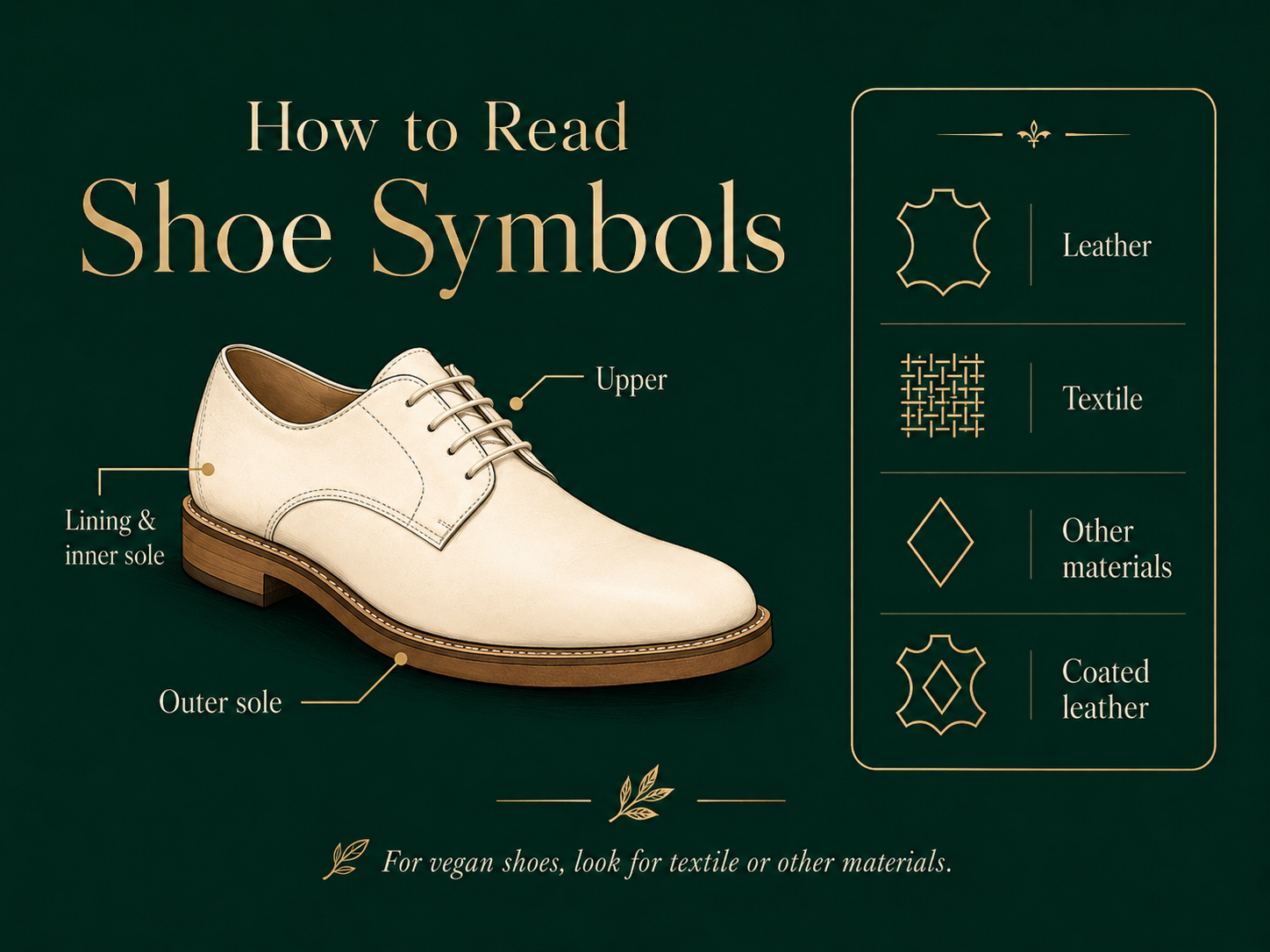
For shoes, the symbol panel matters because the upper, lining, inner sole, and outer sole can all be different. Leather hide and coated leather are the avoid signs; textile, synthetic, and other materials need a closer read.
Choose by occasion.
The best vegan shoe depends on where it has to go.
Everyday walking
Prioritize comfort, sole grip, flexible uppers, cushioning, breathability, and a lining that will not make your feet miserable after an hour.
Work or dress shoes
Prioritize shape, finish, heel stability, toe shape, and whether the material looks polished enough for the setting. A vegan shoe that looks too casual is not the right dress shoe.
Formal events
Look for satin, textile, mesh, synthetic, or embellished shoes that match the dress code. Many evening shoes are accidentally animal-free because they are fabric or synthetic, but check the sole and lining.
Rain and winter
Prioritize water resistance, tread, insulation if needed, and care products that are vegan and compatible with the material.
Athletic shoes
Prioritize performance first: fit, support, sole, breathability, and brand material disclosures for glue, uppers, and linings.
Latest
Latest on this topic.
New notes, finds, and updates connected to this guide.

Oct 13, 2026
Men’s Vegan Accessories: Familiar Brands and Specialist Options
Shop men's vegan accessories by category: non-silk ties, leather-look belts, wallets, bags, and straps from familiar brands and vegan specialists.
Read post
Sep 17, 2026
Vegan Handbags: How to Choose One That Looks Polished and Lasts
Compare vegan handbags by shape, finish, hardware, weight, materials, construction, care, warranty, and return terms before you buy.
Read post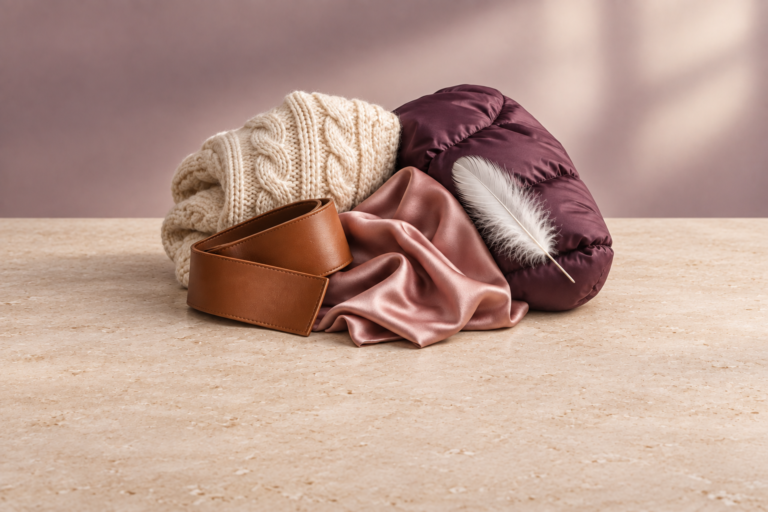
Sep 10, 2026
Leather, Wool, Silk, and Down: What Vegan Shoppers Need to Know
Leather, wool, silk, and down are animal-derived. Learn which related terms to flag, how to check every product component, what common certifications…
Read postGet the good vegan stuff.
Subscribe for new posts, seasonal guides, smart finds, and a free copy of The Things Nobody Tells You.
Read next.
Stay in the Wear room and follow the next useful door.
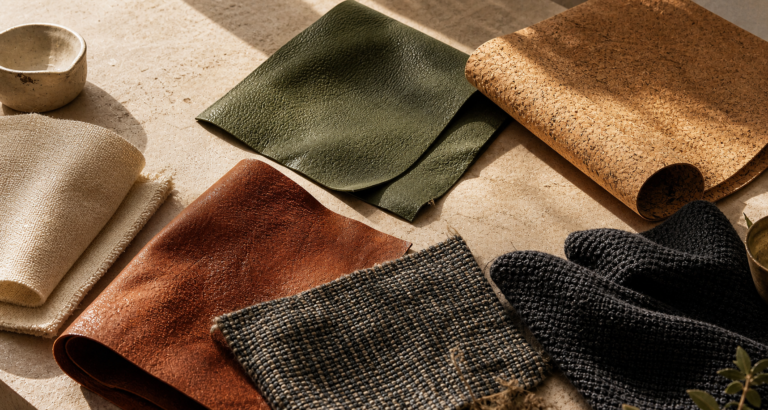
The Materials Truth
A vegan materials guide to leather, wool, silk, down, and the animal-free alternatives that actually perform.
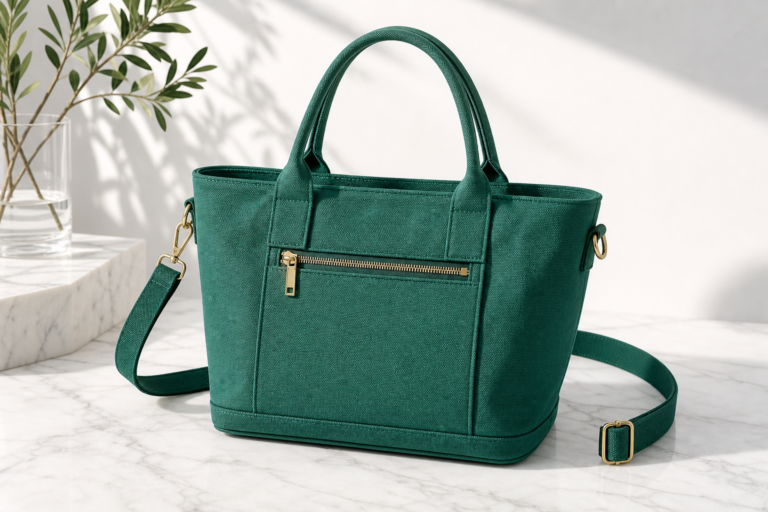
Bags, Belts, and the Details
A vegan accessories guide for bags, belts, wallets, patches, trims, hardware, and better animal-free materials.
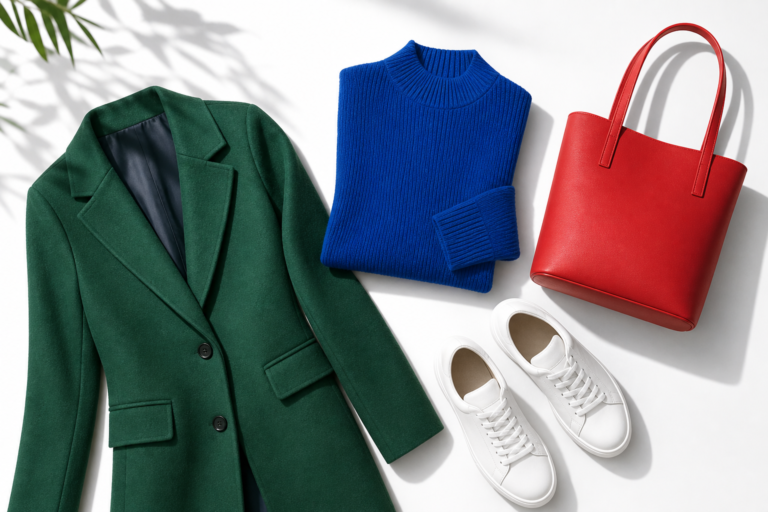
The Edit: Fashion
A vegan fashion buying standard for bags, shoes, outerwear, knits, accessories, and investment pieces.
Wear
Materials, shoes, clothing, accessories, and vegan fashion worth wearing.