
Wear
Decide what to keep, wear, or replace.
Secondhand leather and wool are not a simple yes or no for every vegan. The point is to make a clear standard without turning your closet into a courtroom.
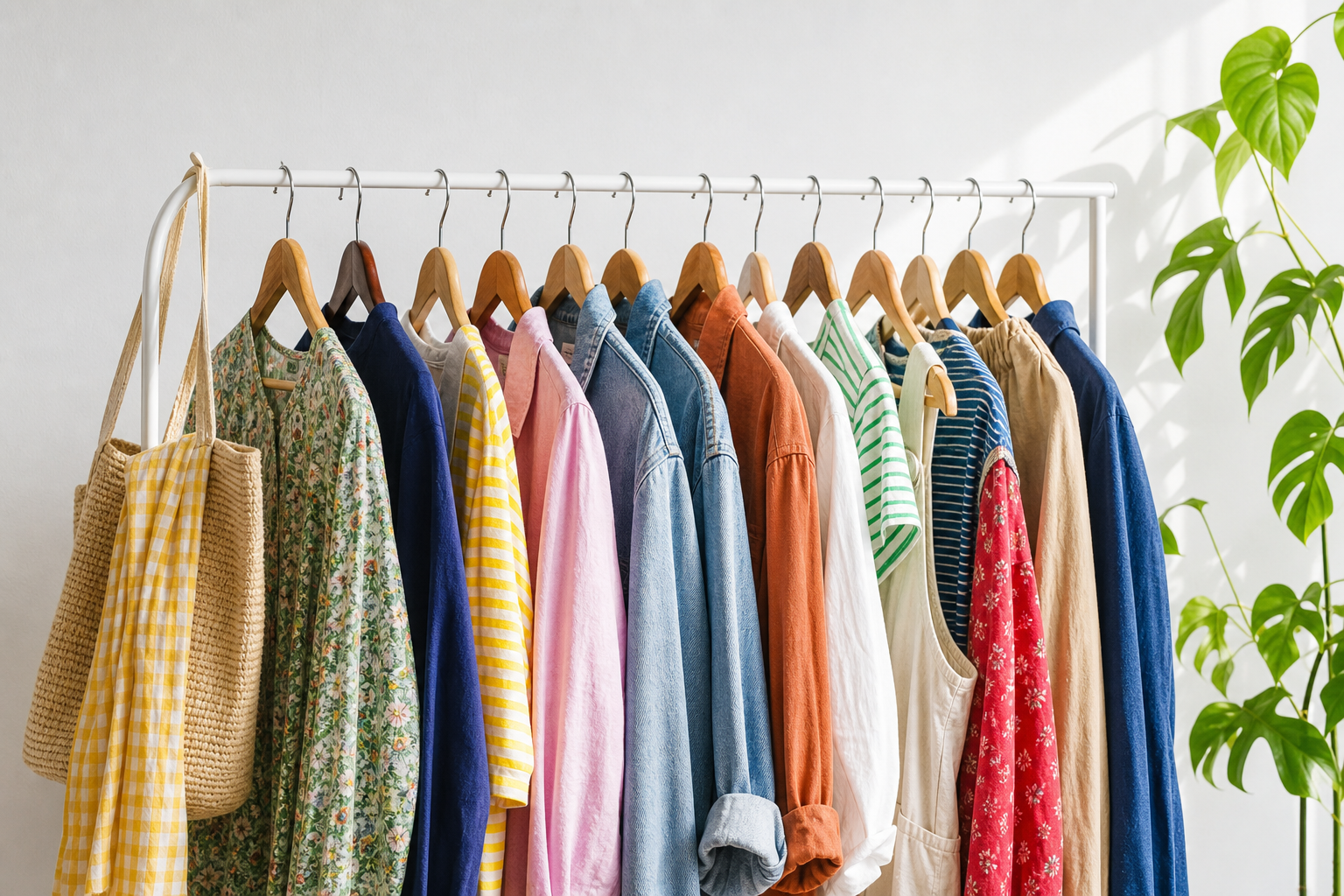
This is a real gray area.
Some vegans avoid all leather, wool, silk, and down, including secondhand. Some keep what they owned before going vegan. Some buy secondhand animal materials because they are not creating new demand. Some draw different lines by item.
There is not one clean answer that settles every closet. The point is to understand the tradeoff and make a decision you can live with consistently.
It is also okay for your answer to change by category. You might keep an old wool coat until it wears out, avoid buying secondhand leather bags, and choose synthetic dress shoes for formal events. A standard can be specific without becoming a performance.
The two honest arguments.
The case for secondhand is that the item already exists. Buying it does not send the same production signal as buying new leather or wool, and using what exists can reduce waste.
The case against secondhand is that wearing animal materials can still normalize them, keep them desirable, and make your own line feel blurry. For some people, that is reason enough to avoid them.
A workable standard.
Use this when deciding what to keep, donate, sell, wear, or avoid.
What you already own
If you owned it before going vegan, you do not have to purge your closet to prove anything. Decide whether wearing it still feels right, useful, or uncomfortable.
Buying secondhand
If you buy secondhand animal materials, be honest about why: durability, cost, waste reduction, or lack of a good alternative. Do not pretend the material stops being animal-derived.
Highly visible pieces
A leather jacket, wool coat, or designer bag sends a different signal than a hidden lining or old belt. Visibility may matter to your decision.
Replace when ready
If an item still serves you and replacing it would be wasteful or expensive, you can plan a better replacement instead of rushing into something worse.
No purity performance
Do not turn the closet into a purity contest. Make a standard, follow it, and update it when you learn more.
Look closer
Use, mend, decide.
A clear closet standard leaves room for what already exists: keeping, repairing, replacing later, or drawing a clean line when a piece no longer feels right.
Latest
Latest on this topic.
New notes, finds, and updates connected to this guide.

Oct 13, 2026
Men’s Vegan Accessories: Familiar Brands and Specialist Options
Shop men's vegan accessories by category: non-silk ties, leather-look belts, wallets, bags, and straps from familiar brands and vegan specialists.
Read post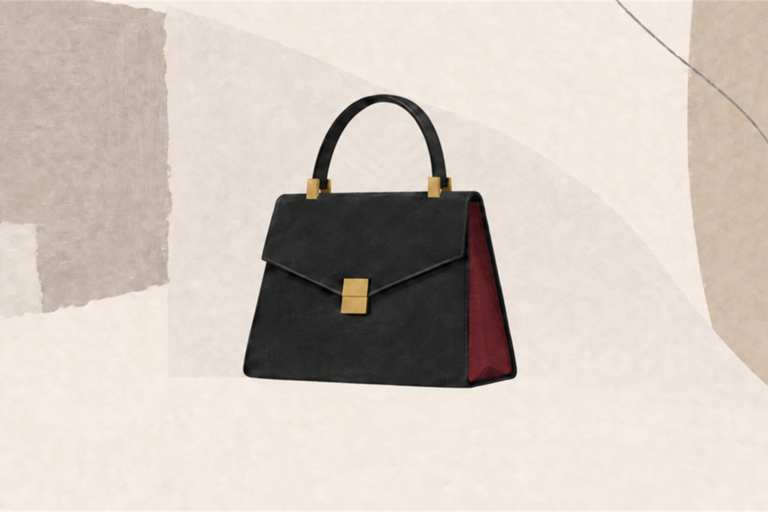
Sep 17, 2026
Vegan Handbags: How to Choose One That Looks Polished and Lasts
Compare vegan handbags by shape, finish, hardware, weight, materials, construction, care, warranty, and return terms before you buy.
Read post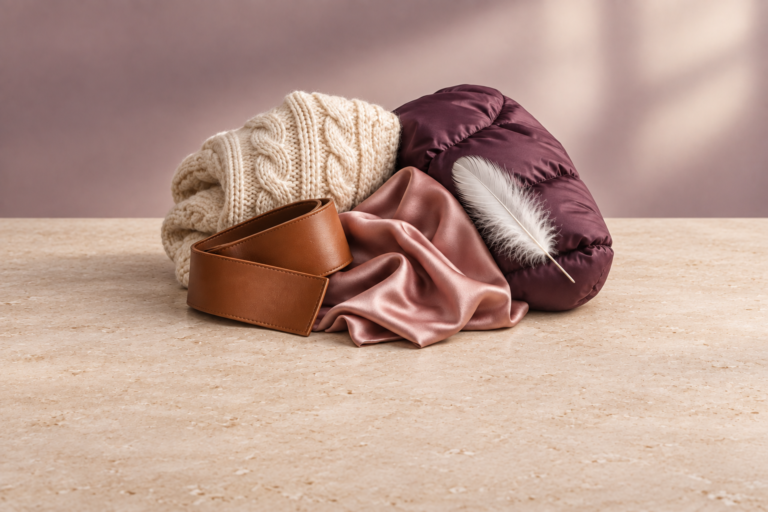
Sep 10, 2026
Leather, Wool, Silk, and Down: What Vegan Shoppers Need to Know
Leather, wool, silk, and down are animal-derived. Learn which related terms to flag, how to check every product component, what common certifications…
Read postGet the good vegan stuff.
Subscribe for new posts, seasonal guides, smart finds, and a free copy of The Things Nobody Tells You.
Read next.
Stay in the Wear room and follow the next useful door.
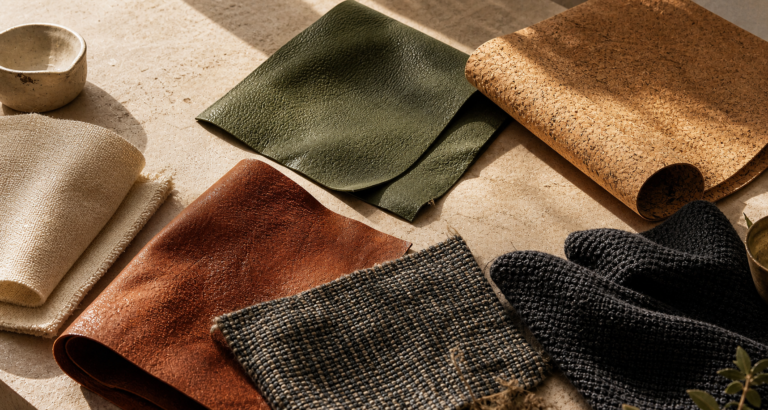
The Materials Truth
A vegan materials guide to leather, wool, silk, down, and the animal-free alternatives that actually perform.
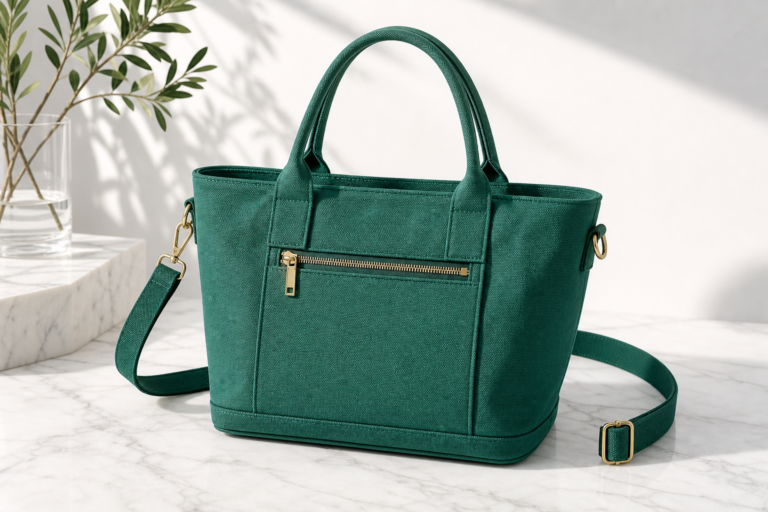
Bags, Belts, and the Details
A vegan accessories guide for bags, belts, wallets, patches, trims, hardware, and better animal-free materials.
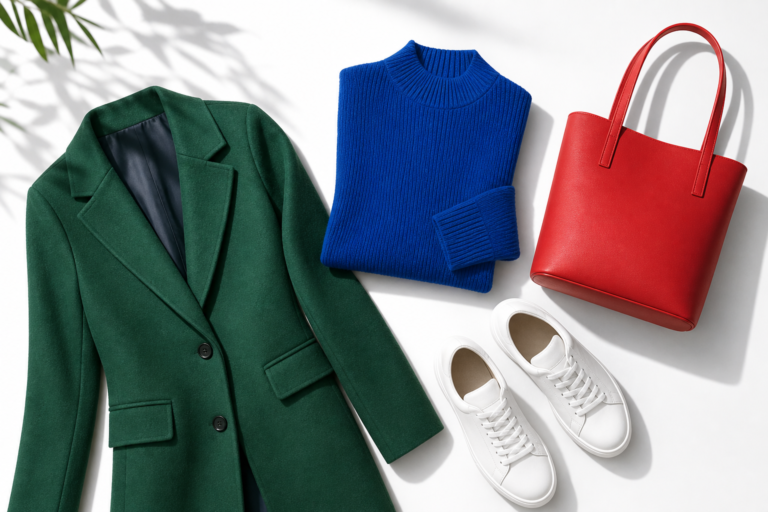
The Edit: Fashion
A vegan fashion buying standard for bags, shoes, outerwear, knits, accessories, and investment pieces.

Wear
Materials, shoes, clothing, accessories, and vegan fashion worth wearing.