
Eat
Bake by what the ingredient does.
Vegan baking works when you know what eggs or dairy were doing in the recipe: lifting, binding, adding fat, adding moisture, browning, tenderizing, or helping the bake set.
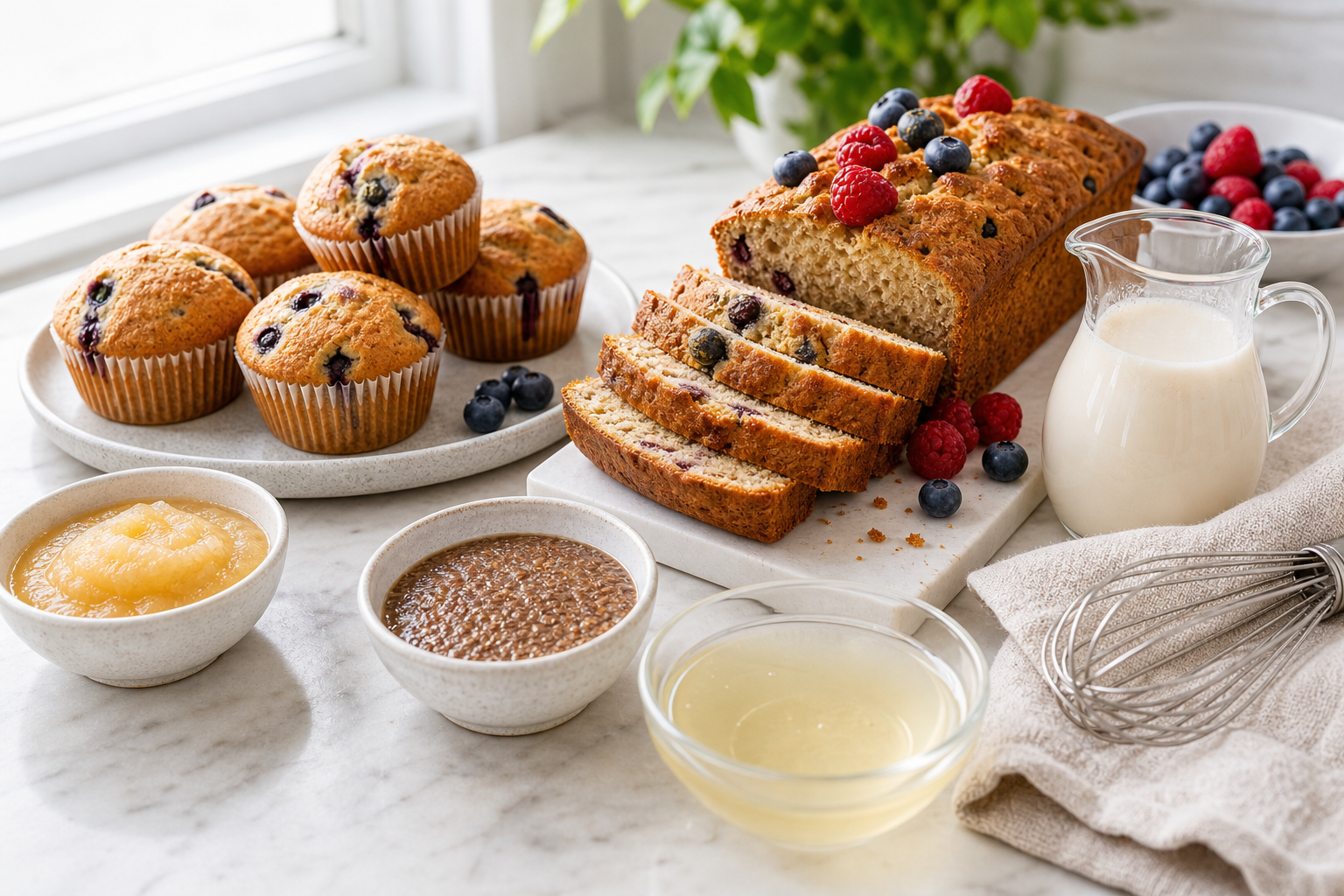
There is no universal egg swap.
Eggs do different jobs in different bakes. In a cake, they may help lift and set the crumb. In cookies, they may bind and add moisture. In custard, they thicken. In enriched dough, they add fat and tenderness.
That is why one vegan egg substitute can be perfect in one recipe and wrong in another. A flax egg can help a muffin hold together, but it will not make a meringue. Aquafaba can whip beautifully, but it will not give a cookie the same chew as a yolk. Start with the job, then choose the swap.
If a bake fails, name the failure before changing three things at once. Gummy, dry, dense, pale, crumbly, and sunken all point to different fixes.
Dairy is usually easier than eggs.
Plant milks, vegan butter, coconut milk, cashew cream, neutral oil, and cultured vegan yogurt can handle most dairy jobs. The trick is choosing by fat, flavor, protein, and acidity instead of grabbing whatever carton is open.
Soy milk is useful when protein helps structure. Oat milk is steady and mild. Coconut milk brings fat but also flavor. Vegan butter matters most when the recipe depends on solid fat, creaming, lamination, or a buttery taste.
The baking jobs.
Use this before changing a recipe. Eggs and dairy do different jobs in different bakes, so the best substitute depends on whether you need binding, lift, fat, tenderness, gloss, or browning.
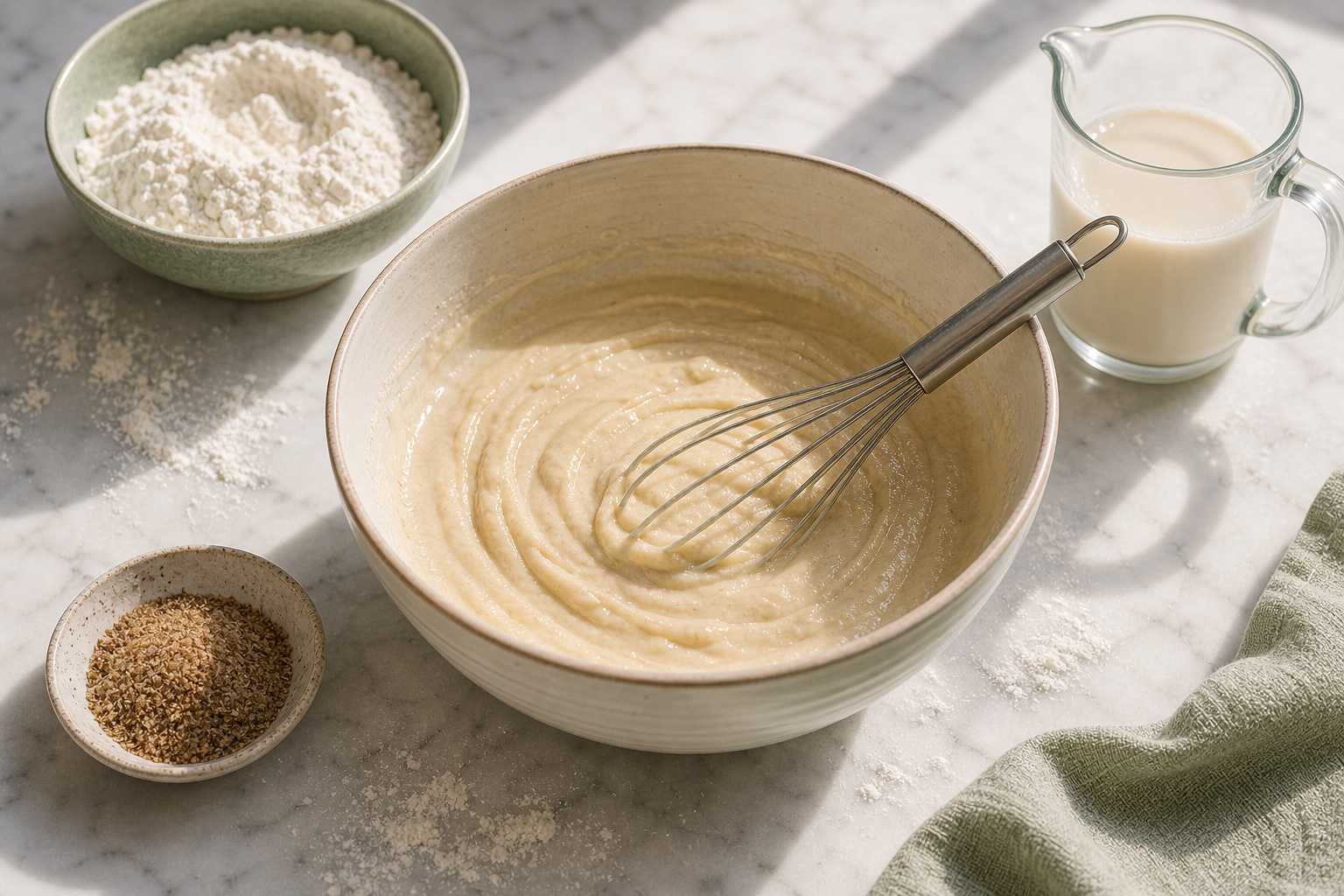
Bind
Flax, chia, applesauce, mashed banana, silken tofu, or commercial egg replacer can help hold batter together. Choose carefully when flavor matters; banana and applesauce are not invisible in a delicate bake.
Lift
Aquafaba, baking powder, baking soda plus acid, and gentle mixing help create air. A dense binder will not solve a lift problem.
Tenderize
Oil, vegan butter, applesauce, yogurt, and plant milk can make crumb softer. Too much can make a bake gummy, so measure before improvising.
Brown
Sugar, fat, enough heat, and sometimes a brush of plant milk help color. Vegan bakes can look pale if the surface has no sugar or fat.
Set
Cornstarch, arrowroot, agar, silken tofu, cashew cream, or careful bake time can help fillings and custards hold. Cooling time matters too.
Look closer
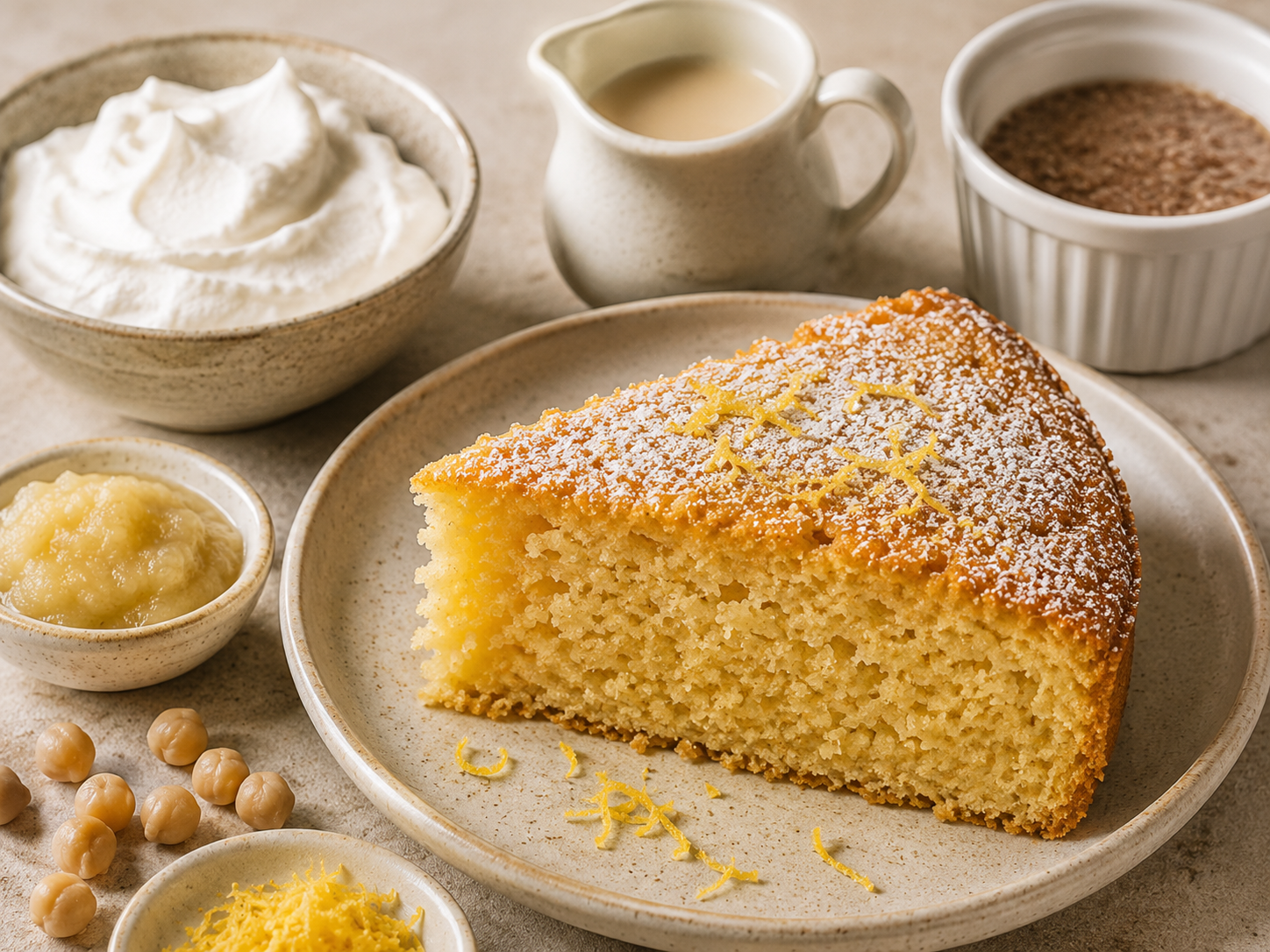
Start with the texture.
A vegan bake usually fails for a specific reason: not enough lift, too much wet binder, too little fat, weak structure, or not enough time to cool. Name the texture before changing everything.
Texture fixes.
When a vegan bake goes wrong, name the texture before changing the recipe again.
Gummy
Too much wet binder, underbaking, too little structure, or cutting before fully cool can all make a bake gummy. Let the bake cool before deciding it failed.
Dry
Too little fat or liquid, overbaking, too much flour, or a swap that removed richness without replacing it. Check measuring and bake time first.
Dense
Not enough lift, overmixing, old leavener, too heavy a binder, or a batter that sat too long before baking. Fresh baking powder matters.
Pale
The surface may need sugar, fat, plant milk, enough heat, or more time. Vegan baking can brown beautifully, but it needs the right conditions.
Latest
Latest on this topic.
New notes, finds, and updates connected to this guide.

Sep 24, 2026
What to Order at Starbucks When You’re Vegan
Five current Starbucks drinks, one vegan food pick, the exact changes for a nondairy mocha, and the dairy and honey to watch…
Read post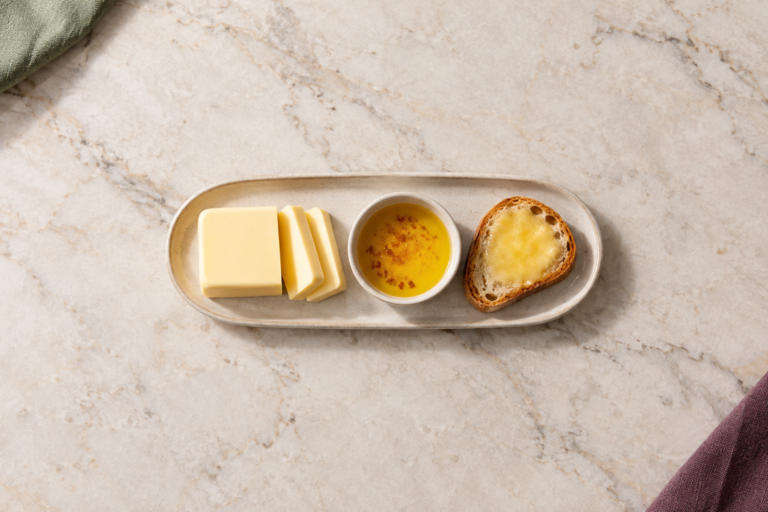
Sep 22, 2026
How to Choose Vegan Butter for Baking, Browning, and Spreading
Compare vegan butter sticks, blocks, and tubs for cookies, cakes, frosting, pie dough, browning, toast, and everyday cooking.
Read post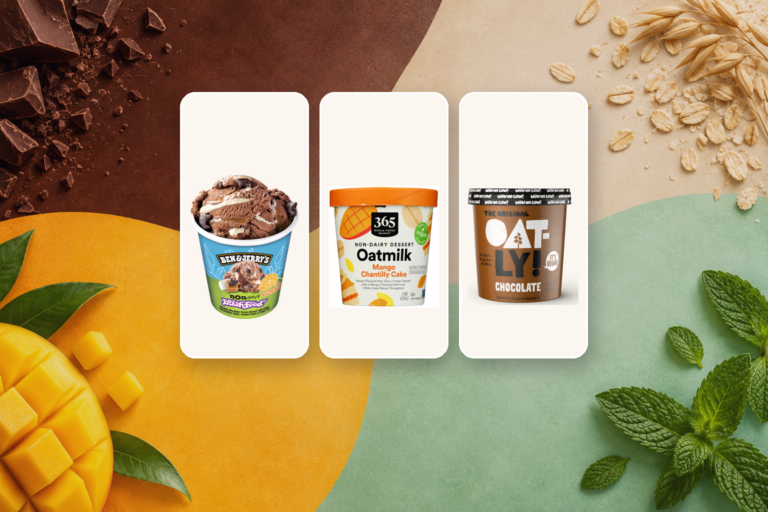
Sep 15, 2026
8 Vegan Ice Cream Pints for People Who Care About Texture
Compare eight current vegan ice cream pints by base feel, scoopability, mix-in texture, chip size, availability, and the drawbacks worth knowing.
Read postGet the good vegan stuff.
Subscribe for new posts, seasonal guides, smart finds, and a free copy of The Things Nobody Tells You.
Read next.
Stay in the Eat room and follow the next useful door.
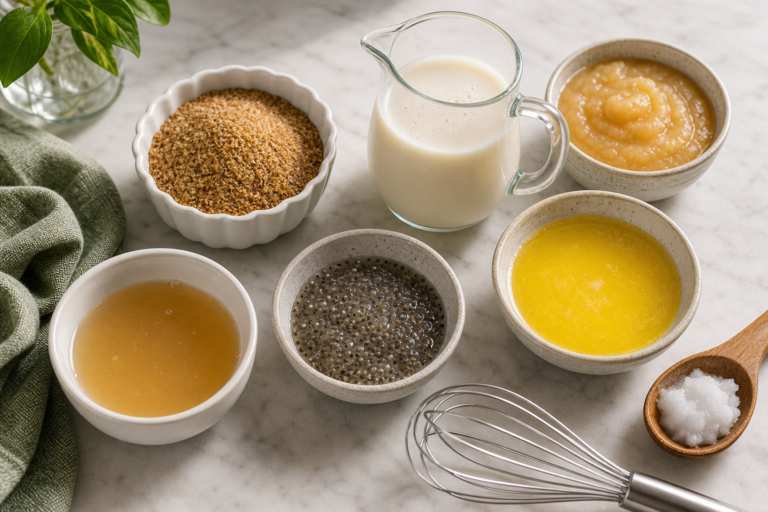
The Only Swaps You Need
Replace eggs, dairy, butter, and the rest by what they do, not what they are.
The Pantry We Cook From
Pantry staples for low-energy dinners, fast meals, and better backup plans.
Make It Taste Incredible
Fix flat food, dull tofu, bland beans, and dinners that need one more move.
Dinners You Do Not Need a Recipe For
A formula that turns whatever is on hand into a real meal.