
Eat
Swap by job, not by memory.
Eggs, dairy, butter, cream, cheese, and honey are easier to replace when you know what they were doing in the recipe.
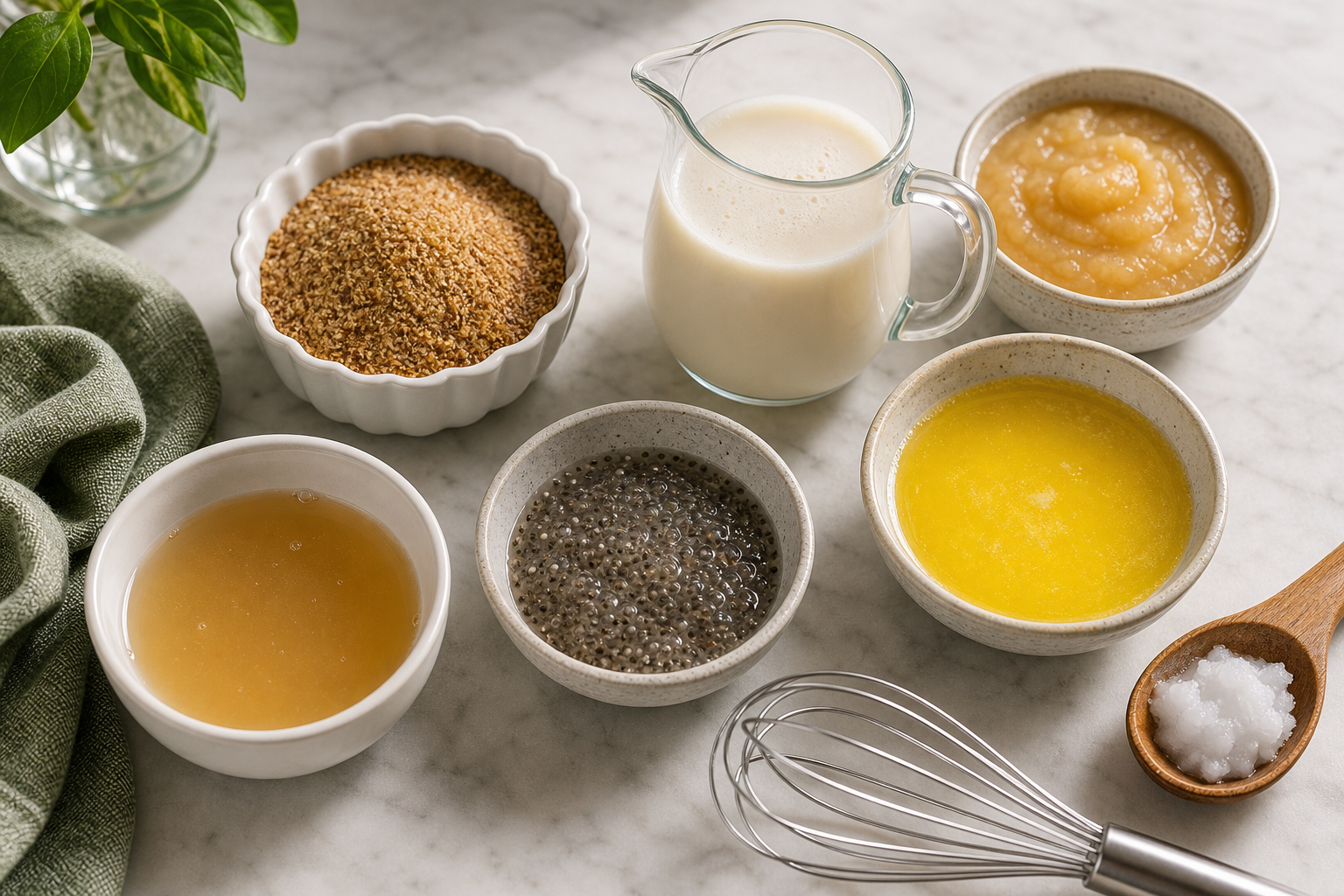
Think in jobs first.
A flax egg is not an omelet. Aquafaba is not butter. Coconut milk is not heavy cream in every context. A swap works when it matches the job.
Before you replace an ingredient, ask what it was doing: binding, lifting, enriching, browning, stretching, sweetening, tenderizing, or adding tang. That answer matters more than the animal product you started with.
That is why one swap can work beautifully in one recipe and fail in another. Applesauce can make a quick bread tender and moist; it will not make a cookie crisp. Coconut milk can make a curry rich; it can make a delicate sauce taste like coconut. Match the job first.
If a recipe fails after a swap, the problem is often not vegan cooking in general. It is a mismatch. A dense binder went into a recipe that needed air, a thin milk went where fat was doing the work, or a sweet substitute changed a savory dish. Choose a different swap for the job instead of assuming the recipe cannot work.
The quick swap table.
Start here, then adjust for the recipe in front of you.
Eggs for binding
Use flax, chia, mashed banana, applesauce, silken tofu, or commercial egg replacer depending on whether sweetness and tenderness matter. Binding is about holding together, not tasting eggy.
Eggs for lift
Aquafaba, baking powder, vinegar, and careful mixing do more than a dense binder ever will. Cakes and meringues need air; do not solve an air problem with a paste.
Milk and cream
Oat milk is steady, soy milk is protein-rich, coconut milk brings fat, and cashew cream gives sauces body. Choose by body, not by habit.
Butter
Use a vegan butter for baking when structure matters, olive oil when flavor helps, and refined coconut oil when firmness matters. Some recipes need water and emulsifiers; some just need fat.
Cheese
Decide whether you need melt, tang, salt, creaminess, or umami. One product rarely does every job, and homemade sauces often beat packaged shreds in pasta and bowls.
Honey
Maple, agave, date syrup, brown rice syrup, or simple syrup all work differently. Choose by flavor and thickness, especially in baking or cocktails.
Look closer
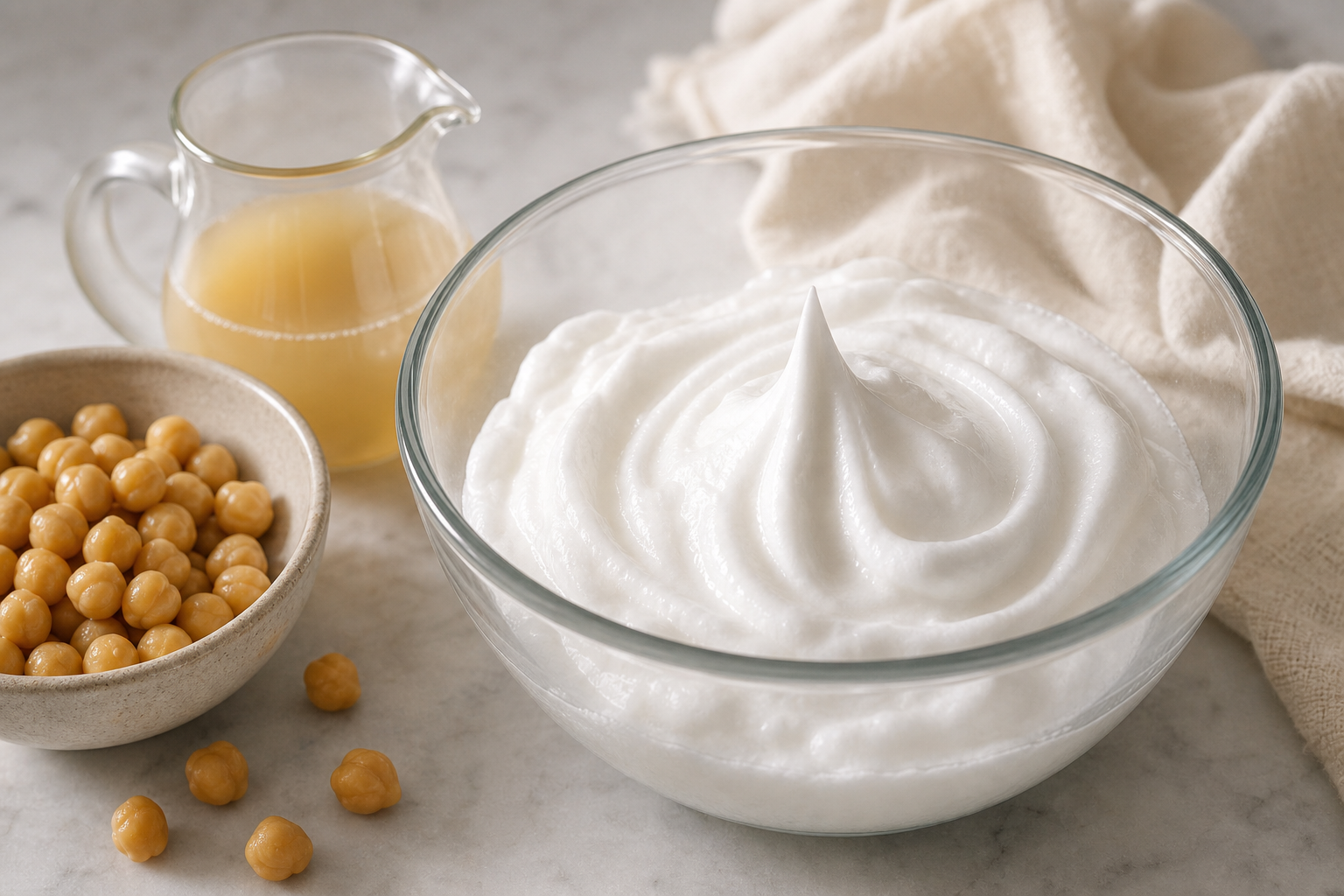
Aquafaba is the reminder.
Some of the best swaps are not trying to copy anything. Aquafaba does not taste like egg, and that is not the point. It traps air, whips glossy, and solves a texture problem. That is the best way to think about swaps: replace the function first, then adjust the flavor.
Ask what the ingredient was doing.
A quick check prevents most vegan baking and cooking disappointments.
Is it structural?
If the ingredient holds the recipe together, choose a binder or a commercial replacer, not a flavor substitute.
Is it about air?
If the recipe needs lift, think aquafaba, baking powder, vinegar, and technique. Dense binders can make airy recipes heavy.
Is it about fat?
If the ingredient makes food rich or tender, use oil, vegan butter, coconut milk, tahini, or cashew cream according to the texture you need.
Is it about flavor?
If the ingredient adds tang, salt, smoke, sweetness, or savoriness, replace that specific note rather than the whole animal product.
Latest
Latest on this topic.
New notes, finds, and updates connected to this guide.

Sep 24, 2026
What to Order at Starbucks When You’re Vegan
Five current Starbucks drinks, one vegan food pick, the exact changes for a nondairy mocha, and the dairy and honey to watch…
Read post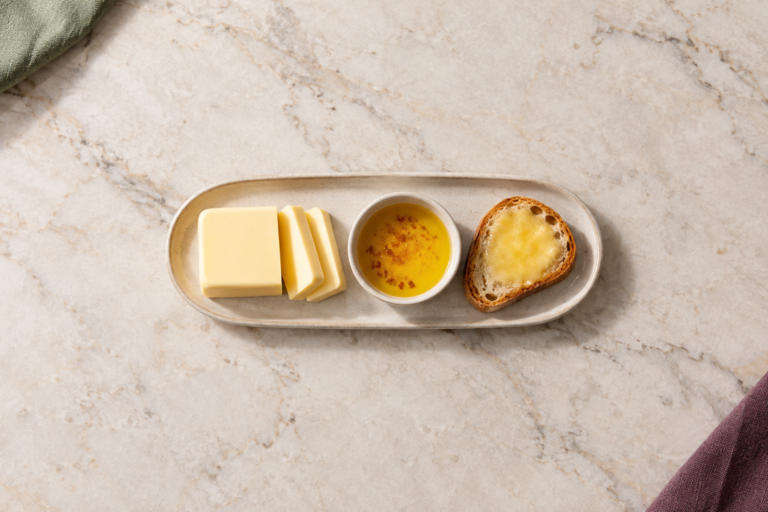
Sep 22, 2026
How to Choose Vegan Butter for Baking, Browning, and Spreading
Compare vegan butter sticks, blocks, and tubs for cookies, cakes, frosting, pie dough, browning, toast, and everyday cooking.
Read post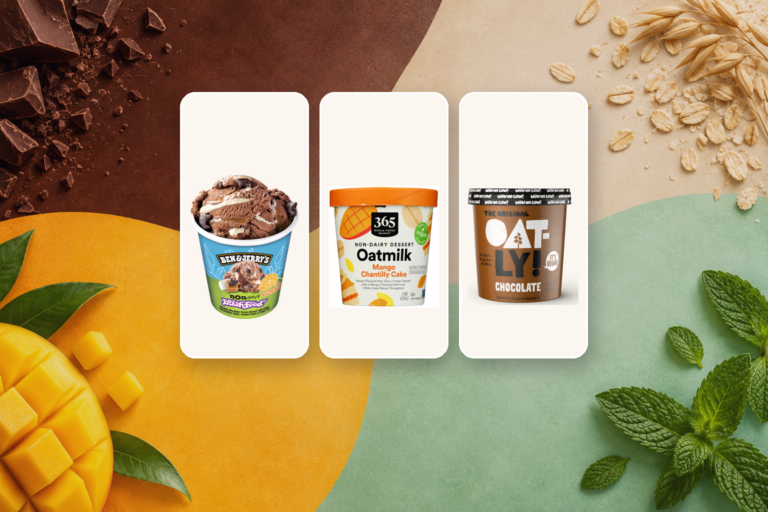
Sep 15, 2026
8 Vegan Ice Cream Pints for People Who Care About Texture
Compare eight current vegan ice cream pints by base feel, scoopability, mix-in texture, chip size, availability, and the drawbacks worth knowing.
Read postGet the good vegan stuff.
Subscribe for new posts, seasonal guides, smart finds, and a free copy of The Things Nobody Tells You.
Read next.
Stay in the Eat room and follow the next useful door.
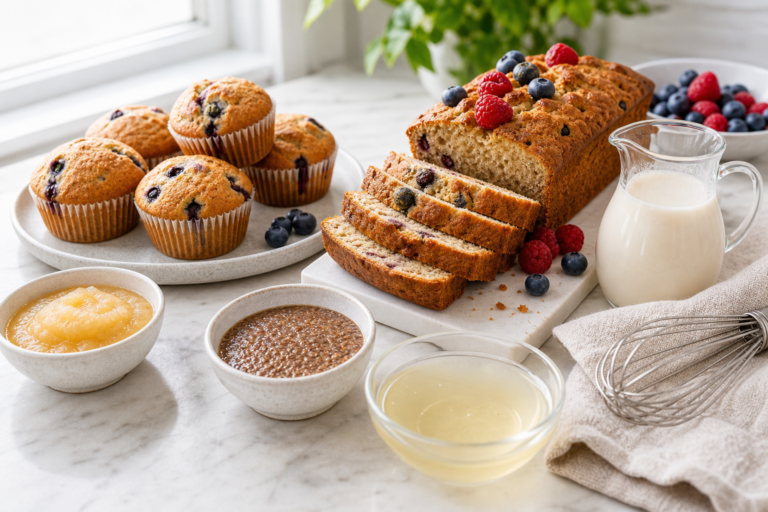
Baking Without Eggs and Dairy
Cakes, cookies, and bread that rise, bind, and brown.
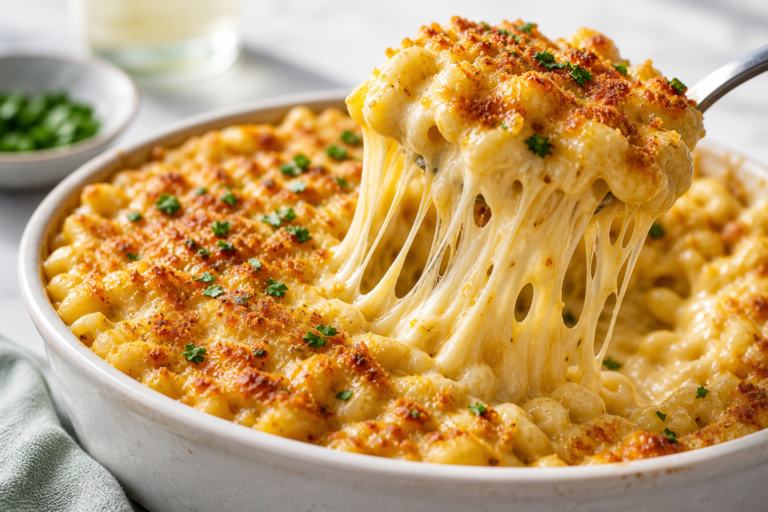
Vegan Cheese, Honestly
The honest landscape: what melts, what spreads, what to make, and when to skip it.
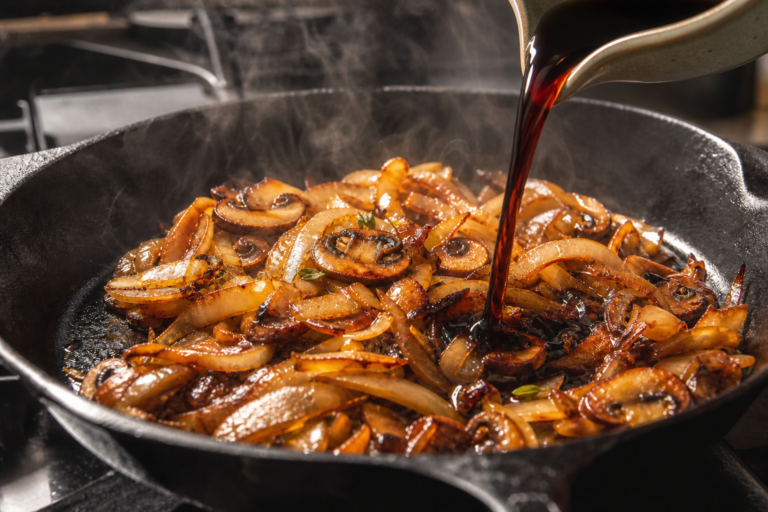
Make It Taste Incredible
Fix flat food, dull tofu, bland beans, and dinners that need one more move.
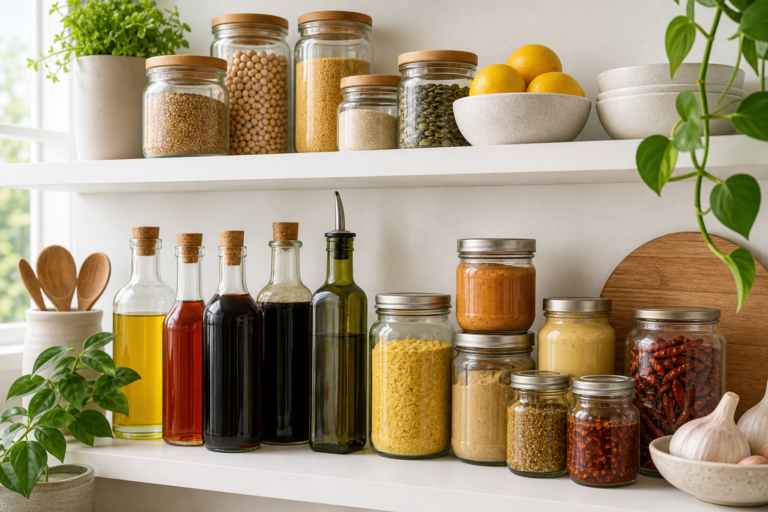
The Pantry We Cook From
Pantry staples for low-energy dinners, fast meals, and better backup plans.