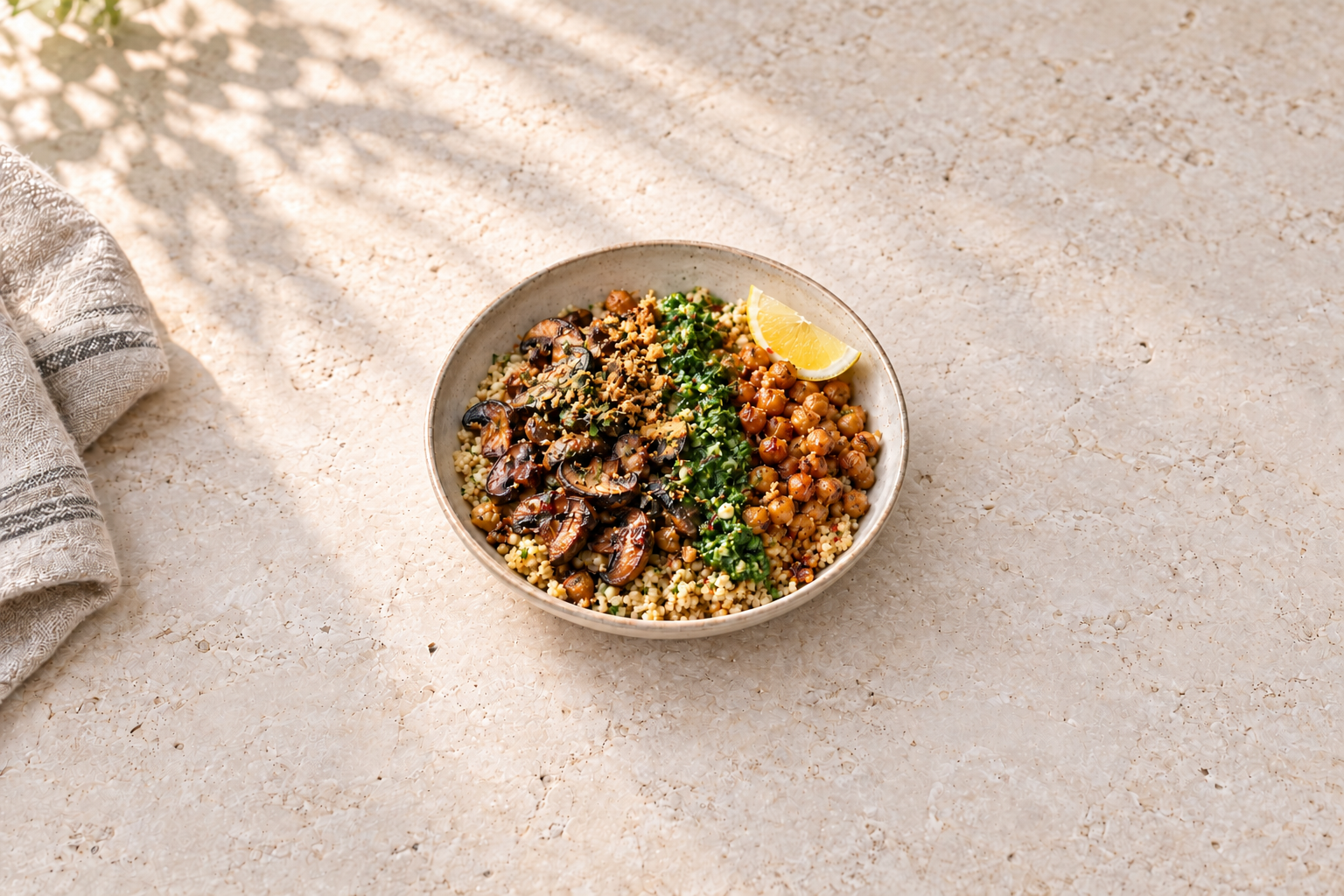
10 Vegan Flavor Hacks
Dinner can be cooked well and still feel unfinished. Mushrooms may be tender but pale, white beans may taste rich but dull, and a bowl of pasta may need something crisp rather than more sauce. The most useful vegan flavor hacks answer those different problems: build a better base, choose a seasoning that suits the food, or add the missing contrast at the end.
There is no reason to turn a simple meal into a tour of the condiment shelf. Tomato paste belongs in the pan before the liquid. Miso can finish a broth. Lemon can lift a heavy bowl, while toasted crumbs change how it feels to eat. Pick the result you want, then use the move that gets you there.
The amounts below are starting points for everyday portions. They leave room for the salt already in a broth, the strength of a particular jar, and whether you want a quiet background flavor or a main attraction.
Key takeaways
- Build flavor while cooking: brown mushrooms, warm ground spices in oil, and cook tomato paste before adding the wet ingredients.
- Choose a savory seasoning for its character. Nutritional yeast suits a nutty, cheese-like direction; miso suits fermented depth.
- Give a finished dish the contrast it needs: acid, fresh herbs, a creamy sauce, or a crisp topping.
- Start with one useful change. A good bean bowl does not need every jar listed here.
1. Cook away mushroom liquid, then brown the pieces
For browned mushrooms, the important stage is after their liquid disappears. A covered steam stage followed by uncovered cooking is one route to draw out moisture and then brown; a small-batch sauté can also work. Serious Eats’ mushroom technique.
For a two-person pasta or toast topping, try about 8 ounces of sliced cremini mushrooms in a broad skillet with a tablespoon of olive oil. Let the released liquid cook away, then give the pieces time against the pan between turns. Look for brown faces and edges rather than merely smaller mushrooms. Add garlic near the end so it cooks briefly without burning during the browning stage. Serious Eats’ mushroom technique.
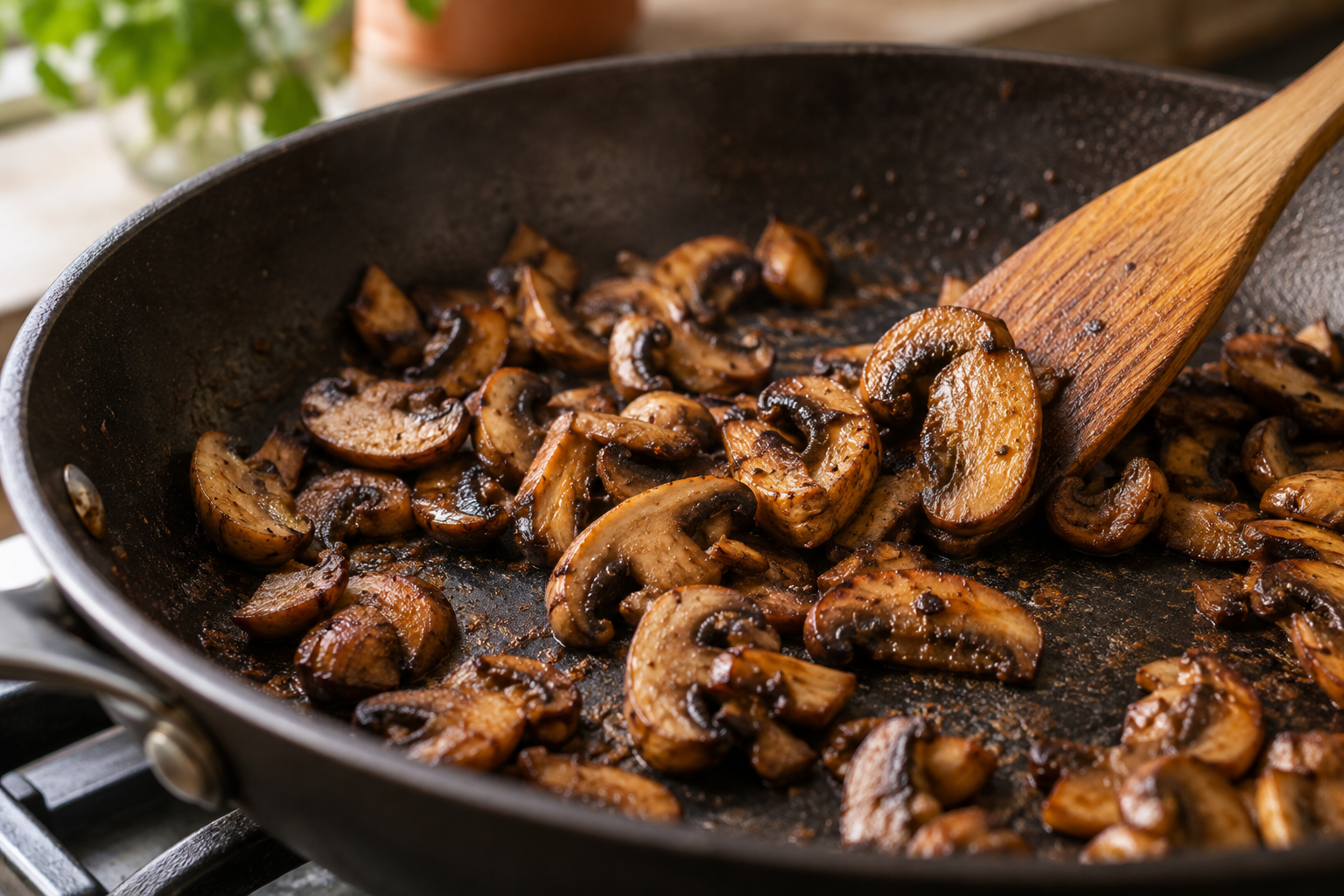
Choose the size for the meal. Fairly thick slices suit toast, where you want a recognizable mushroom in each bite. Smaller pieces make sense for a spoonable bean bowl or a pasta sauce. For the toast version, finish with black pepper, chopped parsley, and a few drops of lemon. For pasta, loosen the browned pan with a splash of cooking water before tossing; keep enough mushroom pieces visible that they remain part of the meal’s texture.
The useful limit is a pan that begins to scorch while the mushrooms are still pale. Lower the heat and turn the pieces rather than pursuing a uniformly dark batch at any cost. A mushroom does not need to be crispy all the way through to make a good topping.
Decide whether you want the browned pieces to stand out or disappear into a sauce. We would leave them on top of creamy beans for contrast, but fold them into a tomato sauce when they are meant to become part of its body. Those are different meals, even with the same skillet of mushrooms.
2. Bloom ground spices before the beans go in
Give ground spices a short turn in warm oil rather than scattering them onto a finished bowl. Heating them in fat releases fat-soluble flavor compounds and helps distribute their flavor through the dish. Serious Eats’ guide to blooming ground spices.
For one drained 15-ounce can of black beans, a useful starting point is half a teaspoon of ground cumin and a quarter teaspoon of smoked paprika. Soften a little chopped onion in oil, stir the spices into the oily part of the pan, and add the beans and a splash of water once the aroma rises. Aim for a brief fragrant stage, about 30 seconds with sautéed aromatics, rather than a brown crust of spice powder. Bloom Ground Spices in Oil for Better Flavor.
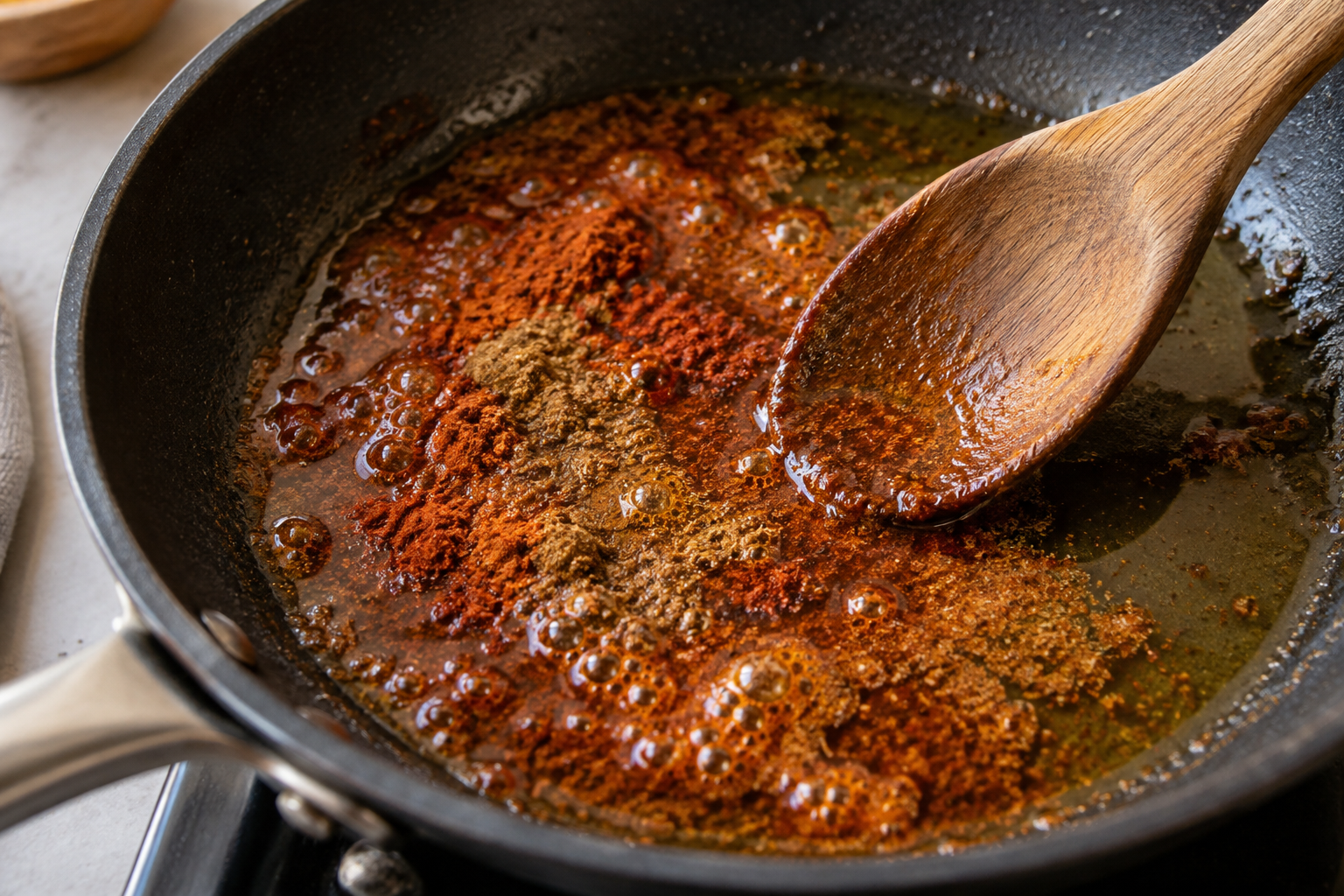
That combination gives the beans a smoky direction. For chickpeas destined for a lemony bowl, we would start with ground coriander and a smaller amount of cumin instead. For a tomato-based lentil pot, smoked paprika can be the leading seasoning with a little black pepper at the end. The choice matters more than the number of spices: decide which one should be recognizable and use the others to support it.
Keep enough oil around the onions for the powder to meet fat, rather than landing in a dry patch. If the pan is aggressively hot after browning another ingredient, take it off the burner briefly before this step. There is little benefit in rushing a twenty-second addition and carrying a scorched flavor into the whole pot.
Blooming is most useful when you are building a sauce or simmered dish. For roasted vegetables, an oil-and-spice coating before roasting may suit the job better. For a cooked bowl that already has a strong spice aroma, choose a finishing change—lemon, herbs, or crumbs—rather than trying to make it louder with more cumin.
3. Give tomato paste its own time in the pan
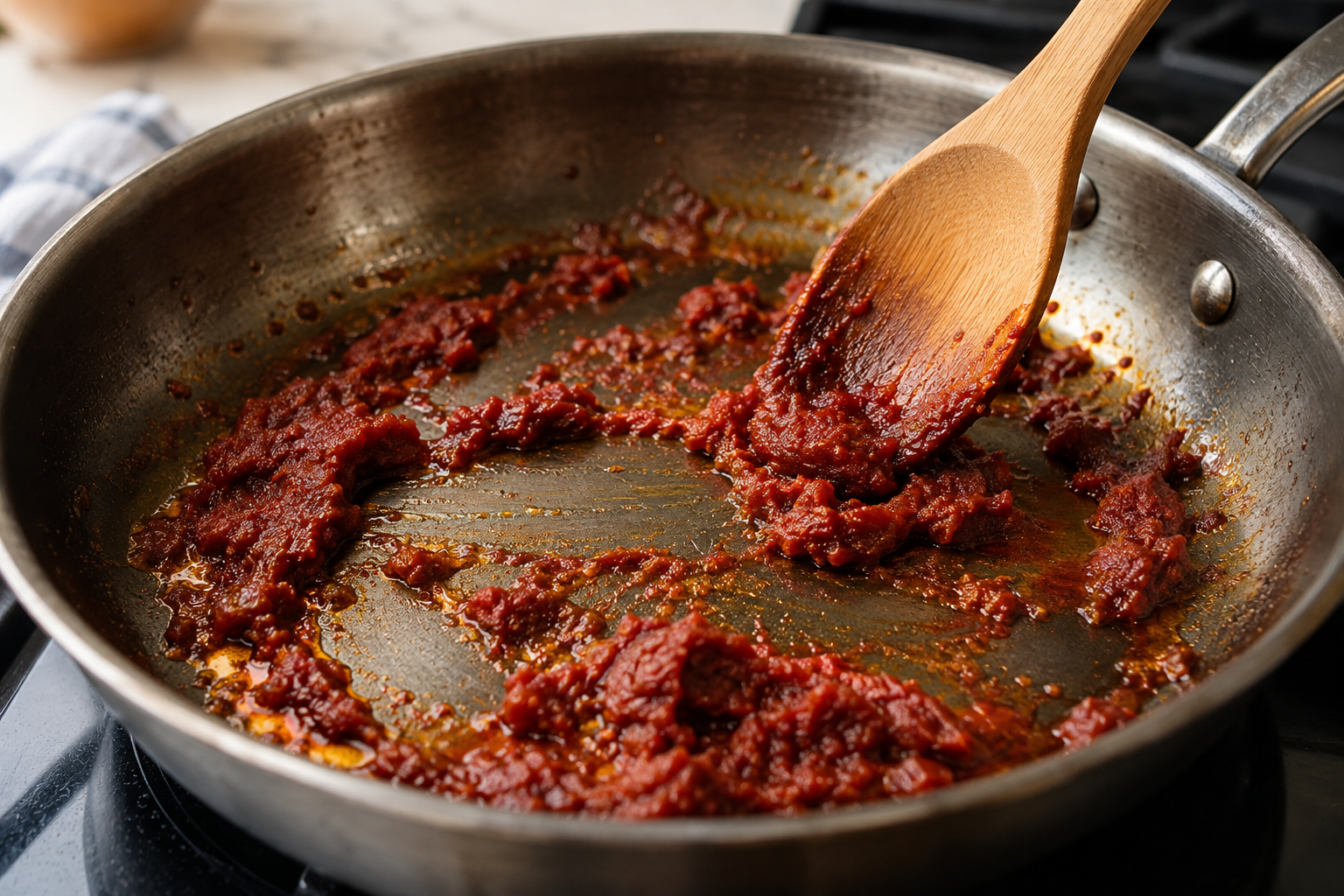
Cook tomato paste before adding broth, water, or canned tomatoes. The visible cue is a change from bright red toward brick red, rather than simply getting it hot. Epicurious’s tomato-paste technique.
For a pot built around one can of beans, start with a tablespoon of tomato paste after softening the onion. Spread it through the oil, stir, and watch the color deepen before pouring in the liquid. A thin red film on the pan can be stirred into the sauce with the next splash of water; blackened patches are a reason to stop and lower the heat. Choose a moderate burner setting that lets you work the paste without burning the onions underneath it.
The amount depends on its job. A tablespoon can support a lentil or bean stew without making tomato the whole story. For two portions of a deliberately tomato-forward pasta, try two tablespoons with olive oil and garlic, then loosen the cooked paste with pasta water until it coats the noodles. Add another small splash while tossing if the sauce is sticky rather than glossy.
Keep the other flavors clear. For a smoky bean pot, bloom cumin and paprika, cook the tomato paste, and finish the cooked beans with lime. For pasta, choose garlic, black pepper, and a crisp topping. Piling olives, capers, and several other condiments onto either example would turn a focused meal into something much busier.
Tomato paste is the wrong fix for a delicate broth you want to keep pale and clean. It is also unnecessary in a fresh tomato salad that already has the character you want. Save this move for food that would benefit from a cooked tomato base, and reach for miso or a finishing acid when tomato would pull the dish in the wrong direction.
4. Use nutritional yeast to season a creamy base
Nutritional yeast can add a savory, nutty, cheese-like note to pasta and sauces. Anthony’s plain flakes. Choose it when that flavor belongs in the meal.
Start with a sauce that already has body. For about a cup of blended white-bean sauce, try a tablespoon of nutritional yeast with a teaspoon of Dijon mustard and a little garlic. Loosen it with water or pasta water, then decide whether a second tablespoon would improve it. The aim is a sauce you want to eat with the vegetables or noodles, not the strongest possible yeast flavor.
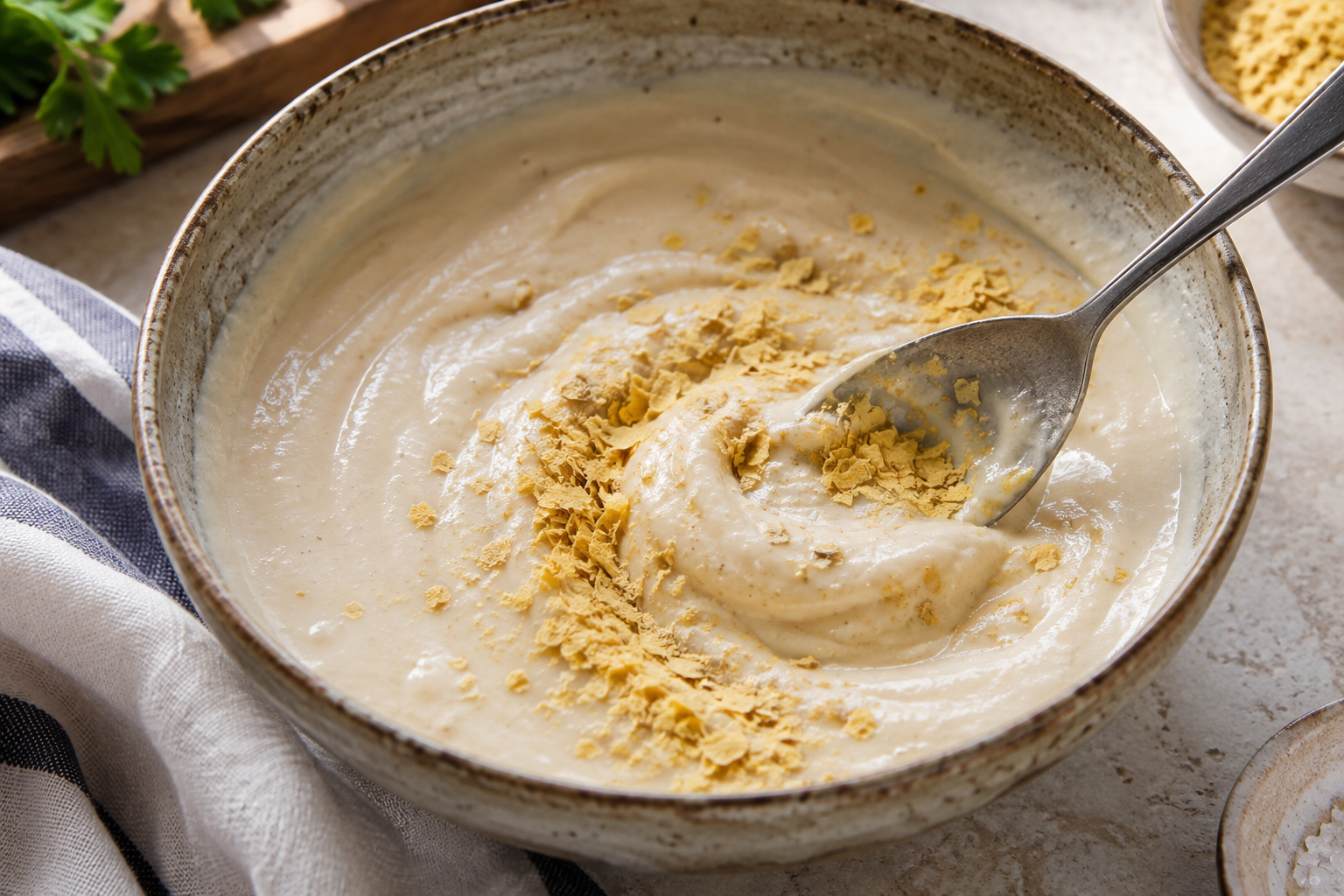
This is a good direction for broccoli pasta: blend the sauce, coat the pasta, and leave the broccoli in pieces for a different bite. If the sauce feels heavy, a little lemon belongs near the end. If it tastes aggressively mustardy, adding nutritional yeast is unlikely to make mustard disappear; add more of the plain base instead. Keep the creamy base and its seasoning as separate decisions.
For a lighter use, choose flakes as part of a topping. Bon Appétit’s vegan garlic pasta includes nutritional yeast in toasted panko, giving it a savory role without making the whole plate creamy. Pasta With 20 Cloves of Garlic. Try that direction on roasted broccoli or tomato pasta when you want crunch as well as seasoning. A teaspoon stirred into a small bowl of finished crumbs is a restrained place to begin.
Nutritional yeast earns its place when its flavor suits the meal. We would skip it in a minty cucumber salad or a clean ginger broth, where another savory layer would distract from the main idea. It is one pantry tool, not the required finish for every vegan dinner. For a pantry organized around ingredients with useful jobs, see The Pantry We Cook From.
5. Choose miso for the depth the dish needs
White and lighter misos generally lean milder and sweeter; darker varieties generally have a deeper, more intense character. The differences are tendencies across styles, so use the jar’s flavor as your guide rather than relying on color alone. Hikari’s guide to types.
For a first addition to a simple vegetable soup, try a teaspoon of miso per cup of broth. Take the pot off the heat, dissolve the paste in a little warm broth, and stir it back in. Keep the soup below a boil after the miso goes in. Marukome’s soup technique. Start with less when the broth is already seasoned.
For a can of white beans warmed with onion and a little water, try one to two teaspoons of white miso near the end. Pair that bowl with wilted greens and lemon rather than a second salty sauce. For a mushroom-heavy broth, a darker miso is a more deliberate choice when you want a forceful fermented flavor. Begin with less; strength is useful only when it belongs with the other ingredients.
Miso also makes a good bridge between cooked vegetables and a fresh dressing. For two portions of roasted carrots, whisk a teaspoon of white miso with a tablespoon each of lemon juice and olive oil, then enough water to make it easy to spoon. If you want the carrots’ sweetness to lead, keep the dressing light. If you want a sharper bowl with bitter greens, give the lemon more room.
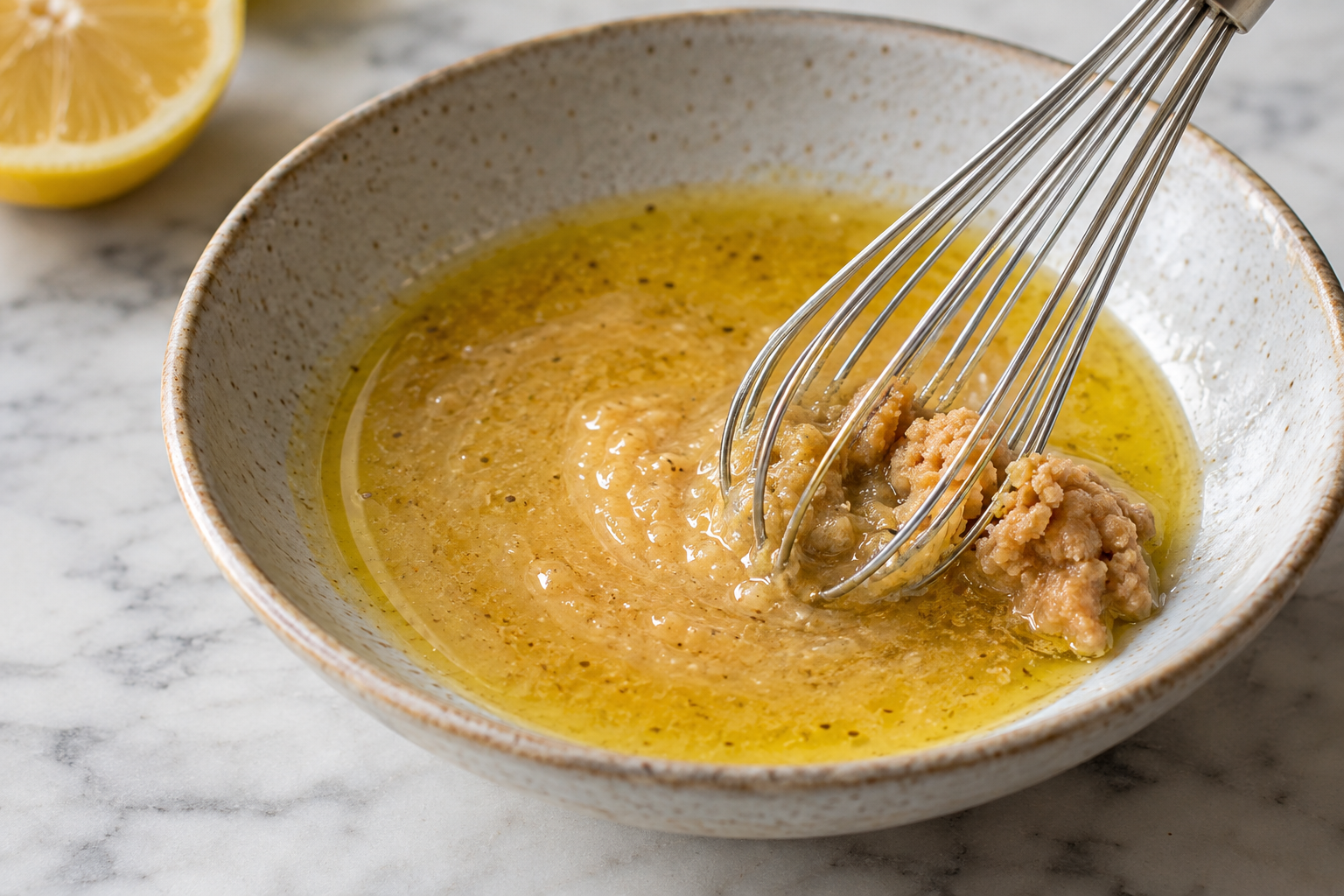
One buying distinction matters: some prepared miso includes fish-based dashi. Marukome’s White Dashi-Iri Miso lists bonito powder, so it is not a vegan choice. Marukome’s ingredient disclosure. Choose a plant-based paste and broth for these applications. A plain paste and a ready-made soup base are different ingredients, even when both put miso in large letters on the front.
6. Finish with an acid that belongs on the plate
If a soup is seasoned but tastes dull, a little acid at the end can give it a brighter finish. That is particularly useful with a rich or long-simmered bowl. The Kitchn’s soup guidance.
For two portions of bean or vegetable soup, try a teaspoon of lemon juice after cooking. The useful result is a bowl that feels more lively, without necessarily becoming a lemon soup. If you want a distinctly lemony meal, build toward that on purpose and add fresh herbs that suit it. Brightness and a dominant citrus flavor are two different targets.
Choose the acid as you would choose a seasoning. We would use lemon with white beans, tahini, or parsley; lime with black beans, cilantro, or chili-spiced tofu; and a little sherry or red-wine vinegar with a tomato-rich lentil pot. A citrus wedge is convenient when people want different levels of tang. Vinegar is useful when a lemony aroma would not fit the meal.
Pickle brine belongs in this category only when you want the pickle’s flavor too. Try half a teaspoon in an individual bowl of potato-and-bean soup as a starting experiment. A dill-forward brine is a deliberate choice for that bowl; it would be a distracting finish for a ginger noodle soup. For food that is already salty, we would choose lemon or plain vinegar and leave the brine in the jar.
There are meals where the acid is already doing plenty: tomatoes, a tangy dressing, or pickled onions may have supplied the sharp edge. If the plate still feels monotonous, move to texture. Toasted crumbs or a spoonful of herb sauce can make more sense than another squeeze. The Make It Taste Incredible guide builds on these choices across everyday meals.
7. Add toasted crumbs when the food needs contrast
A soft bowl sometimes needs something to bite into. Bon Appétit’s vegan garlic pasta uses toasted panko as a final topping rather than another layer of sauce. Pasta With 20 Cloves of Garlic.
For a small batch, try half a cup of plain panko with a tablespoon of olive oil in a skillet over moderate heat. Stir until golden, then move it out of the hot pan. Season with a little salt and black pepper. This should be enough to top several plates; begin with a tablespoon on each, leaving some sauce and vegetables visible rather than covering everything in crumbs.
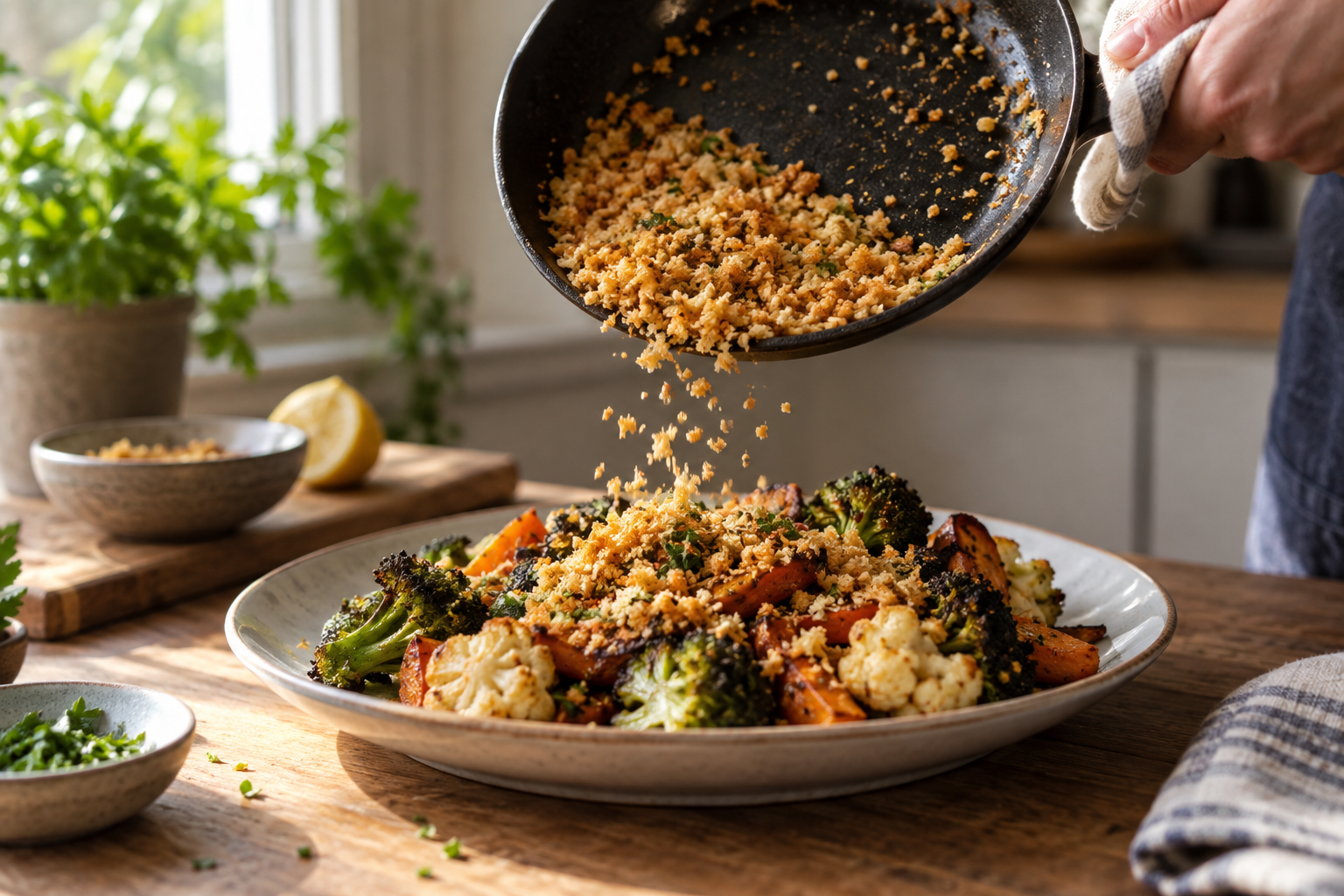
Choose plain crumbs when the food already has strong seasoning. A salty olive-and-tomato pasta needs crunch more than another assertive flavor. For creamy broccoli pasta, you could add a little nutritional yeast to the finished topping. For roasted carrots or cauliflower, finely grated lemon zest and chopped parsley are a more fitting direction. Season the topping for the meal rather than making one powerful mix that goes on everything.
Use larger bread pieces when they are meant to be a real component of the bowl. Olive-oil croutons can top soup or be crushed for pasta. King Arthur’s crouton guide. We would choose small croutons for a smooth vegetable soup and finer crumbs for long noodles, where large pieces are harder to catch with the pasta.
Add the topping at the table or as you plate. Keep it out of the sauce pot when you want crispness to be its contribution. For tomorrow’s lunch, pack it separately and add it when the meal is ready. That one distinction is more useful than making a highly elaborate topping that arrives soft.
8. Use chili crisp as a hot, savory finish
Chili crisp can be a satisfying finish when the plate calls for heat, seasoned oil, and crisp pieces. Fly By Jing describes its Original Sichuan Chili Crisp as spicy, crispy, and savory, and labels that formula vegan. Fly By Jing’s Original formula.
Start with a teaspoon per serving on warm tofu and rice. Spoon from the part of the jar that contains both oil and pieces if you want both contributions. For a bowl with a rich sauce already, we would lean toward the crisp solids instead of another large spoonful of oil. For simply dressed noodles, a little more of the oil may be the direction you want. These are different uses of the same condiment.
Build a bowl that gives the topping room: rice, tofu, sliced cucumber, and a small spoonful of chili crisp. A little lime can be useful, but there is no need to add a heavy soy dressing automatically. Let the hot topping sit against some quieter bites. For roasted sweet potatoes, use it sparingly alongside a creamy tahini drizzle if you want the heat to stand out from the sweetness.
The vegan distinction is product-specific. Lee Kum Kee’s Fiery Hot Dried Shrimp Chili Oil contains dried shrimp and shrimp paste. The product’s ingredient list. Choose a jar with a vegan formula; the words chili oil or chili crisp do not settle that decision.
Skip chili crisp when the meal’s main pleasure is a delicate broth, fresh mint, or another flavor you would rather keep clear. If you only want crunch, use crumbs. If you only want a sharper finish, use acid. The strongest condiment is not always the best finishing choice.
9. Make herbs into a sauce, not a token garnish
A spoonable herb sauce gives you more green flavor than a few leaves scattered on top. Parsley and mint work with oil, lemon, and garlic softened in a skillet for a generous green sauce. David Tamarkin’s Garlic–Herb Blender Sauce.
For a small chopped version, try a packed cup of parsley leaves and tender stems, three tablespoons of olive oil, a tablespoon of lemon juice, and a small amount of finely grated garlic. Chop the herbs, combine, and season. Aim for a sauce you can spoon over several bites, with visible herbs rather than a pool of oil containing green specks. If you prefer a smooth texture, blend the same general combination and adjust its thickness for the plate.
Choose the herb mix for the meal. Parsley is a useful lead for white beans, potatoes, or roasted cauliflower. Replace part of it with mint for a bowl with peas or cucumber. Cilantro and lime make more sense for chili-spiced beans. We would let one herb lead rather than combine every remaining bunch in the fridge and hope the result belongs together.
Garlic changes the character just as much as the herbs. Use a little raw garlic when you want a sharp edge. For a gentler, rounder sauce, soften the unpeeled cloves in a skillet, then peel them before blending. David Tamarkin’s garlic method. If raw garlic has taken over a small batch, adding more lemon is unlikely to restore the herbs as the main flavor; increase the herbs and oil instead.
Spoon the sauce onto warm potatoes or beans at serving so it remains a distinct component. For a vegetable tray, put some on the platter and serve the rest beside it. A bowl already wearing tahini sauce may need only a little chopped parsley and lemon; save the full herb sauce for food that has room for it.
10. Loosen tahini to match the meal
Tahini, lemon, and water can make a creamy sesame sauce for vegetables or a grain bowl. The mixture may become thick before it turns pourable; whisk in cold water a tablespoon at a time to loosen it. Soom’s Best Basic Lemon Tahini Sauce.
For a small batch, start with a quarter cup of tahini, a tablespoon of lemon juice, a little grated garlic, and a pinch of salt. Whisk in cold water gradually. Stop at a thick, spoonable texture for a dip or continue until it runs from the spoon for a drizzle. The temporary thick stage is a reason to keep working the water in, rather than pouring in extra oil. Soom’s water method.
Match the sauce to what is underneath. For roasted cauliflower and chickpeas, keep enough body that a spoonful stays on the food. For a grain bowl with several dry components, loosen it further so a little sauce reaches more of the rice or farro. For a salad that already has juicy tomato and cucumber, use a smaller quantity of thick sauce rather than flooding the bowl with thin dressing.
Decide how much sesame you want to taste. A plain lemon-tahini sauce is a good choice when browned carrots, cauliflower, or chickpeas are the main attraction. Add a little miso if you deliberately want a more fermented direction, or a small spoonful of chili crisp on top for heat. Either addition changes the sauce’s purpose. We would keep the first batch simple before turning it into the plate’s strongest flavor.
Tahini is especially useful when dinner needs a creamy component but you do not want to build a dairy-style sauce. It does not have to imitate cream or cheese. Let it be sesame, with enough lemon and salt to suit the roasted food beside it.
Which vegan flavor hacks should you choose tonight?
Choose by what is missing, not by which ingredient you bought most recently. Use this as a dinner decision guide rather than a list of additions to make in sequence.
| What the dish needs | First move to try | Keep the result focused |
|---|---|---|
| Browned pieces instead of wet, pale mushrooms | Cook away liquid, then brown | Add the sauce after the browning stage |
| A warm spice base for beans | Briefly bloom ground cumin or coriander in oil | Let one spice lead |
| A cooked tomato foundation | Cook tomato paste before adding liquid | Use less when tomato is a supporting flavor |
| A nutty savory direction for creamy pasta | Stir nutritional yeast into the base | Stop before the flakes dominate |
| Fermented depth in a simple soup or bean bowl | Dissolve a little miso near the end | Leave room for its salt and strength |
| A brighter finish on rich food | Add lemon, lime, or vinegar | Choose an acid that fits the dish |
| Contrast on an otherwise soft plate | Scatter toasted crumbs at serving | Keep them out of the sauce pot |
| Heat on a quiet tofu or rice bowl | Add a little vegan chili crisp | Leave some plain bites alongside it |
| A generous fresh green element | Spoon on an herb sauce | Make herbs the main part of the sauce |
| Creaminess for roasted vegetables or grains | Loosen tahini with lemon and water | Match the thickness to the food |
For black beans and rice, start with bloomed cumin, then choose lime and perhaps chili crisp at serving. For mushroom pasta, give the mushrooms their browning time, then choose either a nutritional yeast sauce or an olive-oil direction with crisp crumbs. For roasted cauliflower and chickpeas, try lemon-tahini sauce and keep the herbs simple. Each dinner gets a clear flavor direction without using all ten moves.
Keep the Eat room close for more cooking and pantry ideas. A useful next step is one familiar dinner with one better choice, rather than a completely new recipe built to use every condiment.
Conclusion
Pick the change that improves the meal in front of you. Let the mushrooms brown before the pasta sauce goes in. Give tomato paste time in the pan. Finish a rich bean bowl with lemon, or add crisp crumbs when the flavors are right but every bite feels the same.
The result should still taste like the food you wanted to cook, with a clearer flavor or a more satisfying bite.
For more everyday vegan help, subscribe for new posts, seasonal guides, smart finds, and a free copy of The Things Nobody Tells You.
FAQ
What should I add when vegan soup tastes flat?
Choose between more savory depth and a brighter finish. For a broth that tastes thin and underseasoned, a little dissolved miso is a useful direction. For a rich soup that is already seasoned, try a small amount of lemon juice or vinegar at the end; a finishing acid can brighten a dull bowl. The Kitchn’s soup guidance. If both are already in balance, use chopped herbs or a crisp topping instead of adding another salty ingredient. A smooth potato soup and a chunky tomato soup may need different finishes even when both seem unfinished.
Can nutritional yeast replace miso?
Choose them for different flavors rather than treating them as interchangeable spoonfuls. Nutritional yeast is useful for a nutty, cheese-like direction. Anthony’s product information. Miso offers the fermented character of the style you buy, with light and dark versions generally differing in intensity. Hikari’s guide to styles. We would choose nutritional yeast for creamy broccoli pasta and miso for a simple mushroom broth. If adapting a recipe, begin with a small addition and season the dish anew rather than assuming a one-for-one replacement will keep its balance.
Why did my tahini sauce become thicker after I added lemon?
That thick stage can happen before the mixture becomes a sauce. It initially seizes, then loosens as cold water is whisked in gradually. Soom’s Best Basic Lemon Tahini Sauce. Keep adding water a tablespoon at a time until it has the texture you want. Stop sooner for a dip and later for a grain-bowl dressing. Adding a large amount of water all at once makes it harder to stop at a thick drizzle. Save oil for a deliberate flavor addition once the sauce’s texture is right.
Is chili crisp always vegan?
No. Fly By Jing labels Original Sichuan Chili Crisp vegan. The Original product page. Lee Kum Kee’s Fiery Hot Dried Shrimp Chili Oil lists dried shrimp and shrimp paste. The ingredient disclosure. Choose by the formula of the jar you want, not just the category name. A vegan chili crisp can be useful on tofu, noodles, or roasted vegetables, but its heat and strength still have to suit the meal. For a gentle plate that needs only texture, toasted crumbs are the more focused choice.