How to Find Vegan Airport Food Before You Fly
Vegan airport food is not just a snack-packing problem. Most airports are not empty terminals with one sad pretzel stand. They are uneven little food neighborhoods: newsstands, coffee shops, chain counters, local restaurants, bars, fast-casual bowls, vending machines, and planes that may or may not feed you well.
Start by checking the terminal and concourse you will use. Use vegan lookup tools when they help, then choose from the places nearby. Bring a backup for delays, closed concessions, and the plane. Find a vegan meal before the travel day gets chaotic.
Key Takeaways
- Search your exact terminal or concourse before you leave, not only the airport name.
- Use VeggL and HappyCow as lookup tools, then verify hours, location, and ingredients at the airport.
- Mexican counters, Mediterranean bowls, salad/grain-bowl spots, and Asian rice or tofu places are often stronger vegan meal routes than random snack shopping.
- Newsstands and coffee shops are useful for breakfast, side pieces, and plane backups, but they should not be your only plan when better food exists.
- Ask short questions about stock, lard, dairy, egg, fish sauce, mayo, honey, and shared fryers.
- Pack a small shelf-stable backup for the flight, delay, or late arrival. Do not build the whole travel day around oatmeal unless the airport truly gives you nothing else.
Start With Vegan Airport Food in Your Exact Terminal
The most useful vegan airport food search starts with the terminal. "JFK vegan food" is less useful than "JFK Terminal 4 vegan food," because a great option in another terminal may be functionally useless during a tight connection. Some airports are connected airside. Some are not. Some require a train, shuttle, or another security line. A good restaurant 25 minutes away might as well be in another city if boarding starts in 20.
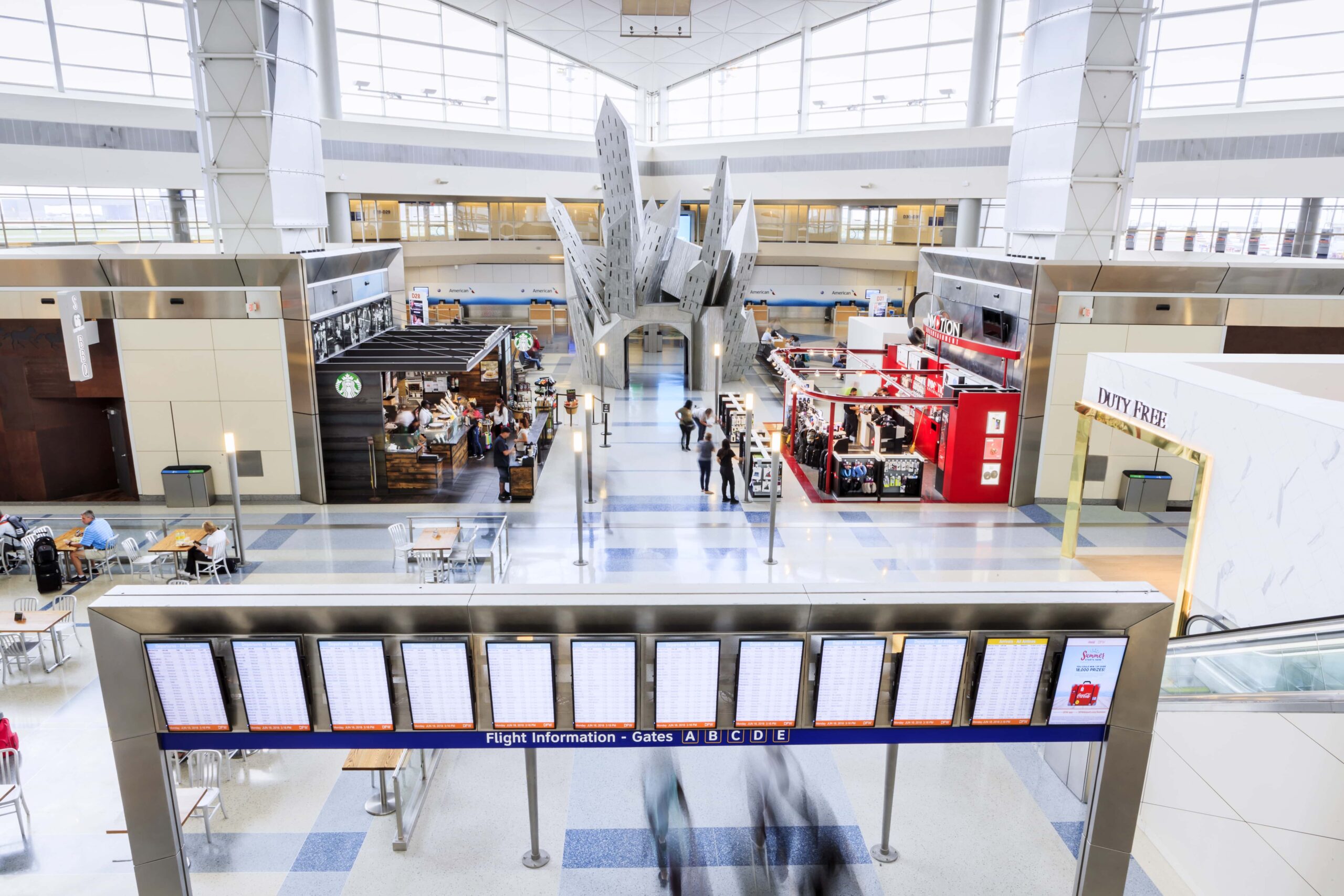
Start with the airport's own dining directory. Large airports often let you filter by terminal, category, current hours, map location, and sometimes mobile ordering. The DFW International Airport shop, dine, and services directory is useful because it maps current concessions by terminal and concourse.
Choose one meal and one backup. Your meal might come from a Mexican counter, a Mediterranean bowl place, a sushi case, a burger spot with a plant-based patty, or a coffee shop with oatmeal and a bagel. The backup might be a market near your gate where you can grab nuts, pretzels, fruit, and water.
This is also where our broader travel rule applies: do the boring lookup before the hungry moment. The How to Eat Well Anywhere guide is built around the same principle. You do not need a perfect plan. You need to know where the likely food is before everyone around you starts power-walking to the gate.
Use VeggL and HappyCow as Tools, Not Guarantees
VeggL and HappyCow are useful because they can shorten the search. They should not replace judgment at the counter.
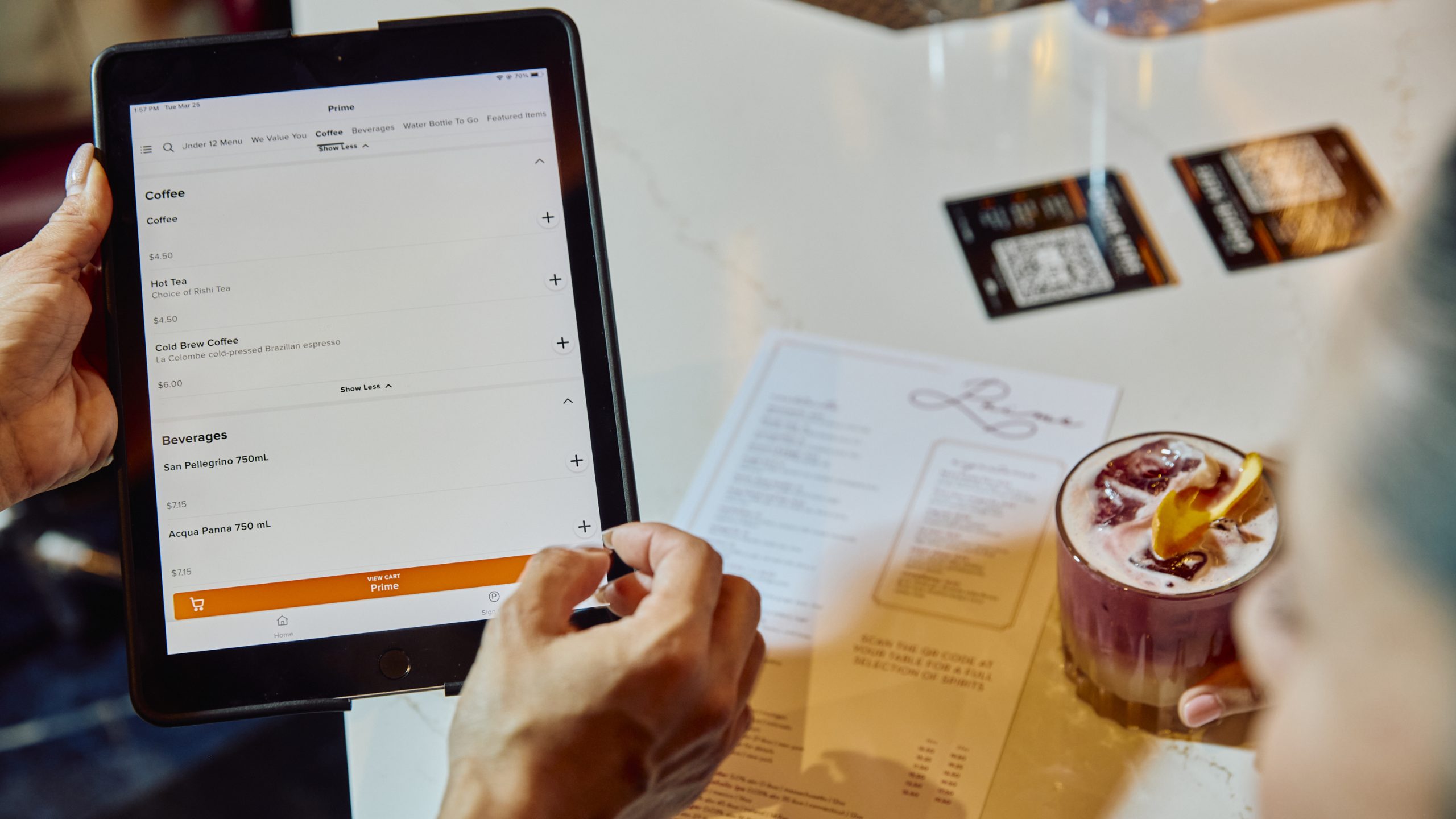
Use the VeggL airport vegan guides when your airport is listed, or use VeggL's chain guides when the place in front of you is a national restaurant with known vegan modifications. That can tell you where to start walking and what to ask for first. It is especially helpful when you have a layover and do not want to read six menus from scratch.
Use the HappyCow mobile app when you want to see vegan and vegan-friendly listings around the airport, near your hotel, or at the destination. Depending on the airport, it may also surface useful in-terminal or nearby options. It is especially handy if your flight is delayed long enough that leaving the terminal or ordering delivery becomes realistic.
Airport food changes. Concessions close, terminals renovate, menus shrink, staff rotate, and a vegan item at a street location may not exist at the airport version. Use the tools to narrow your path. Then cross-check the airport directory, look at the posted menu, and ask about the ingredients that determine whether the dish is vegan.
The best mindset is simple: the app helps you decide where to walk. The counter confirms what you can eat.
Newsstands, Bookstores, and Convenience Markets
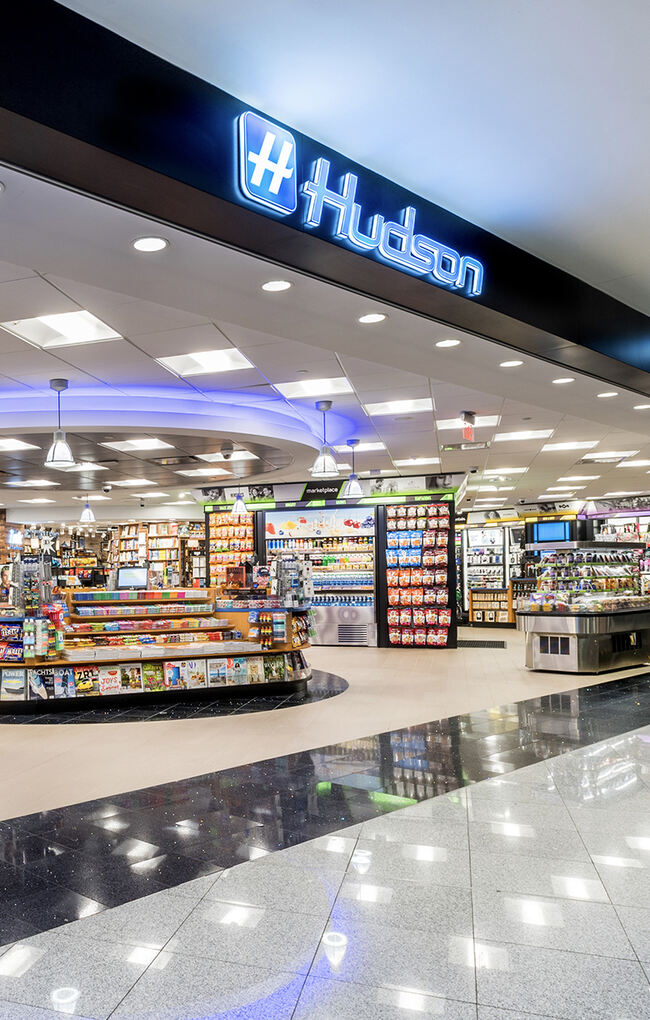
The airport bookstore or newsstand can cover a gap with packaged food and drinks. Think Hudson-style markets, magazine shops, grab-and-go coolers, and small convenience stores near the gates.
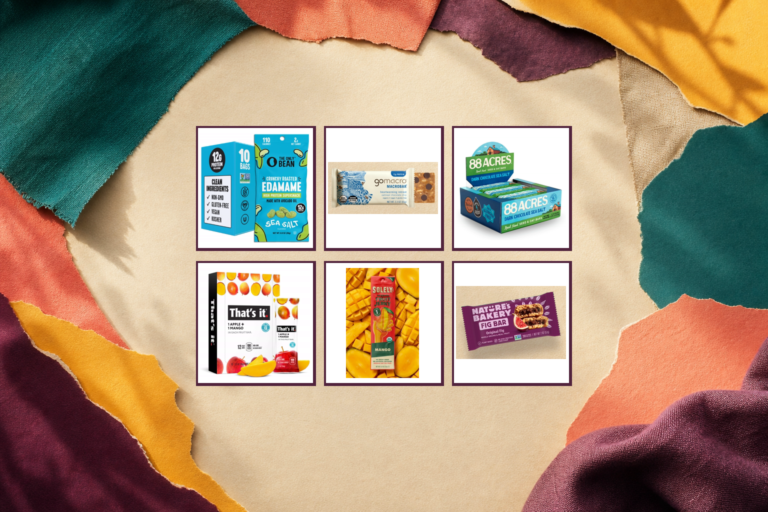
Good vegan buys usually live in the shelf-stable and label-readable zone: nuts, trail mix, dried fruit, whole fruit, fruit cups, pretzels, chips, popcorn, crackers, roasted chickpea snacks, dark chocolate, some granola bars, some protein bars, seaweed snacks, and sometimes vegan jerky-style snacks. If the cooler is decent, you may also see hummus and pretzel packs, cut fruit, salads, overnight oats, or small grain bowls. Read the label every time.
The common traps are milk powder, whey, honey, gelatin, egg, yogurt coatings, cheese flavoring, and sneaky fish ingredients in savory snacks. A bag of barbecue chips might be vegan at one brand and contain milk at another. A protein bar that looks plant-forward may still use whey. A trail mix can be fine until the chocolate pieces or yogurt raisins bring dairy into it.
The best way to use this kind of place is to buy components. If there is no full meal near your gate, get one salty thing, one filling thing, and one fresh or sweet thing. That could be nuts, pretzels, and a banana. Or hummus with crackers, chips, and a fruit cup. Or a bar, roasted chickpeas, and sparkling water.
If you already found a decent meal, the newsstand is still useful for the plane. Buy the salty snack before boarding, because onboard snack choices can be tiny, inconsistent, or not vegan once the ingredient list appears.
Coffee Shops Can Be More Useful Than They Look
Coffee shops are often the best early-flight move. Oatmeal, a bagel, fruit, and a plant-milk coffee make a more filling breakfast than a random bag of snacks.
Start with drinks. Many airport coffee counters carry at least one nondairy milk, though the exact options vary. Plain hot coffee, iced coffee, cold brew, espresso drinks with oat, soy, almond, or coconut milk, and unsweetened tea are usually the easiest path. Watch seasonal sauces, whipped toppings, cold foams, caramel drizzles, and powders. Some are dairy-free and some are not. Ask before you build the whole drink around one.
For food, look for oatmeal, plain or everything-style bagels, fruit cups, bananas, avocado spread, jam, and packaged snacks. Oatmeal becomes more filling if you can add nuts, dried fruit, banana, or nondairy milk. A bagel with avocado spread, jam, or peanut butter bought after security is more useful than coffee alone. If the counter has a plant-based breakfast sandwich, still ask about cheese, egg, and whether the bread or sauce is vegan.
Bakery cases are where confidence goes to wobble. Croissants, muffins, pastries, breakfast breads, and cookies usually contain dairy, egg, butter, or honey unless the shop labels them vegan. Do not assume a blueberry muffin is vegan because it looks plain. Airport menus are also often smaller than regular city locations, so a vegan item from the chain website may not be available at the gate.
The coffee-shop order we would aim for is boring in the best way: coffee with nondairy milk, oatmeal or a bagel, fruit, and a packaged snack for later.
Mexican Counters Are Usually Worth Checking First
If you see a Mexican counter, check it early. Bowls, burritos, tacos, chips, salsa, rice, beans, vegetables, and guacamole make this one of the most flexible airport categories.
At a Chipotle-style counter, the basic vegan order is a bowl, burrito, or tacos with rice, beans, fajita vegetables, salsa, lettuce, guacamole, and Sofritas or another plant-based protein if that location has it. Chipotle's own allergens and special dietary information supports that kind of build: its official system marks core items such as beans, rice, fajita vegetables, Sofritas, salsas, guacamole, lettuce, tortillas, and chips as vegan, while cheese, sour cream, and queso are dairy.
The order language can be very plain:
"Can I do a bowl with rice, beans, fajita vegetables, salsa, lettuce, and guacamole, no cheese, no sour cream, no queso? Is the rice made without chicken stock or butter?"
If the place is not Chipotle, ask more. Some Mexican restaurants cook beans with lard, rice with chicken stock, or vegetables with butter. Some sauces are creamy. Some vinaigrettes contain honey. Some airport counters have a plant-based protein on the menu but do not stock it in every terminal.
When the answers confirm the ingredients are vegan, this is one of the easiest ways to build a filling meal. Rice plus beans plus vegetables plus salsa and guacamole gives you salt, fat, fiber, and enough substance to make the flight less annoying. If the main ingredients do not work, chips, salsa, guacamole, and a drink can cover a short gap. Choose a fuller dinner nearby when one is available.
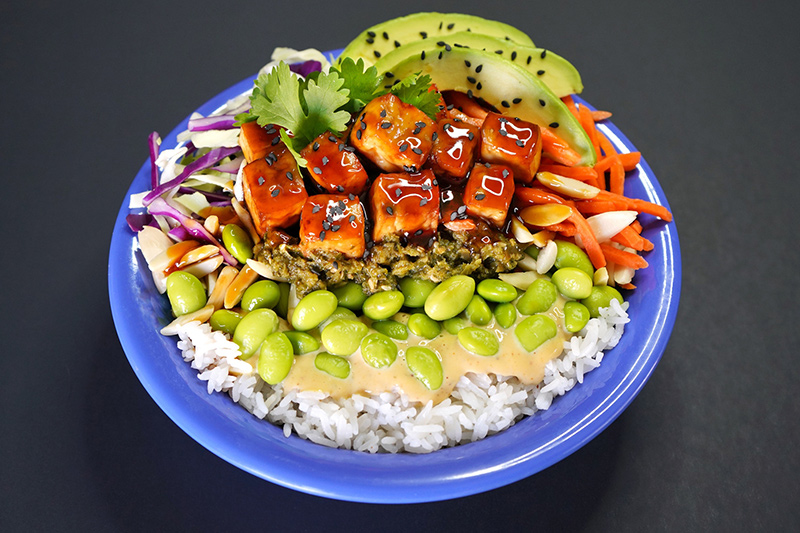
Mediterranean, Salad, and Grain-Bowl Places
Mediterranean and grain-bowl counters can be excellent when the components are clear. Look for hummus, falafel, lentils, chickpeas, rice, grains, roasted vegetables, olives, pickles, cucumber-tomato salad, tabbouleh, pita, tahini, lemon dressings, and hot sauce.
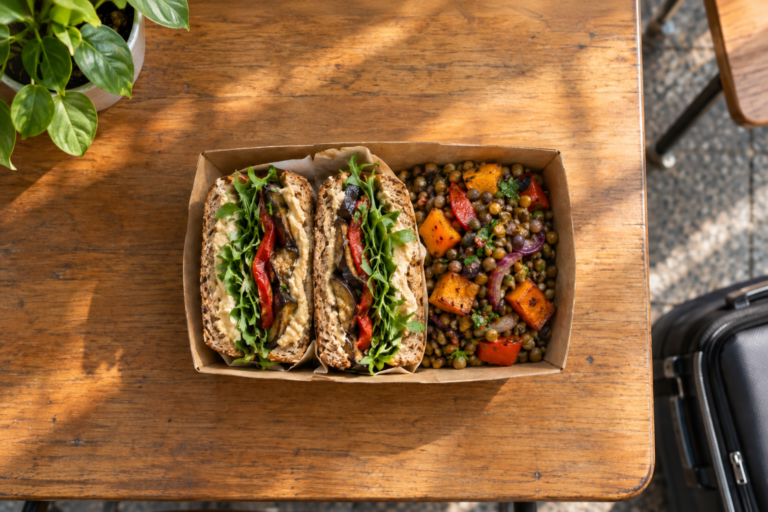
The best build is a bowl with a grain or greens base, hummus or chickpeas for substance, vegetables for freshness, pickles or olives for salt, and tahini or a lemony vinaigrette if the dressing checks out. If the place has lentils, add them. If it has avocado, roasted potatoes, or nuts, those can help make a salad feel like food rather than a polite side dish.
The questions matter. Ask whether rice or grains are cooked with chicken stock or butter. Ask whether the pita contains dairy, egg, or honey. Ask whether falafel is fried in a shared fryer if that matters to you. Ask whether the sauces are yogurt-based. Skip tzatziki, feta, creamy garlic sauce, and any dressing that contains dairy. Tahini often works, but confirm the ingredients.
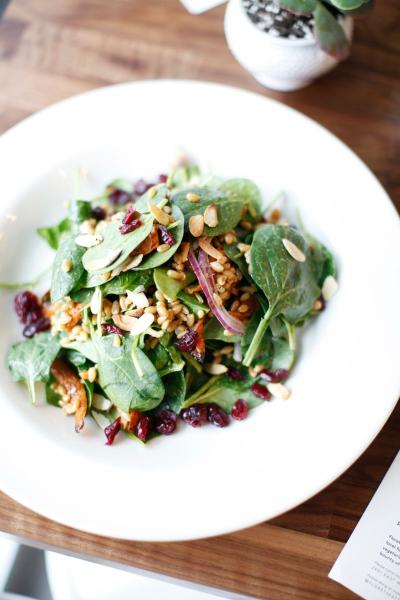
Salad places can work, but only if you make them sturdy. A vegan airport salad should have beans, grains, nuts or seeds, avocado, tofu, hummus, or another filling element. Greens plus tomatoes plus balsamic might technically be vegan, but it is not a travel meal. If you are boarding a long flight, build the salad like it has a job to do.
This category works well at airport food halls. You can often get protein, vegetables, and something salty without needing a complicated modification.
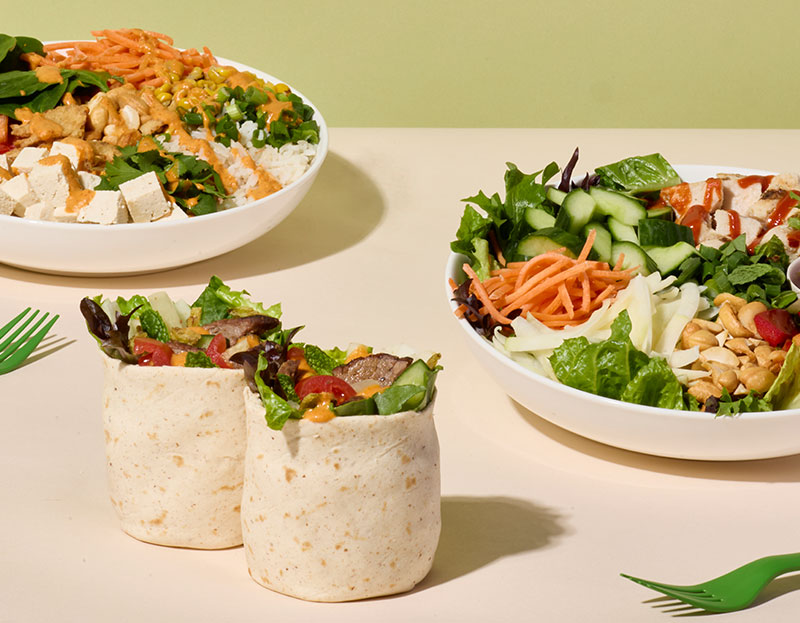
Asian Bowls, Noodles, Sushi, and Dumpling Counters
Asian airport counters can be great or tricky, depending on how transparent the sauces and broths are. The word "vegetable" helps, but it does not prove the dish is vegan.
Look first for steamed rice, tofu, edamame, vegetable stir-fry, avocado rolls, cucumber rolls, seaweed snacks, vegetable dumplings, and spring rolls. A rice bowl with tofu, vegetables, and a verified sauce can be a strong airport meal. Avocado or cucumber rolls plus edamame can also work when the sushi case is the only decent thing near the gate.
Ask about fish sauce, oyster sauce, bonito, egg, chicken broth, fish broth, and spicy mayo. Noodle soups are often broth-dependent, so do not assume the vegetable ramen or udon is vegan. Fried rice often contains egg. Some noodles contain egg. Dumpling wrappers and fillings can hide egg, fish sauce, or oyster sauce. Seaweed salad sometimes has fish-based seasoning.
The easiest order is the one with the fewest hidden parts:
"Can I get steamed rice with tofu and vegetables? Is the sauce made without fish sauce, oyster sauce, or dairy?"
Or:
"Are the avocado roll and edamame vegan? Is there any mayo, fish seasoning, or egg?"
When staff can answer clearly, this category can be one of the better vegan food at airports. When they cannot, choose simpler pieces: plain rice, edamame, avocado roll, packaged seaweed, or a bottled drink, then add a backup snack from a market.
Burger, Fries, Pizza, Bar, and Pub-Style Places
These places are not hopeless. They just need more questions.
At a burger counter, look for a plant-based patty or veggie burger, then verify the bun, sauce, cheese, and cooking surface. The order is usually: no cheese, no mayo, no creamy sauce, add lettuce, tomato, onion, pickles, ketchup, mustard, or avocado if available. Some veggie patties contain egg or dairy. Some buns contain milk or egg. Some plant-based patties are cooked on shared grills. Decide your comfort level, but ask first.
Fries can be useful, but they are not automatic. Some restaurants fry only potatoes. Others use shared fryers with chicken, fish, cheese sticks, or dairy-coated items. Some vegans are comfortable with shared fryers and some are not. A good article should not make that decision for every reader. It should tell them what to ask.
Pizza can work if the dough and sauce are vegan. A cheeseless veggie pizza with mushrooms, onions, peppers, olives, tomatoes, spinach, or roasted vegetables can be perfectly decent when the crust is safe. Vegan cheese is a bonus only when the shop clearly offers it. Watch garlic butter, parmesan finishing, and pesto with cheese.
Airport bars and pubs can be surprisingly useful because they often have sides and share plates. Look for hummus plates, chips and salsa, chips and guacamole, soft pretzels without butter, side salads, plain baked potatoes, fries, roasted vegetables, olives, pickles, or a modified grain bowl. Skip Caesar dressing, ranch, honey mustard, creamy aioli, cheese, sour cream, and buttered bread unless there is a vegan version.
If this is the only place open, build from sides. A hummus plate plus fries, or chips and guacamole plus a side salad, can be a reasonable terminal dinner. Not glamorous. Still better than boarding hungry.
Early Flights, Tight Layovers, and Closed Concessions
Airport food gets harder at the edges of the day. Early flights, late arrivals, and tight layovers are where a plan matters most.
For early flights, assume coffee shops and markets will be more reliable than full restaurants. Look for oatmeal, bagels, fruit, nuts, coffee with nondairy milk, and a packaged snack for the plane. If a breakfast counter has potatoes, toast, avocado, or a plant-based item, ask about butter, egg, cheese, and shared grills.
For tight layovers, do not chase a perfect option across the terminal unless you have already checked the map. Use mobile ordering if the airport supports it and the timing is realistic. Otherwise, pick the nearest strong category: Mexican bowl, sushi plus edamame, coffee shop oatmeal, or market components.
For late flights, buy earlier than you think you need to. Airport concessions can close before the last flights leave, and posted hours are not always emotionally aligned with your hunger. If you see a good vegan meal at 6:30 p.m. and your flight leaves at 9:10 p.m., buy the meal or at least buy a backup before the terminal starts shutting down.
For delays, keep one thing unopened. That is the snack you save for the aircraft, the landing, or the ride from the airport. Delay hunger is less dramatic when you did not eat every backup before boarding.
Pack a Small Backup for Gaps and Delays
Packing vegan airport snacks is still smart. It just should not be the whole story.
Bring a small backup that can handle the plane and the weird gaps: a bar you know you like, nuts or trail mix, pretzels or crackers, dried fruit, a piece of sturdy fruit, roasted chickpeas, or a single-serve nut butter packet if it fits the rules. If you want more everyday vegan pantry ideas for home and travel, our The Pantry We Cook From guide is the better place for that bigger conversation.
For security, keep the rule simple. The TSA food page says solid foods can go in carry-on or checked bags, while liquid or gel foods over 3.4 ounces are not allowed in carry-ons. The TSA liquids rule is the reason big tubs of hummus, dressing, yogurt, dips, and nut butter are not good carry-on bets unless they meet the small-container rule.
Do not pack a messy refrigerator meal for a full travel day unless you have a safe way to keep it cold and eat it soon. Do not bring a huge jar of peanut butter. Do not rely on a container of sauce that might get tossed at security. And do not let one packet of oats become the whole plan when the terminal has twenty places to check first.
The backup should be compact, sturdy, and boringly dependable. Its job is not to replace every airport restaurant. Its job is to make delays and plane service less risky.
What to Choose Fast
When you are hungry and boarding time is close, use the category in front of you.
If you see a Mexican counter, order rice, beans, fajita vegetables, salsa, lettuce, and guacamole. Add Sofritas or another verified plant-based protein if available. Ask about stock, lard, dairy, and honey.
If you see Mediterranean or a grain-bowl counter, build a bowl with grains or greens, hummus or chickpeas, vegetables, pickles or olives, and tahini or vinaigrette if vegan. Ask about yogurt, feta, stock, butter, honey, and shared fryers.
If you see a coffee shop, get oatmeal or a bagel, fruit, coffee with nondairy milk, and a packaged snack. Ask about butter, egg, dairy, and honey in bakery items.
If you see sushi, look for avocado rolls, cucumber rolls, edamame, and verified vegetable rolls. Ask about mayo, fish seasoning, egg, and sauces.
If you see a burger, pizza, or pub place, look for a plant-based burger without cheese or mayo, cheeseless veggie pizza with vegan dough and sauce, hummus, chips and guacamole, fries if acceptable, or a side salad built up with whatever has substance.
If you see only a shop, buy nuts or trail mix, fruit, pretzels or chips, water, and a bar. This gives you a workable vegan travel-food fallback.
Vegan travel gets easier when the small stuff stops surprising you. Subscribe for new guides, seasonal finds, and a free copy of The Things Nobody Tells You.
Conclusion
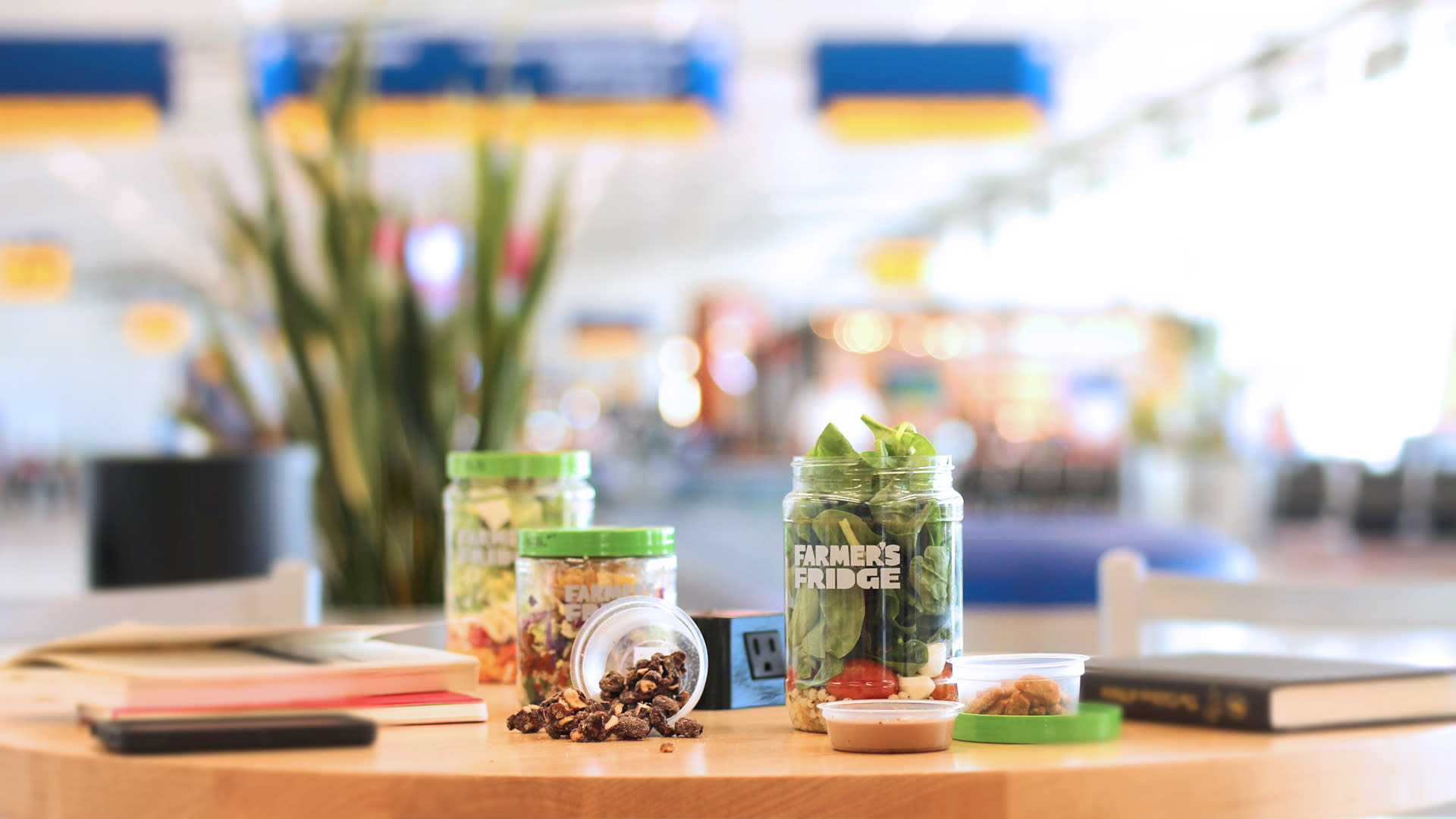
Check the terminal, choose a meal, and pack one small backup.
Check the exact terminal. Use VeggL and HappyCow when they help. Read the airport directory. Pick the strongest food category nearby. Ask direct questions about dairy, egg, stock, lard, fish sauce, honey, mayo, and shared fryers. Buy a full meal when you can, then keep a small backup for the plane or the delay.
Some airports will still be frustrating. Some flights will still have nothing useful onboard. But most travel days get easier when you stop treating the airport like a mystery and start treating it like a set of places you already know how to work.
For more travel help, start in the Roam room and build the kind of vegan travel routine that does not depend on luck.
FAQ
Can you bring vegan food through airport security?
Yes, many vegan foods can go through airport security, especially solid foods such as bars, nuts, crackers, pretzels, fruit, sandwiches, and dry snacks. The problems are liquids, gels, creams, pastes, and spreadable foods over the TSA carry-on limit. Big hummus tubs, dressing bottles, soups, smoothies, yogurt, and large nut butter jars are risky carry-on choices.
For the easiest day, pack solid backup food and buy dips, drinks, or wet foods after security.
Are airport fries usually vegan?
Sometimes. The toppings, seasoning, fryer oil, shared fryers, and coatings determine whether the potato or fries work for you. Ask whether the fries contain dairy or are cooked in a fryer shared with meat, fish, or cheese items. Some vegans are comfortable with shared fryers and some are not. If you are strict about shared equipment, ask before ordering.
What is the safest vegan airport meal to look for?
The most reliable airport vegan options are usually customizable bowls. Mexican bowls with rice, beans, vegetables, salsa, and guacamole are often strong. Mediterranean bowls with grains, hummus, chickpeas, vegetables, and tahini can also work well. Sushi plus edamame, coffee shop oatmeal with fruit and nuts, and a sturdy salad with beans or grains are good backups.
Should I use VeggL or HappyCow at airports?
Yes, use them as lookup tools. VeggL can help when it has an airport or chain guide for the place in front of you. HappyCow can help with vegan and vegan-friendly listings in or near the airport and at your destination. Still verify hours, terminal location, and ingredients. Airport versions of restaurants can have smaller menus than regular locations.
What should I buy if the airport has no vegan meal?
Buy components. Look for nuts or trail mix, fruit, pretzels, chips, crackers, hummus packs if labeled vegan, dark chocolate, roasted chickpeas, bars, and water. If a coffee shop is open, add oatmeal, a bagel, fruit, or coffee with nondairy milk. If you are boarding soon, keep one snack unopened for the plane.