How to Host a Vegan Dinner for People Who Eat Everything
You can host a vegan dinner for people who eat everything and serve one menu to every person at the table. Choose a main dish with enough substance to anchor the meal, add something crisp and something bright, put good bread or another useful starch beside it, and finish with dessert. Guests who usually eat meat and dairy still get a complete dinner, and you get to cook one menu well.
Ask about allergies and strong dislikes before you shop. Then choose food that can wait ten minutes without losing its texture. A baked pasta, cottage pie, curry, braise, or taco filling gives you more room to greet people than a series of individual plates that need constant attention.
A vegan dinner party runs more smoothly when the host can explain the menu in one sentence and finish the last few tasks without leaving the guests for half an hour.
Key Takeaways
- Host a vegan dinner with one complete menu for everyone.
- Choose a main that portions cleanly and stays good while guests settle in.
- Add crisp vegetables, acid, herbs, and crunch so the plate has contrast.
- Ask about allergies, strong dislikes, and drink preferences before shopping.
- Keep the last ten minutes for reheating, dressing a salad, and putting condiments on the table.
- Make dessert vegan from the start.
Serve One Vegan Dinner to Every Guest
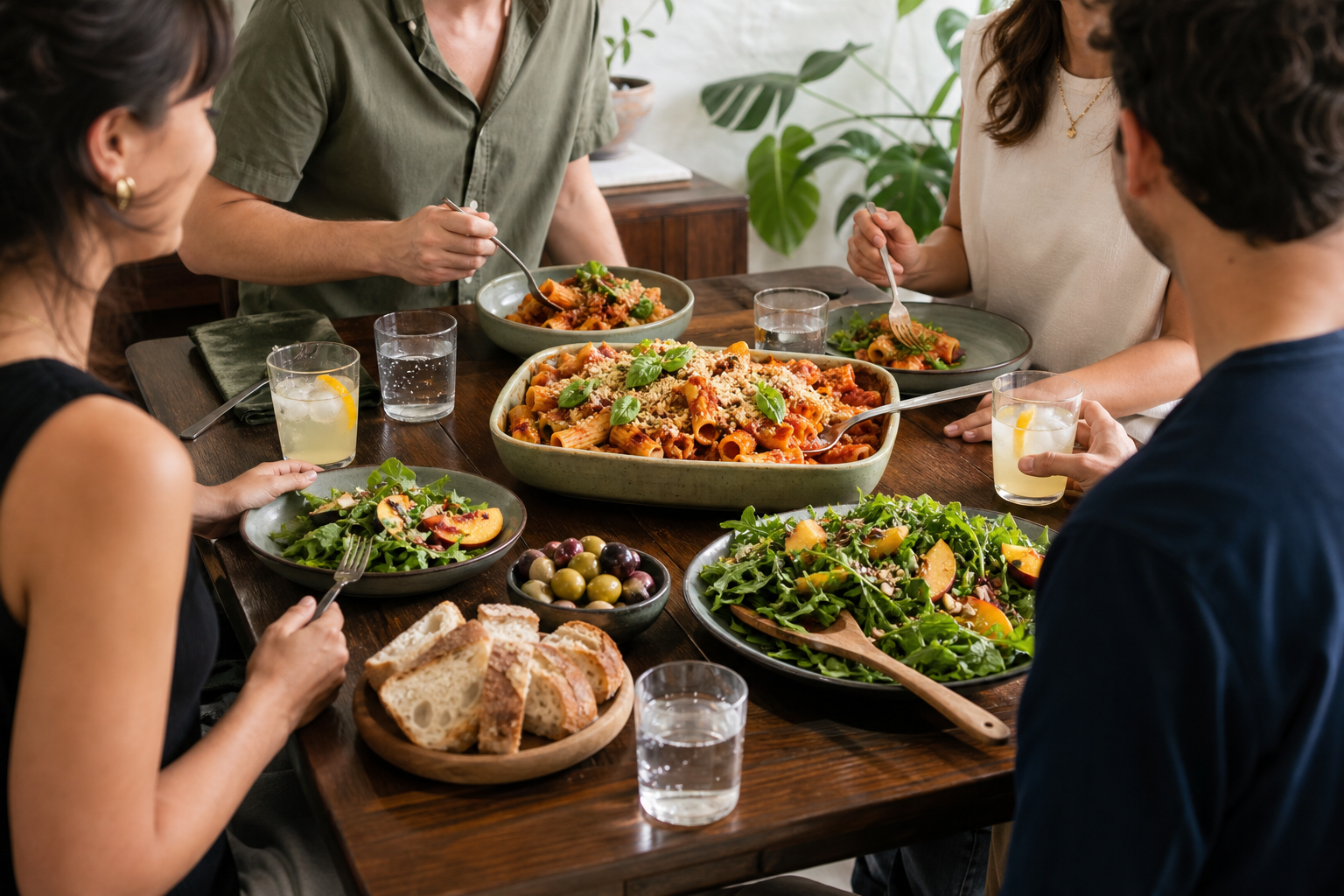
A mixed table does not require a separate non-vegan centerpiece. A second main doubles the work, divides the menu, and gives you another pan to time. Put that effort into a better vegan dinner: a properly seasoned main, a sharp salad, a generous side, and a dessert worth saving room for.
When you host a vegan dinner this way, every dish supports the same meal and reaches the table on the same schedule.
This approach works best when the menu feels complete on its own. A vegetable side enlarged to dinner-party size can still feel like a side. Give the table a dish with a clear serving method and enough substance for a full portion. Baked rigatoni, mushroom and lentil cottage pie, coconut chickpea curry, black bean tacos, tomato-braised white beans, and vegetable stew with bread all make sense as dinner.
For a mixed table, one shared vegan dinner party menu also makes allergies, serving utensils, and timing easier to track.
For more help with the social side of a mixed table, the Vegan Viviendo guide to hosting a mixed table covers invitations, guest expectations, and keeping the meal comfortable.
Let the main dish carry the meal
A strong main answers three questions before guests arrive:
- How will you serve it?
- How much does each person receive?
- Will it still taste good after a short rest?
A pan of baked pasta can be spooned into generous portions. A cottage pie cuts into squares once it rests. Curry and rice can stay covered and warm. Taco filling can wait on low heat while tortillas warm. These foods give the host a useful margin when someone arrives late or the conversation at the door runs long.
A whole cauliflower, squash, or cabbage can look striking, but it rarely carries dinner by itself. Pair it with lentils, beans, grains, potatoes, or a substantial sauce. Good Food's current vegan dinner-party recipe collection includes examples such as roast cabbage with tomato lentils, lentil and sweet potato cottage pie, layered vegetable pie, and stuffed pumpkin. The vegetables get the visual attention, and the supporting ingredients give guests a full meal.
Use a format guests already understand
Familiar formats remove unnecessary explanation. Pasta goes in a bowl. Curry comes with rice and condiments. Tacos arrive with warm tortillas and toppings. Cottage pie needs a serving spoon and a salad. Guests can recognize the meal and start eating.
A dependable vegan dinner party main uses one of these familiar serving patterns and gives every person a full portion.
You do not need a meat substitute to make the dinner feel finished. Use one when you already like the exact product and it suits the menu. Vegan sausage can add savory flavor to baked pasta, and a dependable plant-based ground can work in a taco filling. Skip it when the product is unfamiliar, expensive, or the rest of the menu already has enough substance.
Keep customization at the condiment level. Put chile oil, chopped herbs, lemon or lime wedges, pickles, toasted breadcrumbs, or seeds on the table. Guests can add more heat, acid, or crunch without asking you to change the meal.
Ask About Allergies and Strong Dislikes Before Shopping
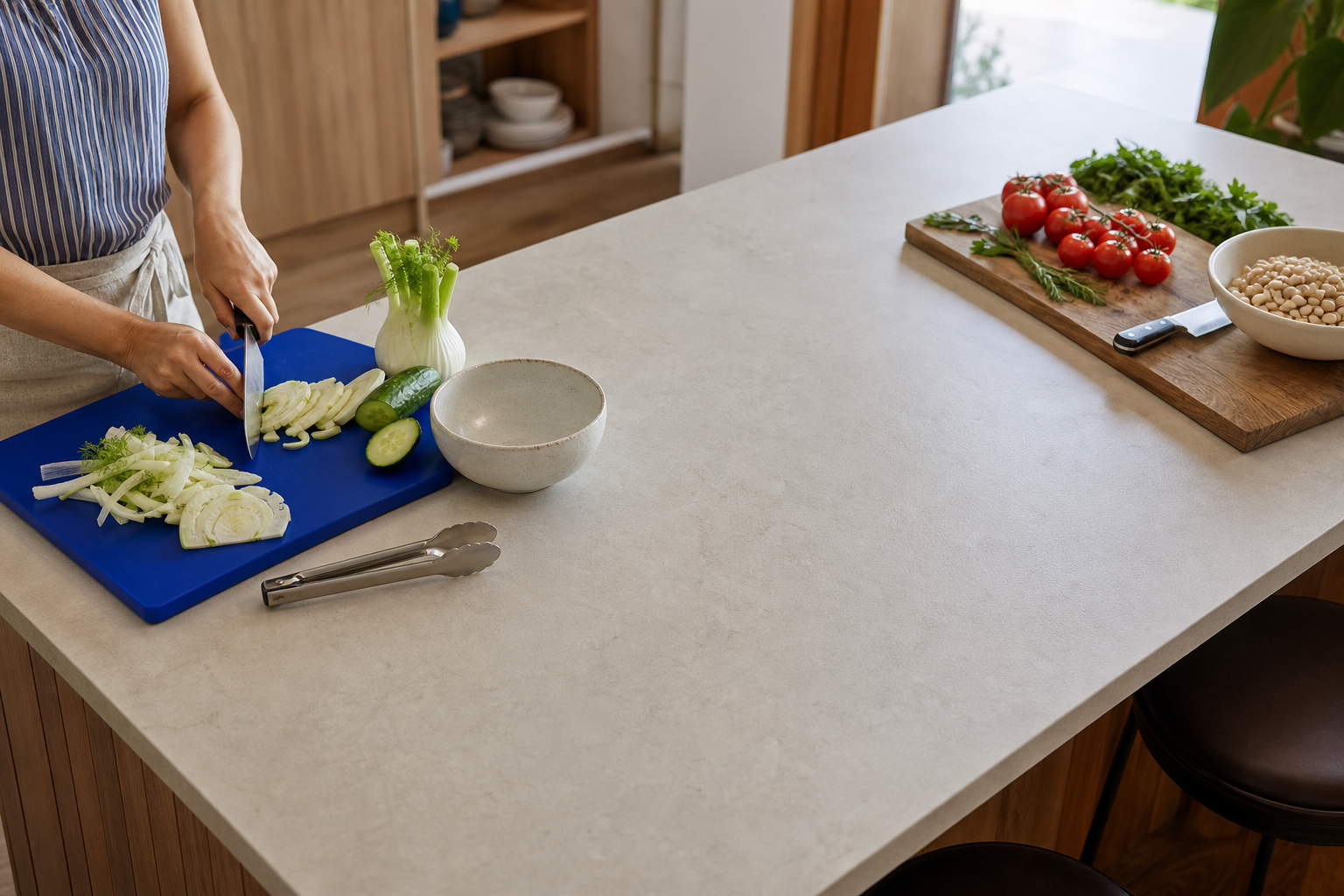
Send one short message when the guest list is settled:
> I am planning dinner now. Do you have any food allergies, preparation concerns, or strong dislikes I should know about? Would you like wine, a nonalcoholic drink, or either?
Keep allergies separate from preferences. A guest who dislikes mushrooms needs a menu adjustment. A guest with a severe sesame allergy may need different ingredients, clean equipment, and strict preparation boundaries.
At a mixed table, the safest vegan dinner menu follows the guest's stated allergy boundaries across as many dishes as possible.
The FDA identifies nine major food allergens in the United States: milk, eggs, fish, crustacean shellfish, tree nuts, peanuts, wheat, soy, and sesame. A vegan dinner removes milk, eggs, fish, and shellfish, but nuts, peanuts, wheat, soy, and sesame appear often in vegan food. The FDA explains the current list and packaged-food labeling requirements in Food Allergies: What You Need to Know.
Ask direct allergy questions
If a guest reports an allergy, ask what the host needs to know:
- Which ingredient or ingredients must be avoided?
- Does the guest need a packaged ingredient to carry a specific allergy statement?
- Is shared equipment acceptable?
- Are products with precautionary statements acceptable?
- Does the guest need the entire meal to follow the same boundary?
- Would the guest prefer to bring a safe component?
Let the guest describe their needs. Do not decide that a small amount is harmless or that removing a garnish solves the problem. Medical needs vary, and the person living with the allergy knows the required boundary.
If your kitchen cannot meet it, say so before dinner. You can agree on a sealed item, a guest-supplied dish, or a different plan. A clear answer gives the guest time to decide.
Prevent allergen cross-contact
Food Allergy Research & Education explains that cross-contact happens when allergen proteins transfer from one food to another. Cooking does not remove that allergy risk. Its cross-contact guidance recommends washing surfaces and utensils with soap and water and using clean equipment for the safe food.
For a home dinner, work through this list:
- Wash the counter, cutting board, knives, bowls, pans, and serving utensils before you begin.
- Read every packaged ingredient label, including stock, bread, chocolate, sauces, spice blends, and garnishes.
- Prepare the allergy-safe food before any food that contains the allergen.
- Keep finished components covered.
- Give every dish its own serving spoon.
- Keep packages or photos of labels available if the guest wants to check them.
A tidy table does not establish allergy safety. The ingredient labels and preparation steps do.
Choose a Main Dish That Can Carry Dinner
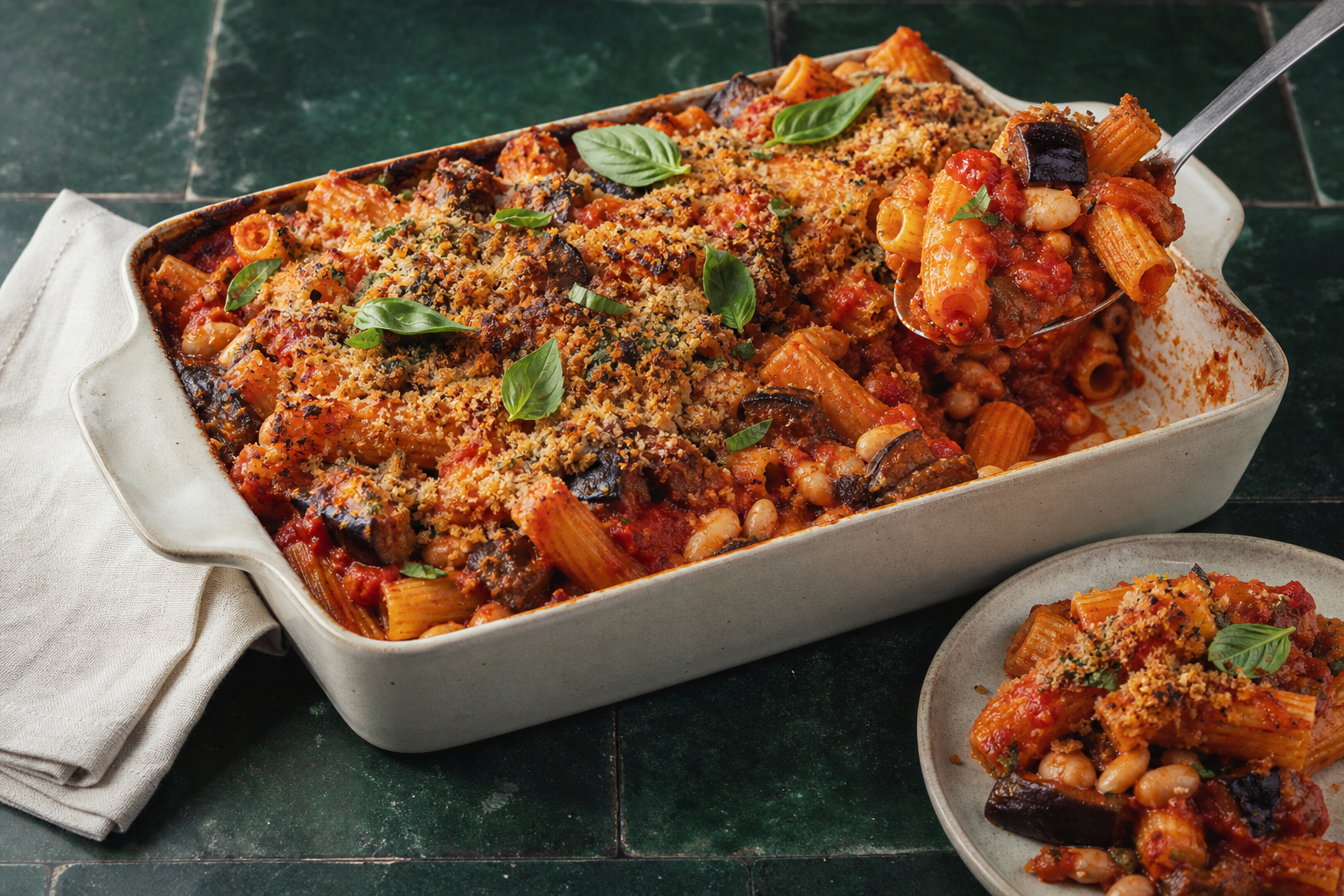
The main should provide a full portion without requiring a string of side dishes to fill the plate. Beans, lentils, tofu, tempeh, pasta, rice, potatoes, and bread can all contribute. Choose the combination that fits the style of dinner and the guests' allergies.
A vegan dinner menu feels complete when the main, sides, and finishing elements work together. Extra dishes cannot repair a weak centerpiece.
Aim for a dish that can be sliced, spooned, or assembled quickly. Individual stuffed vegetables, small fried items, and composed plates create more work for six or eight people. A large baking dish or Dutch oven gives you one thing to monitor.
Give every guest a full portion
For four guests, a standard 9-by-13-inch baking dish usually gives you enough room for generous portions plus some leftovers, depending on the dish. For six, plan a substantial main plus two sides. For eight, use two pans or choose a stew, curry, or taco filling that scales easily in one large pot.
Do not rely on a single delicate vegetable as the center of the plate. Add lentils to a tomato sauce, white beans to a vegetable braise, chickpeas to curry, or mushrooms and beans to a ragù. The dish becomes easier to portion and more satisfying.
Epicurious includes a large pot of ratatouille, bread, and wine as a summer dinner-party direction in its collection of vegetarian and vegan dinner-party mains. We would add white beans to the ratatouille or serve a white bean spread first. The vegetables stay central, and the menu gains a substantial component.
Choose food that can wait ten minutes
Dinner rarely reaches the table at the exact minute on the invitation. Choose dishes that tolerate the delay:
- Baked pasta can rest under loose foil.
- Cottage pie slices more cleanly after a short rest.
- Curry can stay covered over low heat.
- Braised beans can be reheated gently.
- Roasted vegetables can sit in a warm oven.
- A sturdy grain or lentil salad can be dressed in advance.
Bon Appétit's account of a $60 dinner party recommends choosing food you are comfortable making and avoiding a group of recipes that all require different oven temperatures. That is a reliable rule at any budget. Use one main oven temperature, one item that gets dressed at the end, and no more than one burner that needs close attention after the doorbell rings.
Keep risotto, fried food, individual steaks made from plant-based products, and delicate plated dishes for smaller dinners or nights when cooking in front of guests is part of the plan.
Add Texture, Acid, and Freshness
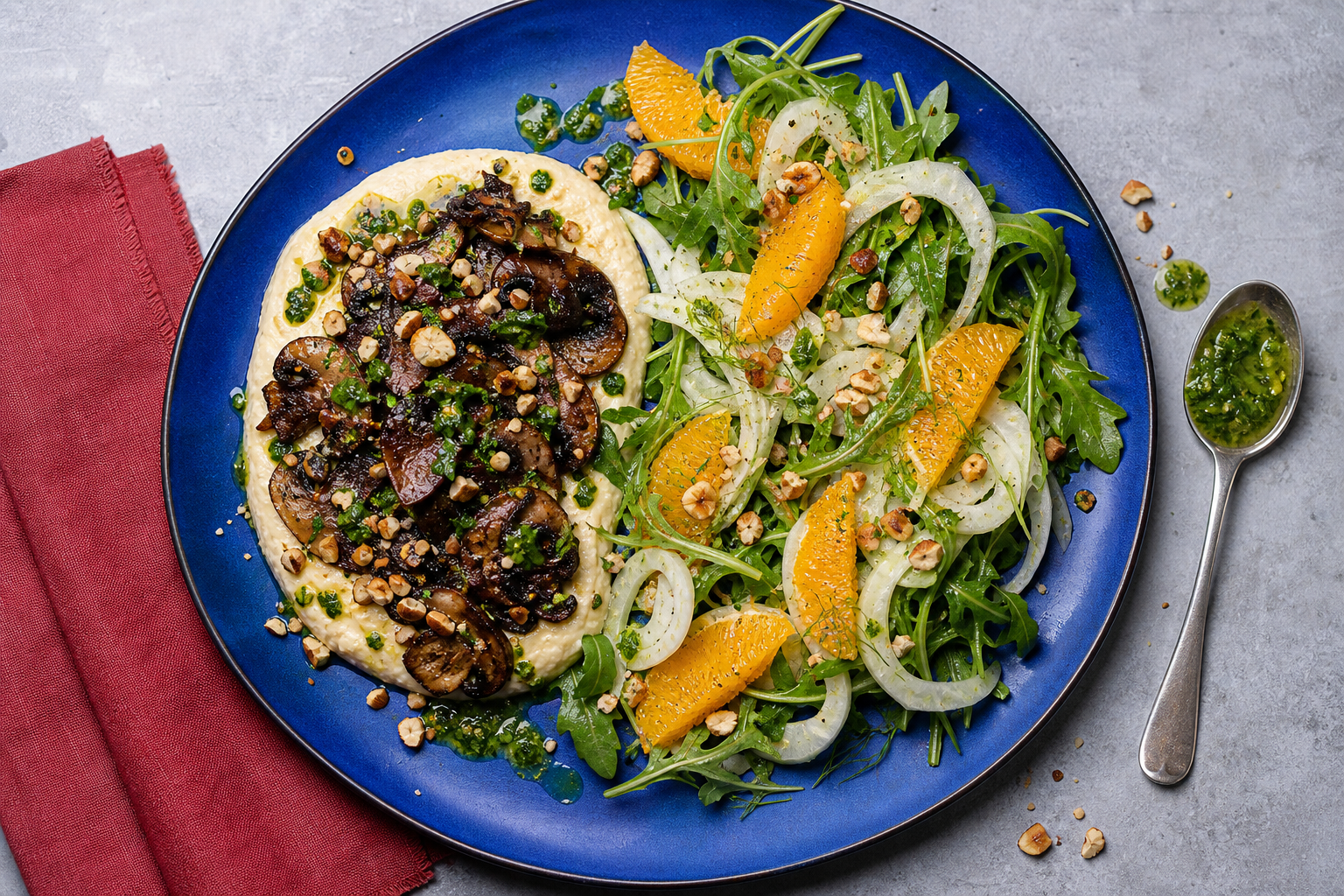
A rich main needs relief. Baked pasta beside garlic bread and roasted potatoes gives you several soft, heavy components. Keep the pasta, then replace one side with a peppery salad, shaved fennel, cucumber, cabbage, pickled onions, or seasonal fruit.
Use the same test for curry, stew, and cottage pie. If the main is creamy or soft, add something crisp. If it is deeply savory, add lemon, lime, vinegar, herbs, or pickles. If it is spicy, add a cool cucumber dish or fruit.
Pair a rich main with a crisp side
The salad does not need ten ingredients. Choose three or four that support the main:
- Arugula, peach, cucumber, basil, and lemon beside late-summer pasta.
- Bitter greens, apple, celery, and mustard vinaigrette beside cottage pie.
- Cucumber, herbs, lime, and sliced chile beside curry.
- Cabbage, radish, cilantro, and lime beside tacos.
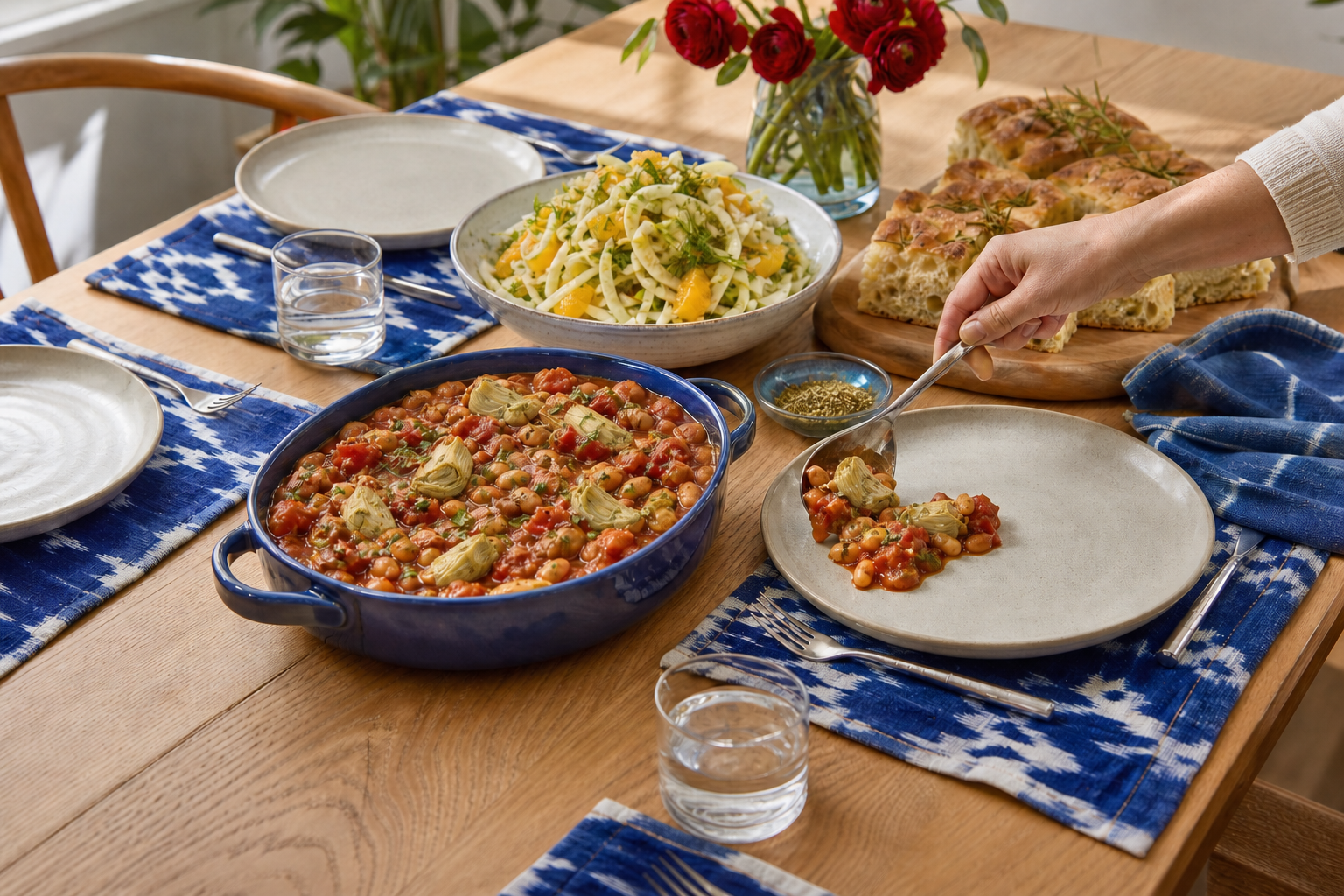
- Fennel, orange, parsley, and olives beside tomato-braised beans.
Wash and dry the greens earlier. Make the dressing in a jar. Combine them when the main is ready to serve.
Put heat, herbs, acid, and crunch on the table
Optional finishing elements make the dinner more flexible:
- Heat: chile oil, sliced fresh chile, or hot sauce.
- Herbs: basil, parsley, cilantro, dill, or mint.
- Acid: lemon wedges, lime wedges, pickled onions, or a sharp vinaigrette.
- Crunch: toasted breadcrumbs, pumpkin seeds, sunflower seeds, or crisp chickpeas.
Check packaged condiments and toppings when an allergy is involved. Keep each spoon with its own bowl.
The Vegan Viviendo flavor guide has more direct fixes for food that needs salt, acid, savoriness, heat, or crunch.
Give Guests a Snack and a Drink When They Arrive
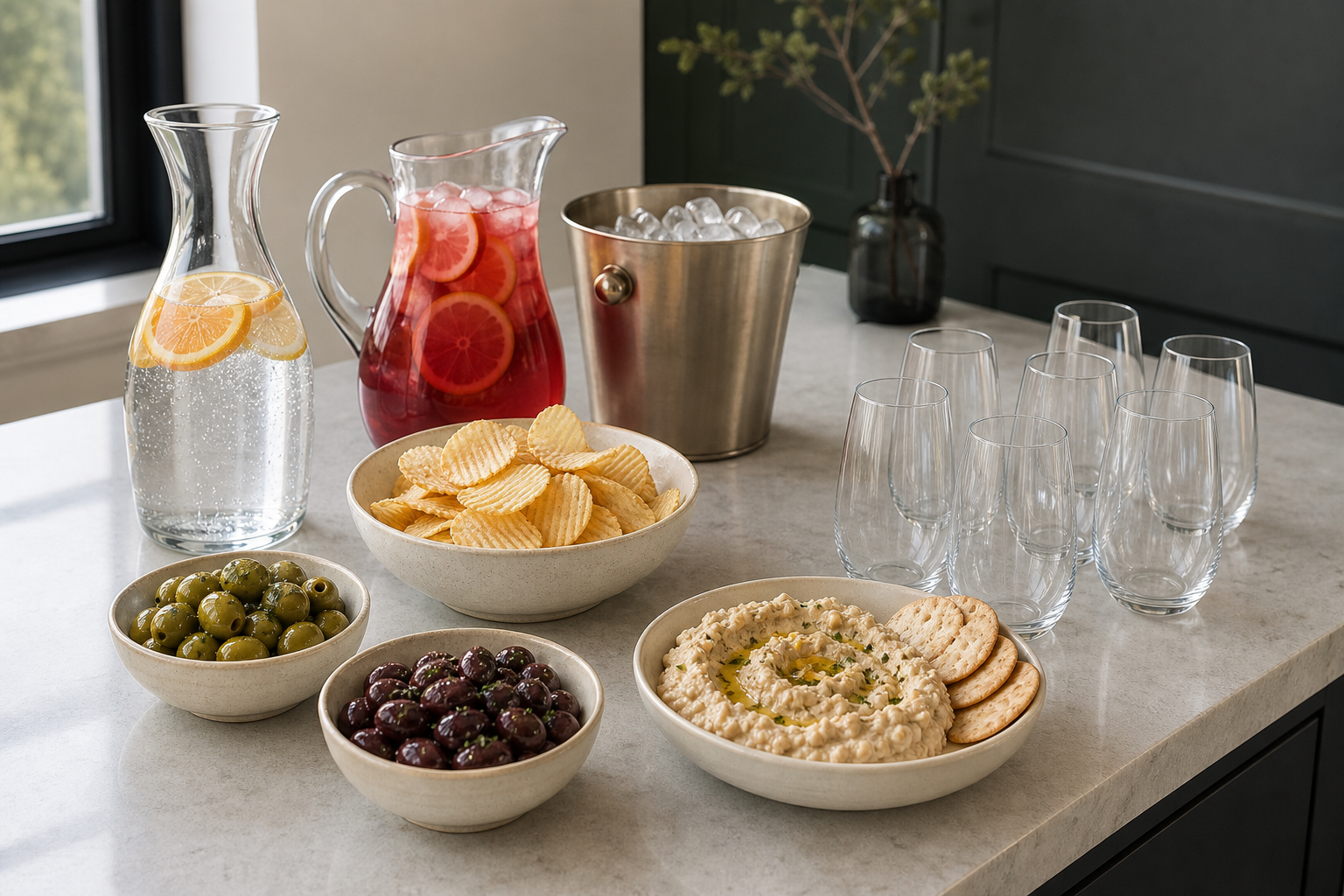
Put out one small snack before you start the final dinner tasks. It gives people something to eat while coats are hung, drinks are poured, and the salad is dressed.
Choose food that can be ready before anyone arrives:
- Marinated olives.
- Good potato chips.
- Crackers and white bean spread.
- Raw vegetables and a sharp herb dip.
- Spiced pumpkin or sunflower seeds.
- Toasted bread with tomato and olive oil.
Avoid a hot appetizer that needs its own cooking cycle. The main still deserves the oven and your attention.
Keep the arrival snack modest
One or two small bowls are enough for four to six people. Refill them only if dinner is delayed. A large grazing board can become another meal to shop for, assemble, label, and store.
If the guest group has allergies, keep the snack within the same safe menu whenever possible. This reduces the number of packages and serving utensils you need to track.
Offer a nonalcoholic drink with the same care
Put cold water and a nonalcoholic option beside any wine or beer. Sparkling water with citrus, chilled hibiscus tea, ginger lemonade, a shrub with soda, or a good alcohol-free aperitif all work.
Ask about preferences before shopping. Some guests do not drink alcohol, and others may want one glass of wine followed by something cold and unsweetened. Give every drink a proper glass and plenty of ice.
Three Complete Vegan Dinner Menus
Choose one of these vegan dinner ideas and adjust it for the season, the guest list, and the kitchen you have. Each menu includes an arrival snack, a substantial main, a crisp side, optional finishing elements, and dessert.
These vegan dinner ideas use different equipment and preparation schedules. The baked pasta suits an oven-centered vegan dinner party, the cottage pie works well when most of the cooking happens a day early, and the curry keeps the final cooking on the stovetop.
Late-summer baked pasta dinner
Arrival
Set out marinated olives, potato chips, sparkling water, and a cold citrus drink. The salty snack buys time without dulling anyone's appetite.
Main
Make baked rigatoni with eggplant, white beans, tomato, basil, and crisp breadcrumbs. Roast the eggplant until browned before it goes into the sauce. Mash a small portion of the white beans into the tomato sauce for body, then keep the rest whole. Finish the top with olive-oil breadcrumbs.
This main works because the pasta gives guests a familiar shape, the beans add substance, the eggplant brings a soft roasted texture, and the breadcrumb top stays crisp. Assemble it earlier in the day. Bake it before guests arrive and let it rest loosely covered.
Among the three vegan dinner ideas here, this one gives summer produce the most room and still feels substantial.
Side
Toss arugula with peach or nectarine slices, cucumber, basil, lemon juice, olive oil, salt, and black pepper. Keep the fruit firm enough to hold its shape.
At the table
Offer chile oil, lemon wedges, chopped basil, and extra breadcrumbs. Warm a loaf of bread only if the group needs a larger meal.
Dessert
Serve vegan lemon cake with berries. King Arthur Baking's tested vegan dessert collection includes lemon cake, chocolate cake, cupcakes, pies, and seasonal options. Bake the cake in the morning and add berries when you serve it.
What to prepare ahead
- One day before: make the tomato sauce and bake the cake.
- Morning of: roast the eggplant, assemble the pasta, make the dressing, and wash the greens.
- Before guests arrive: bake the pasta and chill the drinks.
- At dinner: dress the salad and add the table finishers.
Cool-weather mushroom and lentil dinner
Arrival
Serve white bean spread with checked vegan crackers, celery, and olives. Add a small bowl of toasted seeds if the guest list allows them.
Main
Make a mushroom and lentil cottage pie. Brown the mushrooms in batches so they develop color. Cook onions, carrots, and celery until soft, then add lentils, tomato paste, herbs, and enough stock for a spoonable filling. Cover it with mashed potatoes and bake until the top is browned.
The mushrooms bring savoriness, the lentils give the filling structure, and the potato top makes the dish easy to portion. Assemble the pie the day before. Reheat it until hot, then let it rest before serving.
Choose this vegan dinner idea when you want almost all of the knife work and assembly finished before the day of the gathering.
Sides
Roast carrots with olive oil, mustard, and thyme. Serve bitter greens with apple, celery, and a sharp vinaigrette. These sides keep the plate from becoming uniformly soft.
At the table
Offer chopped parsley, toasted pumpkin seeds, and prepared horseradish if its ingredients have been checked. Put black pepper on the table.
Dessert
Serve chocolate orange gingerbread cake or pear crumble. The cake gives the dinner a more polished finish; the crumble asks less of the host and can warm while the plates are cleared.
What to prepare ahead
- One day before: assemble the pie, make dessert, prepare the dressing, and make the bean spread.
- Morning of: cut the carrots, wash the greens, slice the celery, and chill drinks.
- Before guests arrive: reheat the pie and roast the carrots.
- At dinner: dress the greens and set out the finishing elements.
Low-effort curry dinner
Arrival
Serve papadums or checked vegan crackers with a limey cucumber relish. Put out sparkling water, beer if the group wants it, and a nonalcoholic ginger drink.
Main
Make coconut chickpea and tomato curry with onions, ginger, garlic, warm spices, and lime. Cook it earlier in the day so the seasonings have time to settle. Reheat it gently while the rice cooks.
Use enough chickpeas to give every guest a substantial bowl. If you want another vegetable, add roasted cauliflower or spinach. Keep the curry thick enough to spoon over rice.
This is the most flexible of the vegan dinner ideas when the head count changes or the host has limited oven space.
Sides
Cook basmati rice and make a cucumber-herb salad with lime. Serve chutney, sliced chile, cilantro, toasted seeds, and extra lime at the table.
Dessert
Serve mango sorbet with sliced mango, pineapple, or berries. Check the sorbet label, chill the serving bowls, and keep dessert in the freezer until the table is cleared.
What to prepare ahead
- One day before: make the curry and check the packaged ingredients.
- Morning of: make the cucumber relish and wash the herbs.
- Before guests arrive: reheat the curry, cook the rice, and chill the bowls.
- At dinner: season the cucumber salad and put the finishers on the table.
Use a Cooking Timeline
A written cooking order prevents several dishes from reaching the stove at once. Start with the serving time and work backward.
Use this schedule with any vegan dinner menu, then adjust the baking and reheating times for the chosen main.
One or two days before
- Confirm the number of guests, allergies, strong dislikes, drinks, and arrival time.
- Choose one vegan dinner menu.
- Write the ingredient list by grocery section.
- Check every packaged ingredient when an allergy is involved.
- Make a dessert that holds well.
- Make dressings, dips, pickles, and toasted toppings.
- Put clean leftover containers where you can reach them.
The morning of the dinner
- Assemble the main or cook the part that reheats well.
- Wash and dry greens and herbs.
- Cut sturdy vegetables.
- Chill drinks.
- Clear a shelf in the refrigerator.
- Set out platters, serving bowls, spoons, and trivets.
Two hours before dinner
- Bake, braise, or reheat the main.
- Set the table.
- Prepare the side dishes that hold well.
- Check that every hot dish has a lid or foil cover.
- Put water, glasses, and napkins in place.
Forty-five minutes before dinner
- Set out the arrival snack.
- Open any wine and prepare the nonalcoholic drink.
- Warm bread if the menu includes it.
- Move cold salads and dips back to the refrigerator until serving.
Ten minutes before dinner
- Check the main.
- Dress the salad.
- Fill the condiment bowls.
- Add fresh herbs to the dishes that need them.
- Carry the food to the table and sit down.
If a dish needs a final broil, make it the only active cooking task. Do not plan a broiled main, fried appetizer, sautéed side, and warm dessert for the same ten-minute window.
Serve and Store the Food Safely
Keep the main covered and warm until the group sits down. Leave cold salads and dips in the refrigerator until close to serving. If dinner will remain on a buffet or counter, use smaller serving dishes and refill them.
FoodSafety.gov advises keeping hot food at 140°F or above and cold food at 40°F or below when food remains out for service. It also advises refrigerating perishable food within two hours: Spring Holidays Are for Family Feasts, Not Pesky Bacteria Guests.
Refrigerate leftovers promptly
Move leftovers into the refrigerator within two hours. Do not leave the curry, baked pasta, dips, or cut fruit on the table through a long evening.
Divide large amounts into smaller, shallow containers so they cool faster. FoodSafety.gov recommends shallow containers for cooked leftovers and advises using refrigerated leftovers within four days: Leftovers: The Gift That Keeps on Giving.
Send food home in containers you can spare. Label any dish that has an allergy concern or ingredient the guest asked about.
Make Dessert Vegan From the Start
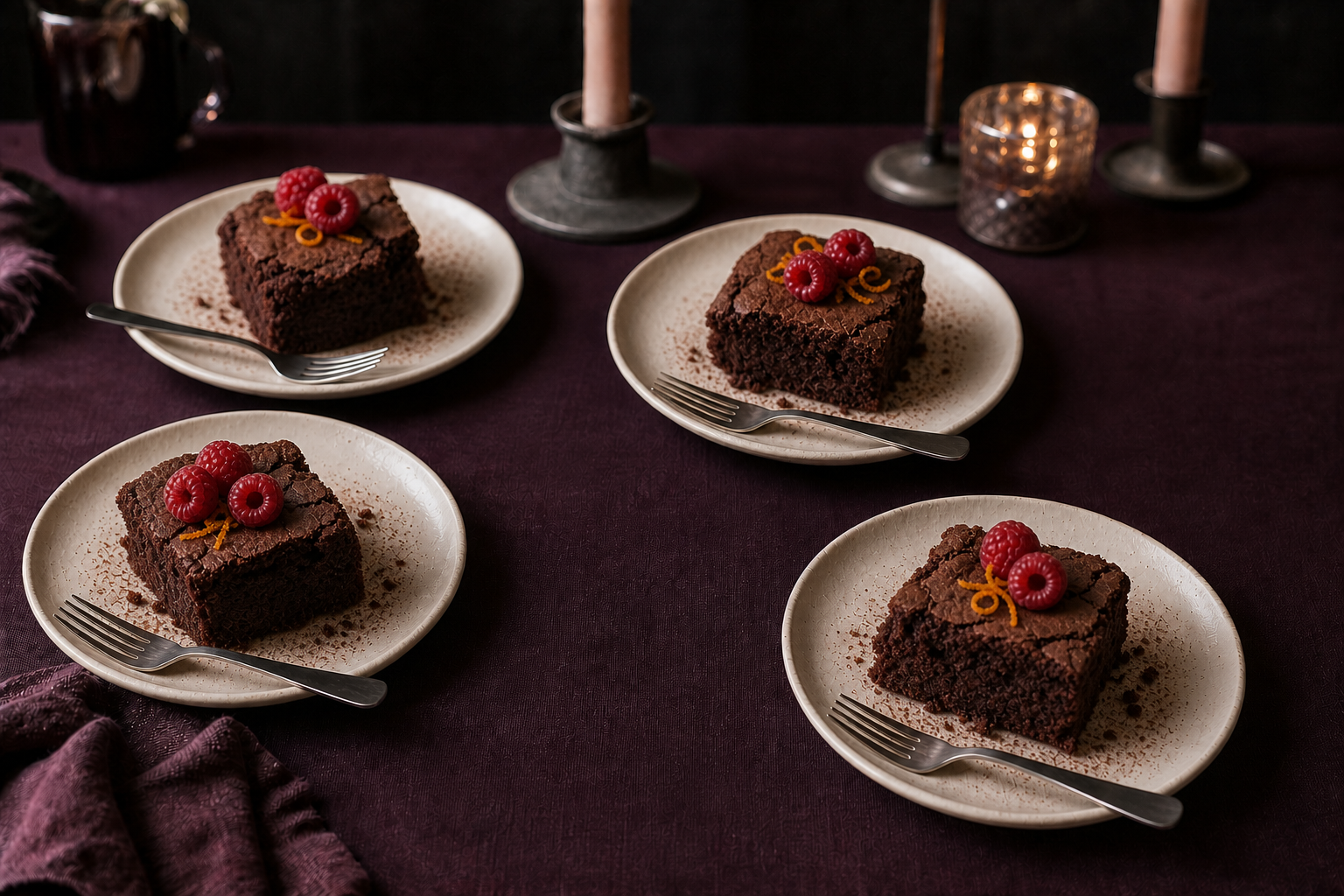
One dessert for everyone gives the meal a proper ending. Choose something you can finish before dinner:
- Chocolate cake with berries.
- Lemon cake with seasonal fruit.
- Apple, pear, peach, or berry crumble.
- Chocolate tart.
- Olive-oil cake.
- Sorbet with fresh fruit.
- Cookies and a simple fruit compote.
Check chocolate, cookies, pastry, and packaged garnishes for dairy, egg, honey, and any guest allergens. If you buy dessert from a bakery, ask about the exact item and cross-contact boundaries that matter to the group.
Clear the plates, serve dessert, and bring coffee or tea afterward. Put plant milk and sweeteners in small pitchers or bowls so you only make one trip.
Conclusion: Choose the Menu and Write the Cooking Order
To host a vegan dinner with less last-minute work, pick one vegan dinner menu, ask the guests about allergies and strong dislikes, and write the cooking order before you buy groceries. Keep the final tasks small enough that you can sit down with everyone else.
The three vegan dinner ideas above cover an oven dinner, a make-ahead dinner, and a stovetop dinner. Choose the one that fits your kitchen and calendar.
The Vegan Viviendo guide to family, dating, and the people has more help for conversations and shared meals that need a little care.
If vegan life feels harder around other people, you are not the only one. Subscribe and get The Things Nobody Tells You, plus new guides for making this feel easier.
Frequently Asked Questions
Should I serve a meat substitute to non-vegan guests?
Only when you like the exact product and it improves the menu. A plant-based sausage can add flavor to baked pasta, and a dependable ground can make taco night easier. You do not need either one for mushroom and lentil cottage pie, chickpea curry, tomato-braised beans, or a bean-enriched baked pasta.
Do not try a new meat substitute for the first time at the dinner. Cook it once beforehand so you know how it browns, seasons, and holds.
How much food should I make for a vegan dinner party?
For four people, make a main that gives four full servings plus a little extra, one substantial side, one crisp side, and dessert. For six, increase the main and keep two sides. For eight, use two baking dishes or a large pot of curry, stew, or taco filling.
Plan extra rice, bread, pasta, or potatoes when the group includes large appetites. These are easy to scale and useful with leftovers. Keep the arrival snack small so it does not distort the amount people eat at dinner.
If you host a vegan dinner for eight, write down the pan size, pot capacity, and number of servings before you shop.
What should I do if a guest has a nut, soy, sesame, or gluten allergy?
Ask the guest to describe the exact preparation boundary. Clean the kitchen tools and surfaces, read every package, prepare the safe food first, keep it covered, and use separate serving utensils. Do not assume that removing a topping fixes food that has already had cross-contact.
Choose a menu that avoids the allergen across most or all dishes when possible. A single-menu approach reduces the number of packages, utensils, and serving decisions you need to track.
If your kitchen cannot meet the guest's requirements, tell them before the event and agree on another safe arrangement.
Can I ask guests to bring a dish?
Yes. Give each person a specific assignment such as a salad, bread, dessert, ice, or a nonalcoholic drink. Specific assignments prevent four appetizers and no dessert.
For a group with serious allergies, a potluck creates more kitchens and ingredient lists to verify. Discuss that risk with the guest before assigning food. A sealed item or host-prepared meal may be easier to manage.
What is the easiest vegan dinner-party main?
Curry with rice is the most forgiving when you want to cook ahead and adjust the quantity. Baked pasta feels familiar and works well when you have enough oven space. Mushroom and lentil cottage pie suits colder weather and can be assembled a day ahead.
Choose the dish you have made before. Familiarity with the pan, stove, and timing will help more than a complicated recipe saved for a special occasion.