
Ready
Read the small print without turning it into homework.
Personal-care labels are not food labels. The names are longer, the sources can be less obvious, and a single vague ingredient can waste your time. Learn the animal-derived ingredients most worth noticing, then know when a vegan claim, certification, or brand answer is more useful than guessing.
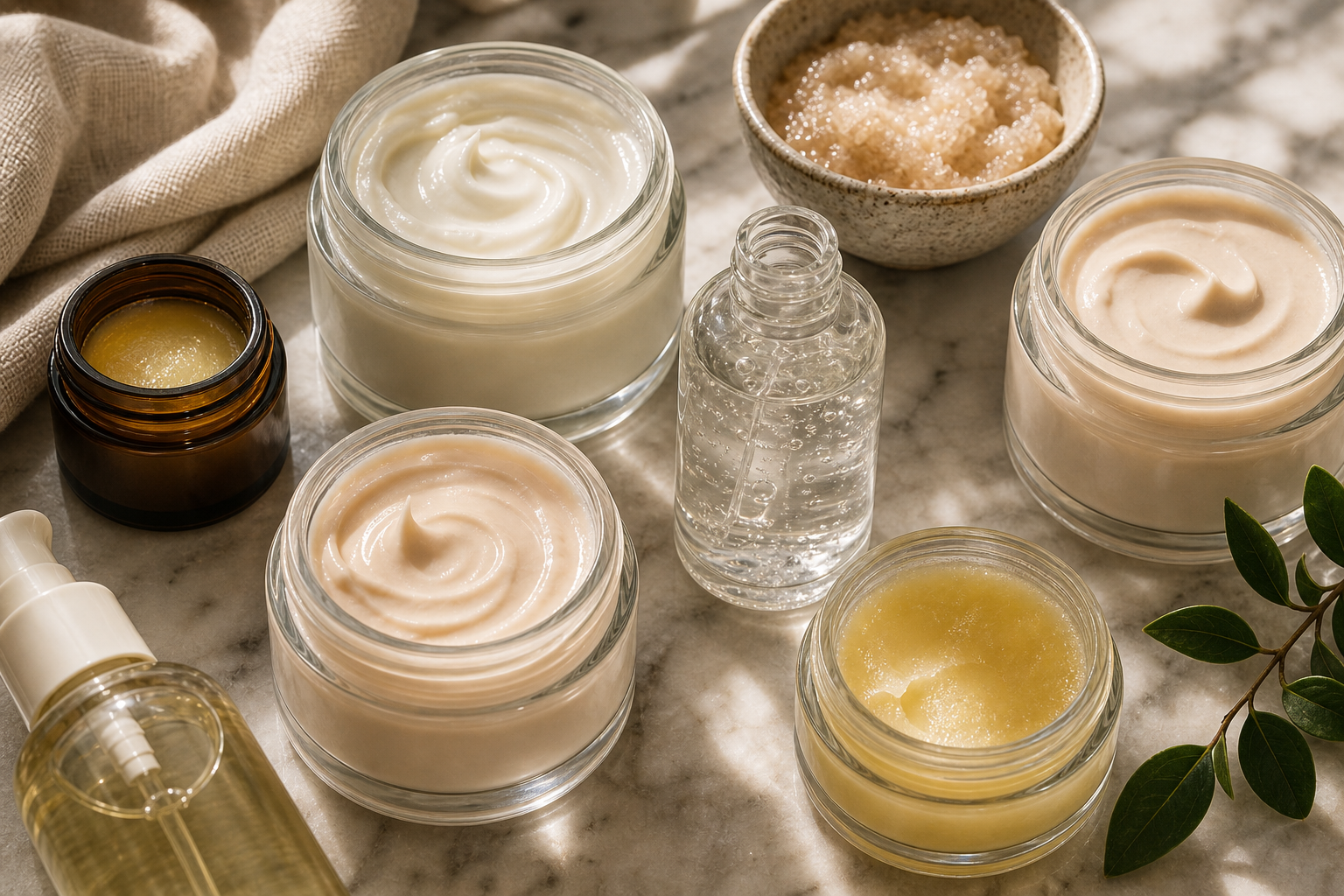
You do not need to memorize the whole dictionary.
There are too many cosmetic ingredients to treat every label like a final exam, so read by category. Pigment is where carmine, cochineal, CI 75470, Natural Red 4, and E120 matter. Texture and moisture are where beeswax, lanolin, honey, milk proteins, collagen, shellac, tallow, and rich balm language deserve a closer look. Hair repair is where keratin, silk proteins, collagen, elastin, and honey show up. Tools and materials need their own check for animal hair, leather, horn, shell, and silk. Ambiguous chemistry like glycerin, stearic acid, squalane, or fatty acids is usually better answered by a vegan claim or brand answer than by guessing.
A product can look clean and still fail the check. A product can also look clinical and be fine. The label is not about the packaging mood. It is about what is in the current product.
If a brand gives a clear vegan claim for the exact product, that may be more useful than trying to decode every ambiguous ingredient yourself. Use the label and the claim together: the label tells you what is in the product, and the claim tells you what the brand is willing to confirm.
Pay extra attention to red and pink pigments.
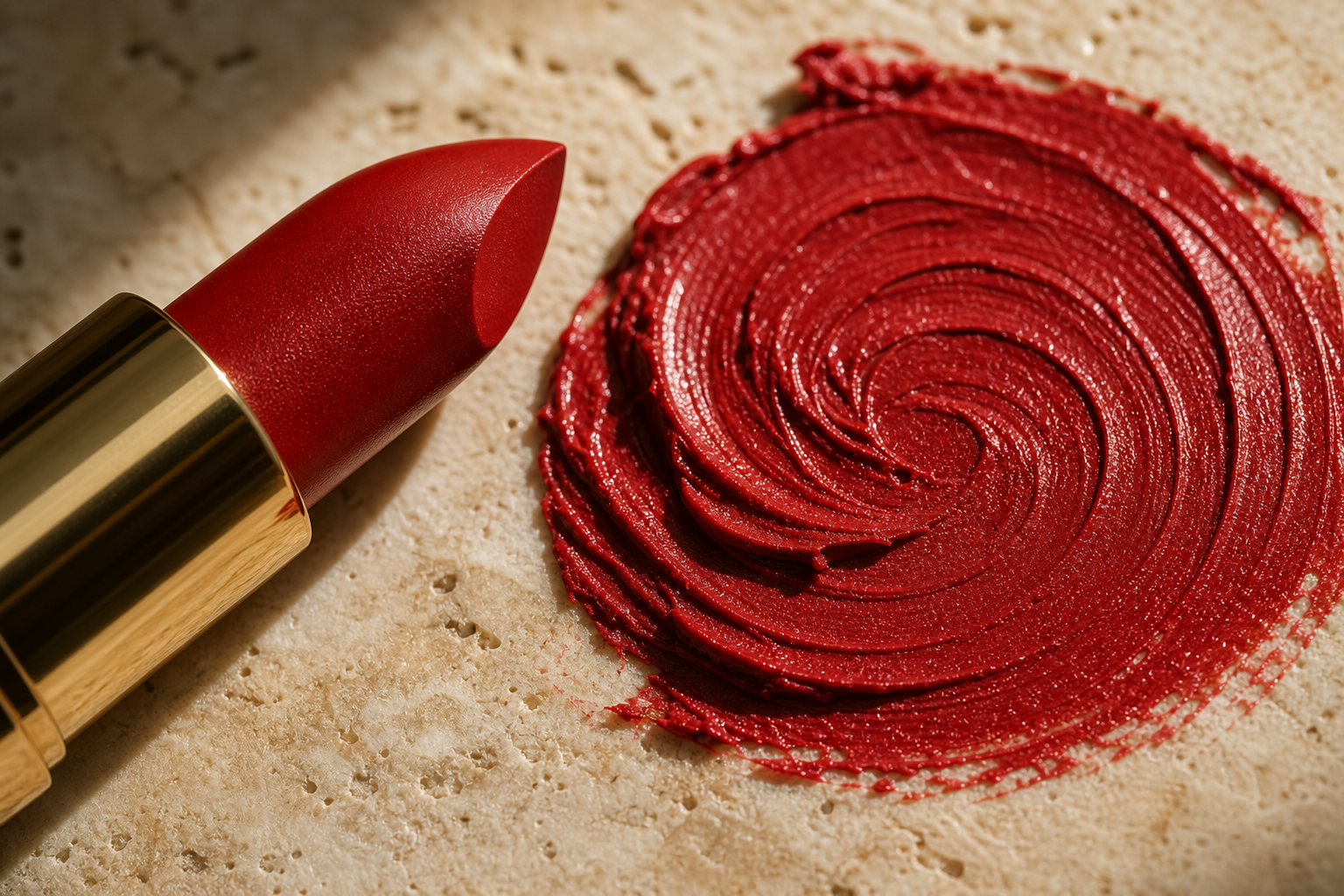
Makeup deserves special attention because color can come from animal-derived sources. Carmine, sometimes listed as cochineal extract, is a red pigment derived from cochineal. It can appear in lipstick, blush, eye products, and nail color.
Not every red product uses carmine, and many vegan makeup lines avoid it completely. The point is not to fear red pigment. It is to know the name to look for and prefer clear vegan labeling when color cosmetics are involved.
The label check.
Use this on the products most likely to be confusing, then stop when the product gives you a clear answer.
Color cosmetics
Look for carmine, cochineal, CI 75470, Natural Red 4, and E120, especially in reds, pinks, berries, warm tones, and high-pigment products.
Moisture and texture
Check for beeswax, lanolin, honey, milk proteins, collagen, and tallow-derived ingredients when the product promises balm, repair, richness, gloss, hold, or barrier support.
Hair repair
Watch keratin, silk protein, collagen, elastin, and honey language in strengthening, smoothing, and repair products.
Tools
Brushes can use animal hair. Razors, cases, combs, bags, and accessories can use leather, horn, shell, silk, or unclear materials.
Ambiguous ingredients
If the only issue is glycerin, stearic acid, squalane, or fatty acids, a vegan certification or brand answer is often more useful than guessing from the name alone.
Look closer
Carmine is why the label matters.
A lipstick can look botanical and harmless while using an insect-derived red pigment. Once you know the names to look for, the label becomes easier to use.
Latest
Latest on this topic.
New notes, finds, and updates connected to this guide.

Aug 20, 2026
10 Vegan Beauty Products Worth Buying at Target
These 10 vegan beauty products at Target are worth buying, with exact formula checks, Target-exclusive finds, prices, performance, and clear caveats.
Read post
Aug 6, 2026
10 Vegan Lip Balms: Clear, Tinted, Plastic-Free, and More
A cruelty-free lip balm can still contain beeswax or lanolin, honey, or carmine, which may appear as CI 75470. Cruelty-free standards address…
Read post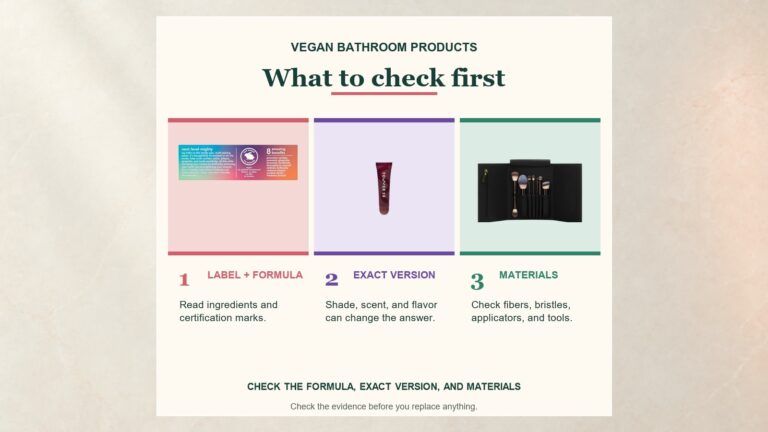
Jul 28, 2026
Vegan Bathroom Products: What to Check First on Your Shelf
Start with lip products, color cosmetics, heavy balms, and hair repair treatments. Check formula and animal-testing status separately, then sort one shelf…
Read postGet the good vegan stuff.
Subscribe for new posts, seasonal guides, smart finds, and a free copy of The Things Nobody Tells You.
Read next.
Stay in the Ready room and follow the next useful door.
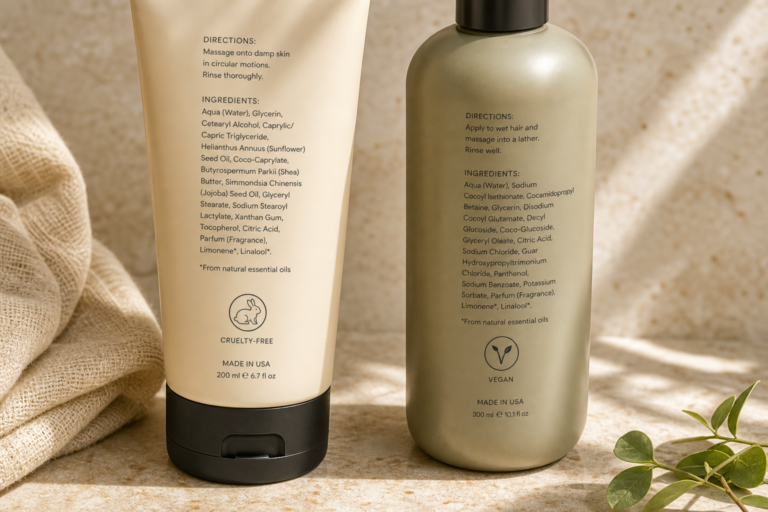
Cruelty-Free Is Not Vegan
A guide to the difference between cruelty-free and vegan personal-care claims.

Tools and Things People Forget
A practical vegan guide to checking makeup brushes, razors, combs, shaving tools, travel cases, makeup bags, hair accessories, and other overlooked bathroom objects.
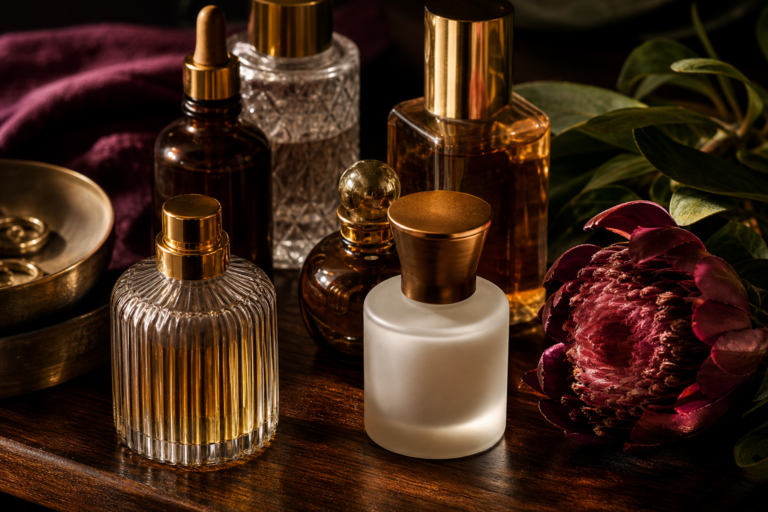
Fragrance, In All Its Forms
A practical vegan guide to perfume, cologne, scented personal care, candles, room spray, incense, wax melts, note lists, and fragrance claims.
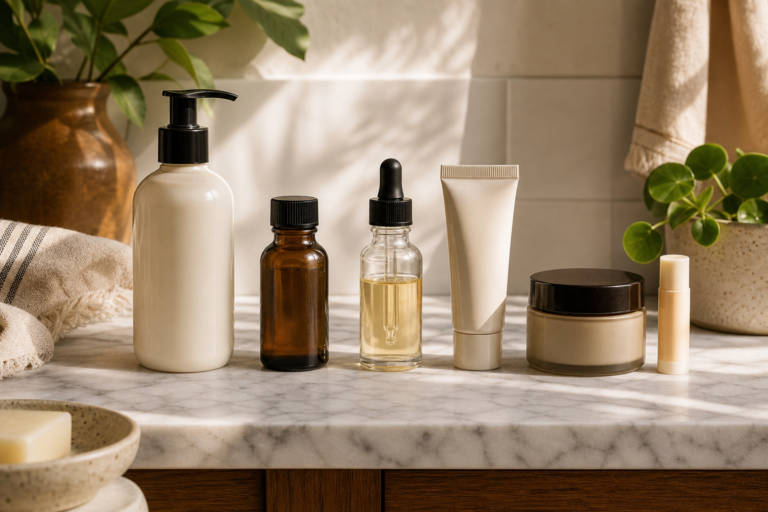
Building a Vegan Routine
A guide to building a vegan skincare, makeup, hair, and daily personal-care routine without overbuying.
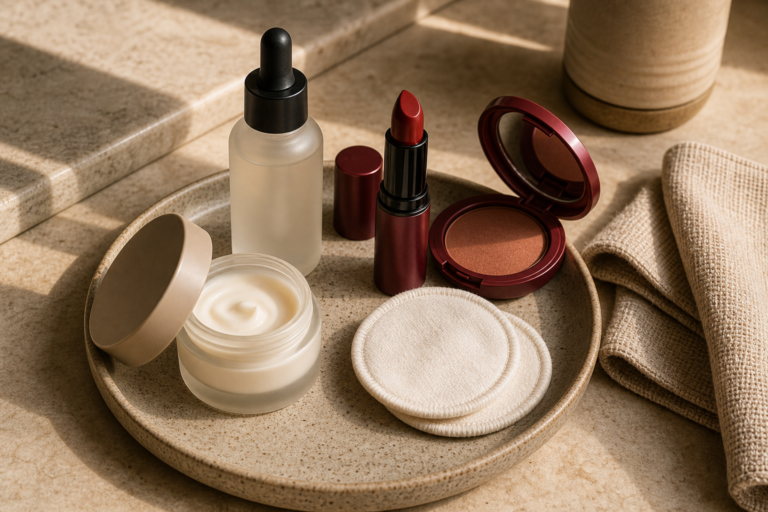
The Edit: Ready
A vegan personal-care buying standard for skincare, makeup, hair, scent, and daily routine products.