
Ready
Two claims. Check both.
Cruelty-free and vegan are related, but they do not answer the same question. One is about testing. The other is about ingredients. A product should make both clear before you trust the front label.
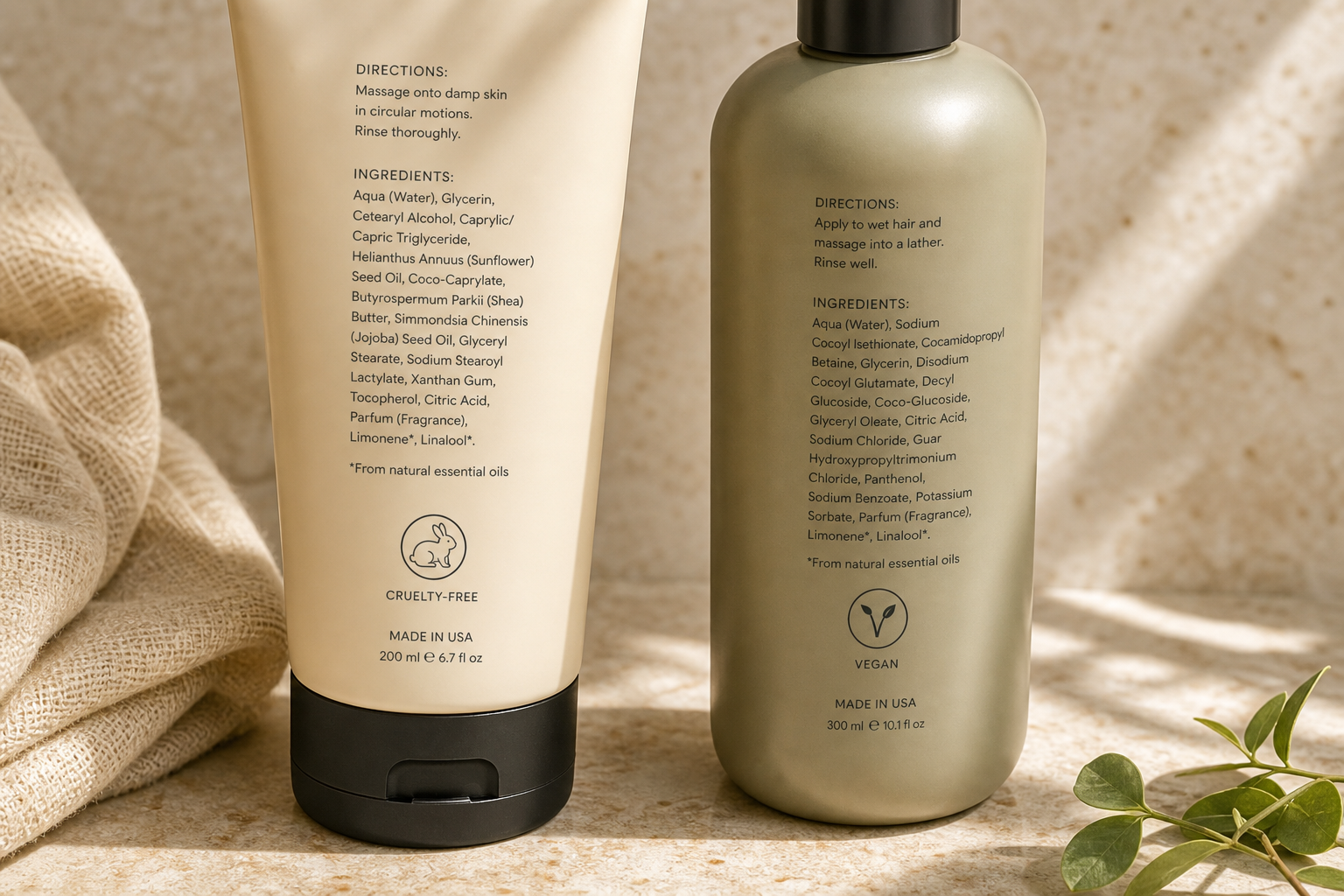
The front label can skip half the answer.
A product can be cruelty-free and still contain beeswax, lanolin, carmine, collagen, keratin, silk, milk proteins, honey, shellac, or another animal-derived ingredient. It can also be vegan while the brand’s testing policy is unclear. One claim cannot do both jobs.
The best answer gives both: a clear vegan ingredient claim and a credible animal-testing policy. If the product only gives one of those, you have learned something, but there is still one open question.
In the U.S., cruelty-free and not tested on animals are not legally defined cosmetic-labeling terms, so the important question is what the brand actually means by the claim.
Do not treat a bunny icon, a leaf, a green bottle, or the word natural as the full answer. Ask exactly what the claim covers and what it leaves out.
Where this gets confusing.
Makeup and personal care often use ingredients that sound cosmetic, not animal-derived: carmine for red pigment, lanolin for moisture, beeswax for texture, keratin for hair repair, collagen for plumping, and silk protein for softness.
Testing claims can be narrow, too. A brand may avoid finished-product animal testing while suppliers, contract labs, older raw-material testing, or the brand’s own definition of the claim still make the policy worth checking closely. You do not need to investigate every soap. You do need to notice when a product answers ingredients but not testing, or testing but not ingredients. If a mascara says cruelty-free but not vegan, check pigment, waxes, and the exact product details. If a moisturizer says vegan but gives no testing policy, the ingredient question may be answered while the testing question stays open.
The claim check.
Use this order before trusting the front label.
Vegan ingredients
Does the exact product say vegan, or does the ingredient list avoid the obvious animal-derived ingredients? Do not assume the whole brand is vegan because one item is.
Animal testing
Does the brand explain its testing policy clearly, or use a certification you trust? A bunny icon is not the same as a clear policy.
Exact product
A vegan product from a brand does not mean every product from that brand is vegan. Check the item you are actually buying.
Current formula
Personal-care formulas change. Old blog posts, old packaging, and old brand answers can become stale.
Ambiguous claim
If the claim is only natural, clean, botanical, conscious, kind, gentle, or plant-powered, keep checking.
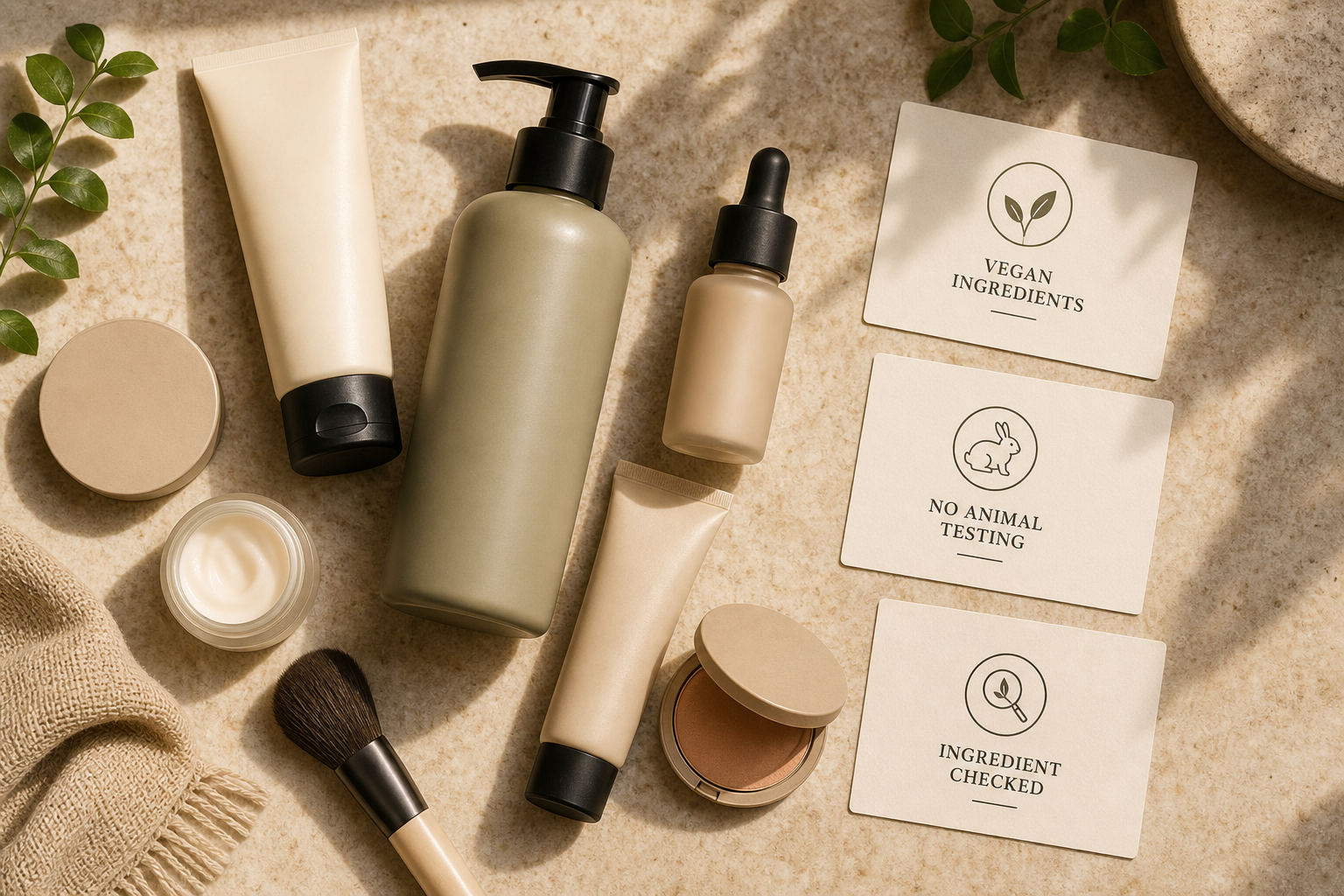
Look closer
A mark only helps when you know what it covers.
A certification can save time, but it is not decoration. Learn whether it covers animal-derived ingredients, animal testing, or both. Then let the mark answer the question it actually answers.
Latest
Latest on this topic.
New notes, finds, and updates connected to this guide.
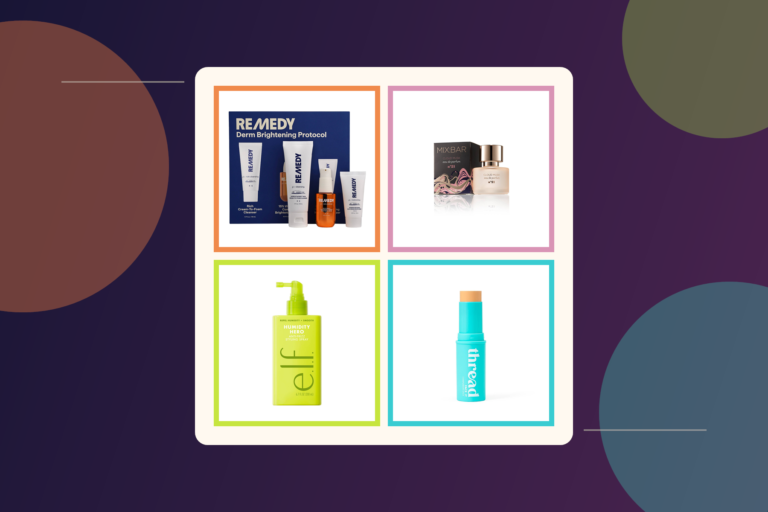
Aug 20, 2026
10 Vegan Beauty Products Worth Buying at Target
These 10 vegan beauty products at Target are worth buying, with exact formula checks, Target-exclusive finds, prices, performance, and clear caveats.
Read post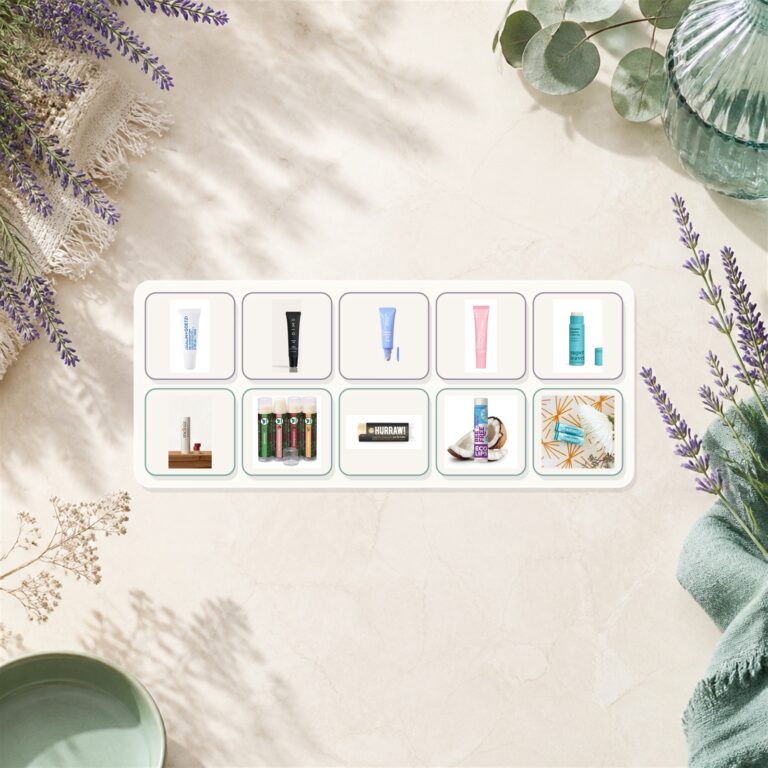
Aug 6, 2026
10 Vegan Lip Balms: Clear, Tinted, Plastic-Free, and More
A cruelty-free lip balm can still contain beeswax or lanolin, honey, or carmine, which may appear as CI 75470. Cruelty-free standards address…
Read post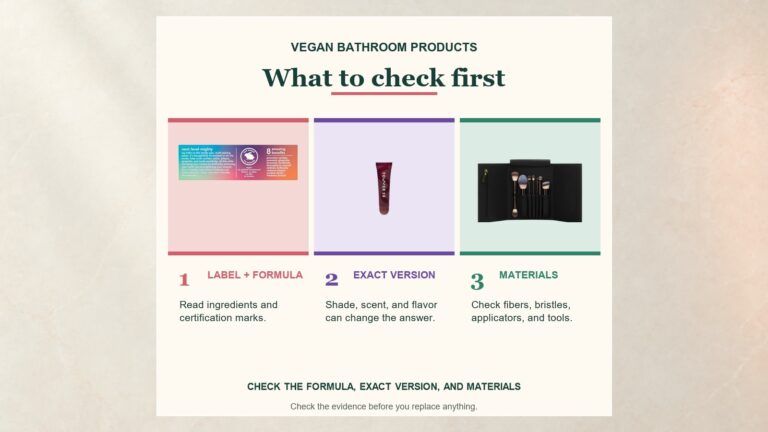
Jul 28, 2026
Vegan Bathroom Products: What to Check First on Your Shelf
Start with lip products, color cosmetics, heavy balms, and hair repair treatments. Check formula and animal-testing status separately, then sort one shelf…
Read postGet the good vegan stuff.
Subscribe for new posts, seasonal guides, smart finds, and a free copy of The Things Nobody Tells You.
Read next.
Stay in the Ready room and follow the next useful door.
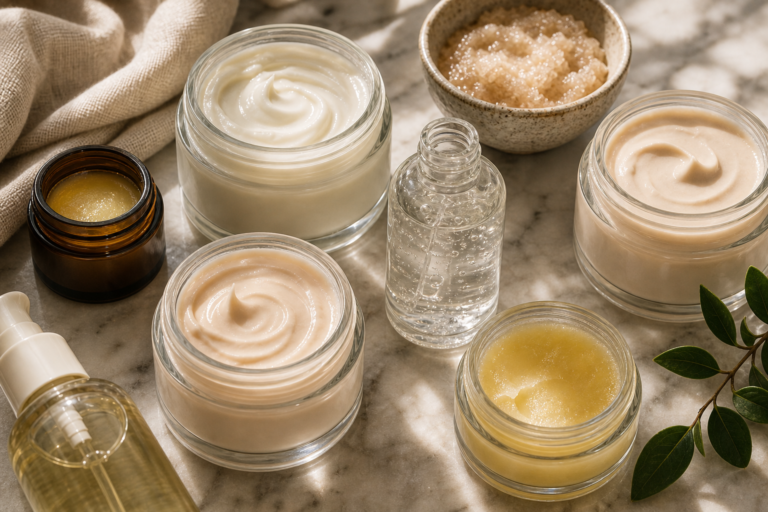
Reading a Personal-Care Label
A vegan guide to reading personal-care labels for animal-derived ingredients and unclear claims.
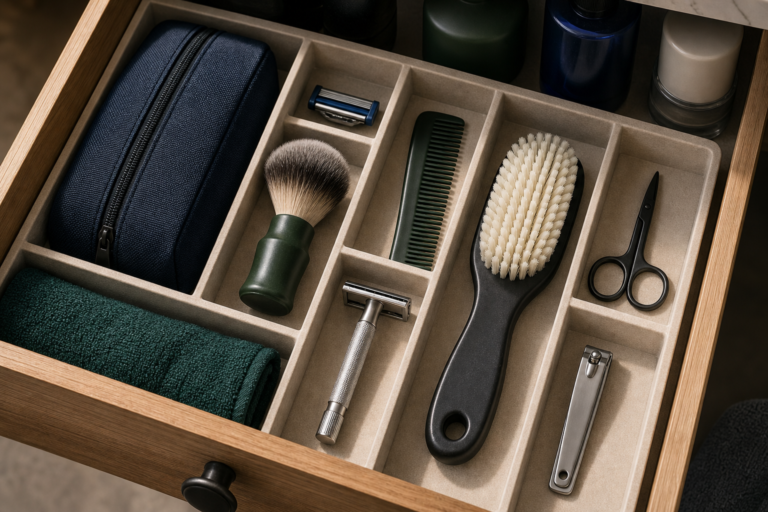
Tools and Things People Forget
A practical vegan guide to checking makeup brushes, razors, combs, shaving tools, travel cases, makeup bags, hair accessories, and other overlooked bathroom objects.
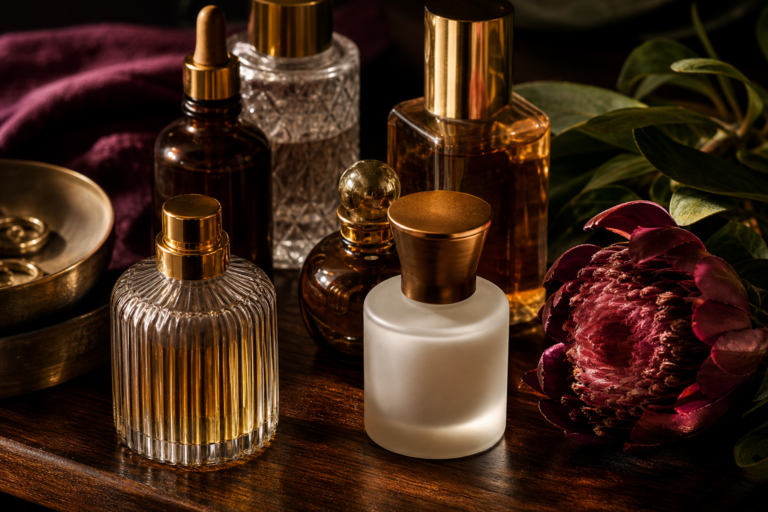
Fragrance, In All Its Forms
A practical vegan guide to perfume, cologne, scented personal care, candles, room spray, incense, wax melts, note lists, and fragrance claims.
Building a Vegan Routine
A guide to building a vegan skincare, makeup, hair, and daily personal-care routine without overbuying.
Ready
Personal care, cruelty-free claims, labels, makeup, hair, scent, and routines.