
Eat
Start with one clean jar.
Fermentation adds tang, depth, crunch, preservation, and a way to make simple vegetables better over time.
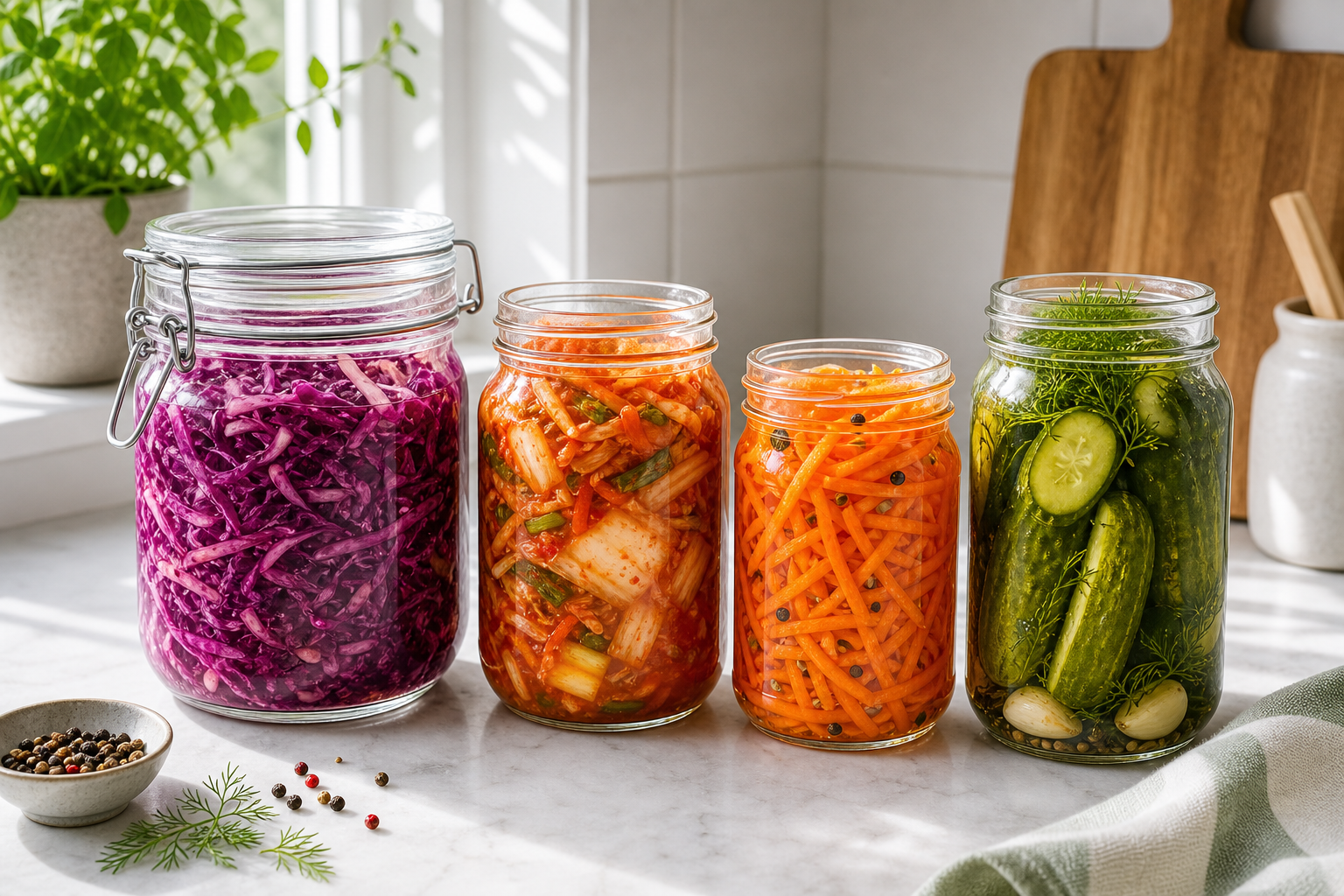
Fermentation is another way to build flavor.
You do not need a cellar, a crock collection, or a whole new identity. A clean jar, vegetables, salt, and patience can get you very far.
For vegan cooking, fermentation is especially useful because it creates the sharp, savory flavors that make simple food taste complex: sour cabbage on beans, kimchi in rice, cultured cashew cheese on toast, pickles beside something rich.
Start with something you already know how to eat. A jar of sauerkraut is useful if you eat bowls, beans, toast, potatoes, or sandwiches. A ferment that sits untouched in the back of the fridge is just a science project.
Start with vegetables.
Vegetable ferments are the easiest place to start: sauerkraut, quick kimchi-style vegetables, fermented carrots, garlic dill pickles, hot sauce, or a mixed jar of whatever is sturdy and fresh.
The basic rhythm is salt, submerge, wait, taste, and refrigerate when it is where you like it. The details matter, but the rhythm is simple. Follow a tested ratio at first so you are not guessing.
Starter ferments.
Begin with the ones that teach the most without special equipment.
Sauerkraut
Cabbage and salt teach the core method: massage, pack, submerge, wait, taste. It is cheap, forgiving, and useful on more meals than people expect.
Kimchi-style vegetables
Use vegan seasoning without fish sauce or shrimp paste. Gochugaru, garlic, ginger, scallion, and salt carry the flavor.
Fermented carrots or radishes
A good first jar because they stay crisp, show bubbling clearly, and work on bowls, tacos, and sandwiches.
Cultured cashew or almond cheese
Useful when you want tang and creaminess, but it asks for more care than a vegetable ferment.
Tempeh
A project ferment. Worth learning later, but not the first place to start if you just want a win.
Look closer
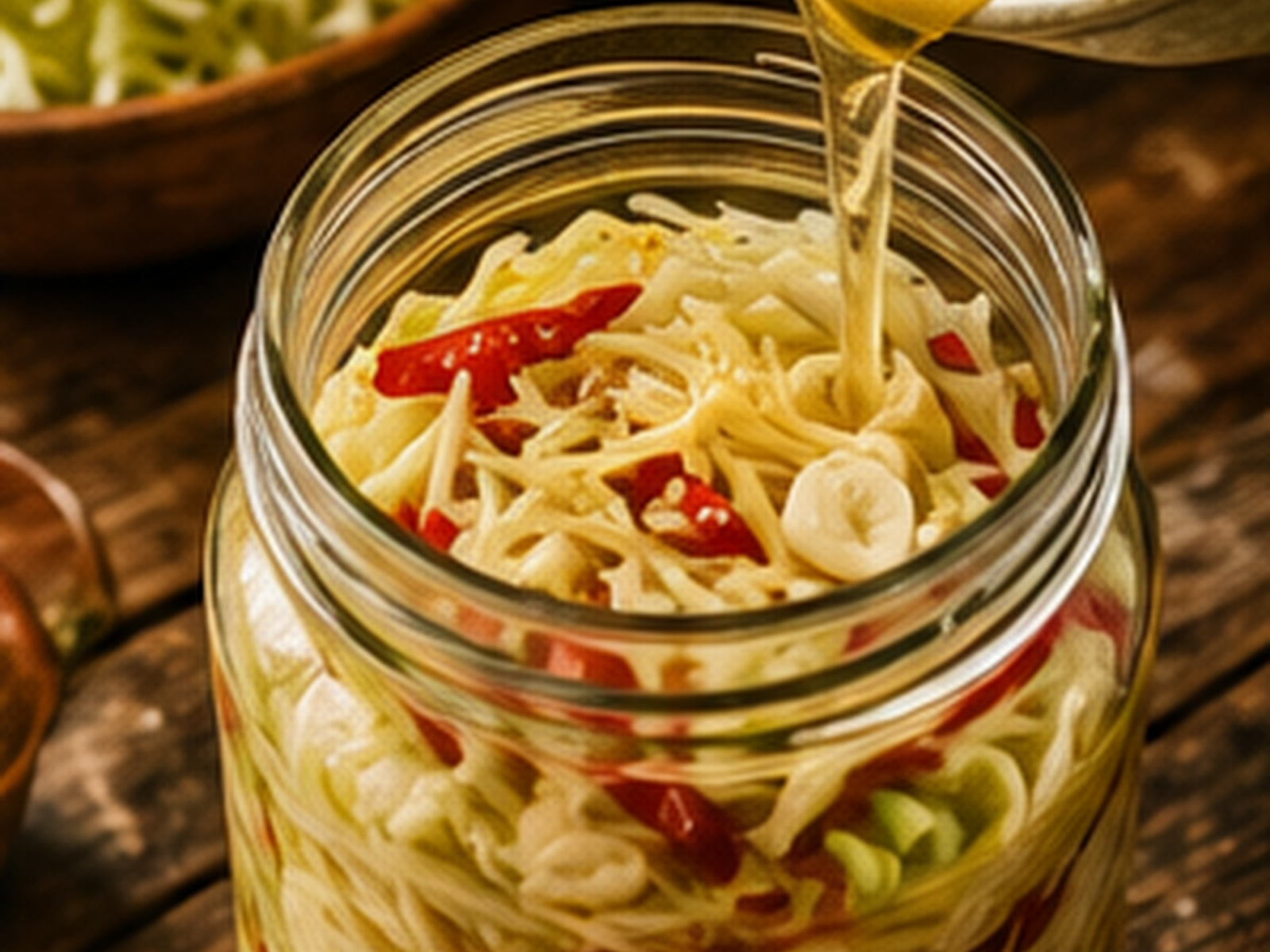
Start with something you can see.
Good beginner ferments should be easy to check: clean jars, enough brine, vegetables held below the surface, and a small project you can actually watch change.
Fermentation safety.
Fermentation is alive, but the basic safety rules should be clear.
Keep it clean
Use clean jars, clean hands, and fresh produce. Clean is not the same as sterile, but dirty equipment can cause problems.
Use enough salt
Salt helps create the environment you want. Follow a tested ratio when you are new instead of guessing by taste.
Keep vegetables submerged
Brine protects the ferment. Anything floating above the brine is more likely to mold.
Trust obvious warnings
If it smells rotten, grows fuzzy mold, turns slimy in a bad way, or makes you unsure, skip it. Fermentation should feel clear, not risky.
Get the good vegan stuff.
Subscribe for new posts, seasonal guides, smart finds, and a free copy of The Things Nobody Tells You.
Read next.
Stay in the Eat room and follow the next useful door.
Make It Taste Incredible
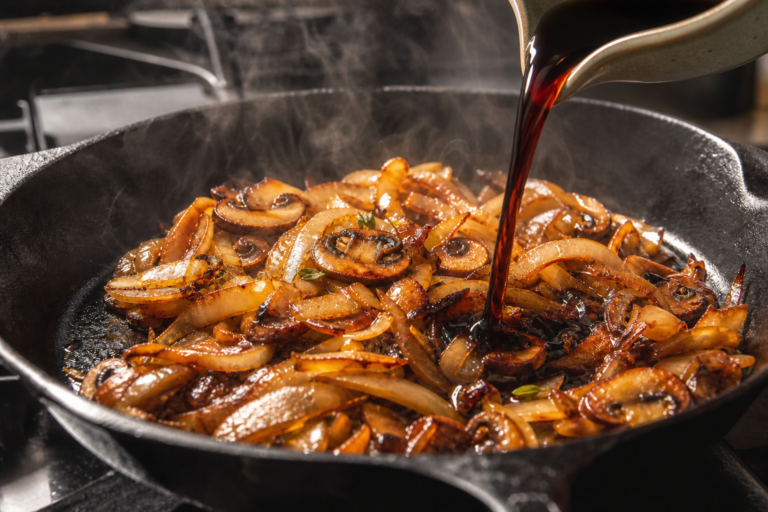
Fix flat food, dull tofu, bland beans, and dinners that need one more move.
The Pantry We Cook From
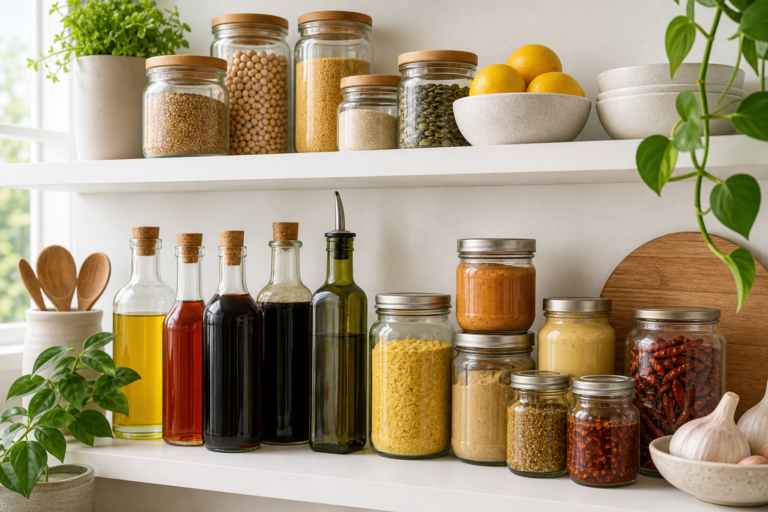
Pantry staples for low-energy dinners, fast meals, and better backup plans.
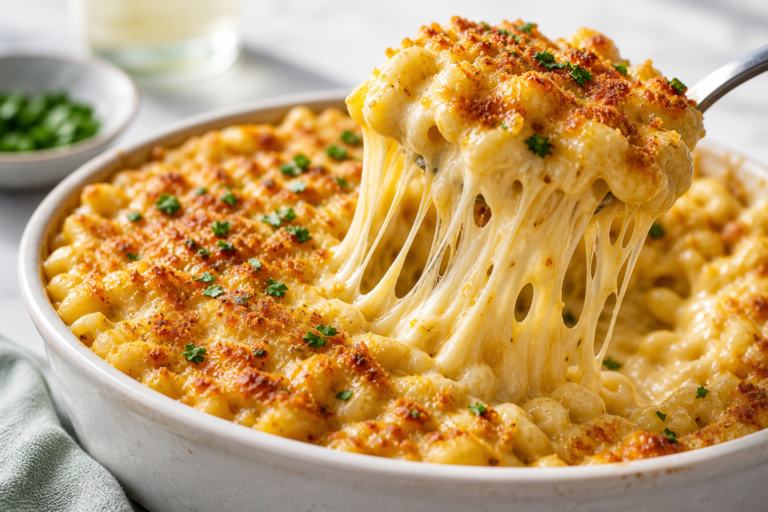
Vegan Cheese, Honestly
The honest landscape: what melts, what spreads, what to make, and when to skip it.
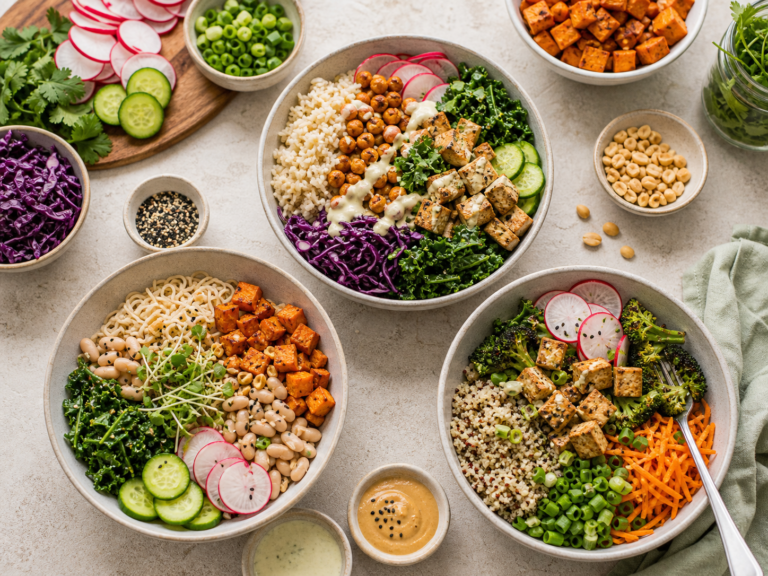
Dinners You Do Not Need a Recipe For
A formula that turns whatever is on hand into a real meal.