
Check
Recognize the animal-derived ingredients that come up most.
Ingredient lists can be hard to read. You do not need to memorize everything, but a few names come up again and again.
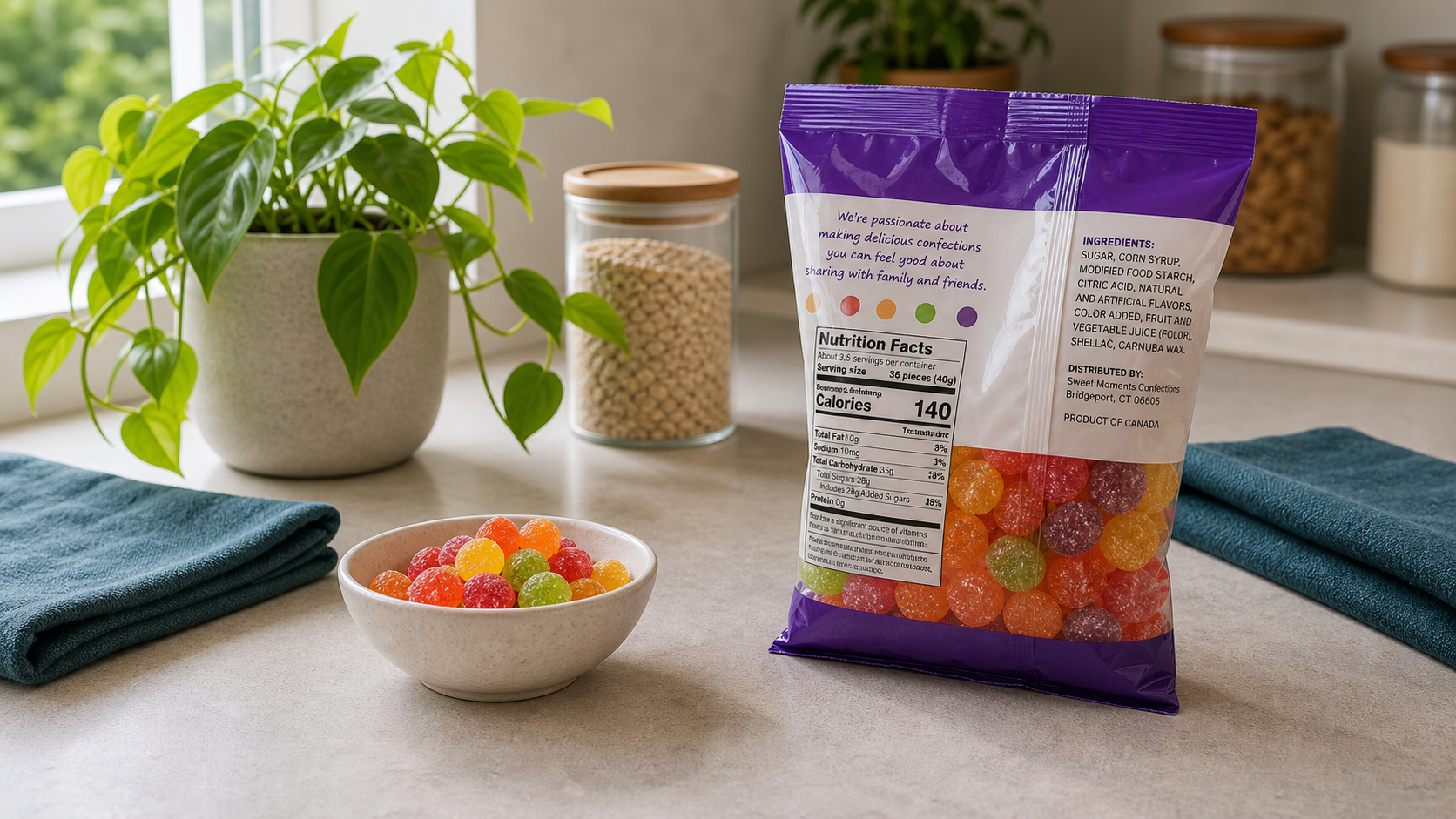
Learn the common animal-derived names first.
Ingredient lists can be hard to read, but not every unfamiliar word is a problem. Start with the common animal-derived names that show up again and again, then treat the ambiguous ones as a source question.
Gelatin, carmine, isinglass, shellac, casein, whey, lactose, lard, tallow, rennet, honey, beeswax, lanolin, silk, wool, leather, down, and animal hair are names to recognize quickly.
The category matters. Shellac in candy is different from lanolin in moisturizer, casein in a non-dairy cheese, or horsehair in a brush. A good check asks where the ingredient appears and what job it is doing.
Use the glossary as a first pass.
A starter glossary should help you decide what to do next: buy it, skip it, check the brand, or choose something simpler. It does not need to turn every grocery trip into a research project.
When the source can vary, do not treat the word as the whole answer. Glycerin, stearic acid, mono- and diglycerides, lactic acid, natural flavors, squalane, fatty acids, vitamin D3, and omega-3 can depend on supplier, formula, or product category.
Ingredient glossary.
Use this list for a first check before deeper research.
Gelatin
Usually animal-derived collagen. Check gummies, marshmallows, capsules, desserts, and some supplements.
Carmine
A red colorant from insects. Check makeup, candy, drinks, and colored foods.
Shellac
A glaze from lac insects. Check shiny candy, produce coatings, pills, and some beauty products.
Casein, whey, and lactose
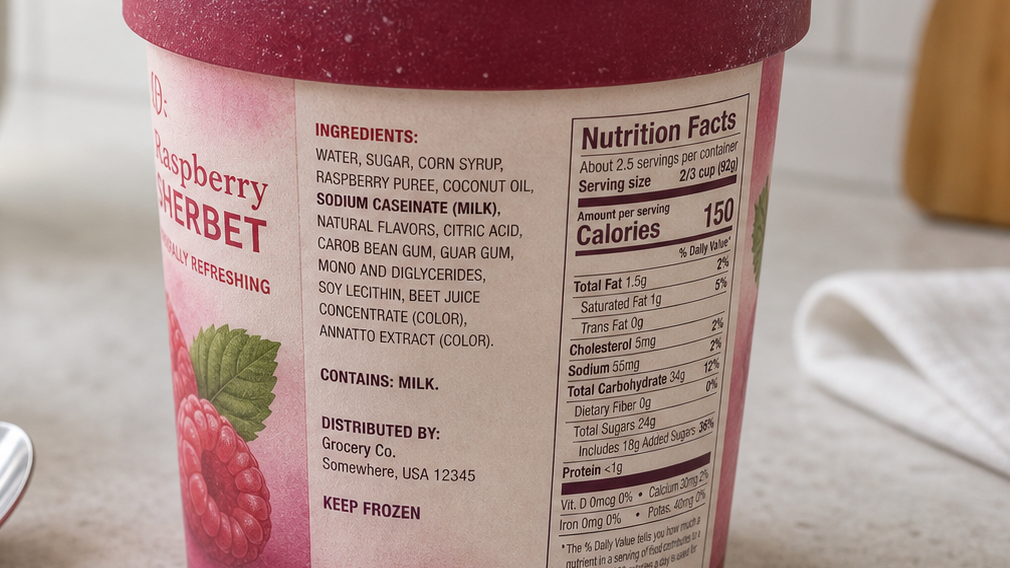
Milk-derived ingredients that can appear even when the front label says non-dairy or dairy-free.
Rennet, lard, tallow, and isinglass
Watch cheese, baked goods, frying fats, soaps, and some filtered alcoholic drinks.
Lanolin, beeswax, collagen, keratin, and silk proteins
Common beauty and personal-care flags. Check balms, moisturizers, hair care, mascara, and lip products.
Leather, wool, silk, down, feathers, horn, shell, bone, and horsehair
Material flags for clothing, home goods, brushes, furniture, rugs, bedding, and accessories.
It depends
Glycerin, stearic acid, mono- and diglycerides, lactic acid, natural flavors, squalane, fatty acids, D3, and omega-3 need source clarity.
Look closer
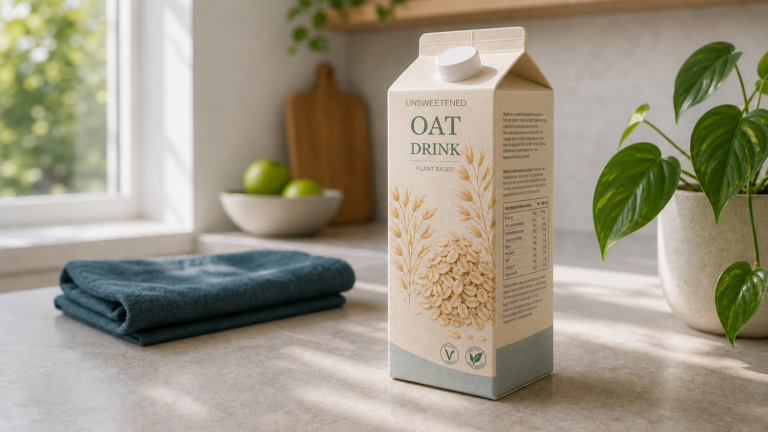
Dairy-free is not the same as vegan.
Some non-dairy products still contain casein, whey, or other milk-derived ingredients. Check the ingredient list, not only the front of the package. Familiar products can change, so recheck products you buy often.
Latest
Latest on this topic.
New notes, finds, and updates connected to this guide.

Sep 29, 2026
Vegan Halloween Candy: What to Buy and What to Check on the Package
Compare six vegan Halloween candy buys and four familiar favorites sold in the US, with guidance on ingredients, certification, cross-contact, texture, and…
Read post
Sep 10, 2026
How to Check Vegan Claims on Food, Cosmetics, and Clothing
Check the milk ingredient in Coffee mate Original powder, a precautionary milk warning, a cosmetic's ingredients and testing policy, and a shoe's…
Read post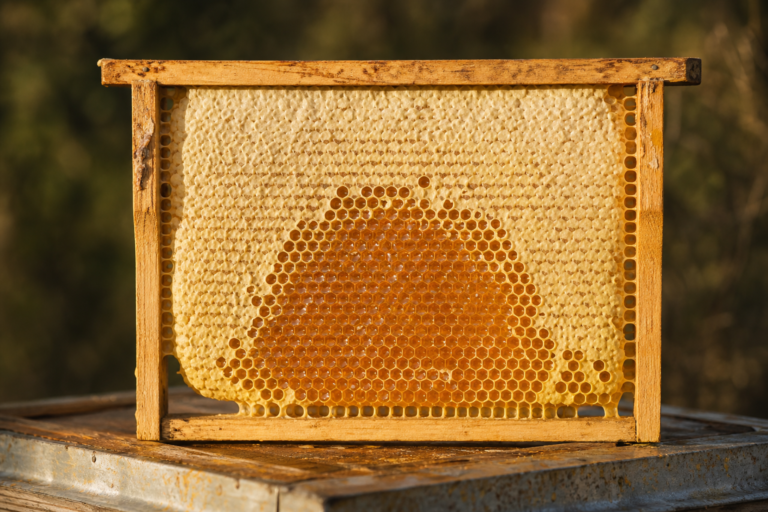
Sep 1, 2026
Is Honey Vegan? Why It Is Excluded and What to Use Instead
Honey is not vegan because bees make and store it as food. Learn how to spot honey on labels and choose a…
Read postGet the good vegan stuff.
Subscribe for new posts, seasonal guides, smart finds, and a free copy of The Things Nobody Tells You.
Read next.
Stay in the Check room and follow the next useful door.
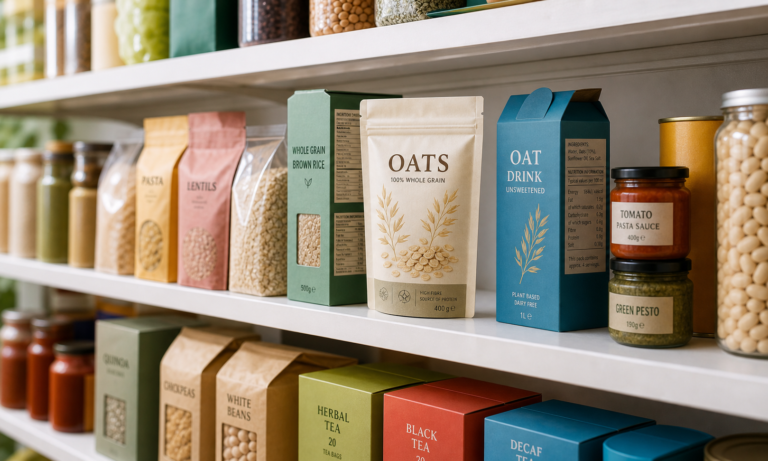
Is It Vegan? How to Actually Know
A practical vegan checking method for products, ingredients, claims, menus, and uncertain answers.
Labels and Logos, Decoded
A vegan guide to labels, logos, certification marks, cruelty-free claims, plant-based language, and dairy-free traps.

Check
Ingredients, labels, logos, claims, and uncertainty.