
Be
Build vegan meals around visible protein.
Plant protein does not need to be complicated. Tofu, tempeh, lentils, beans, edamame, seitan, grains, nuts, seeds, and ordinary meals add up.
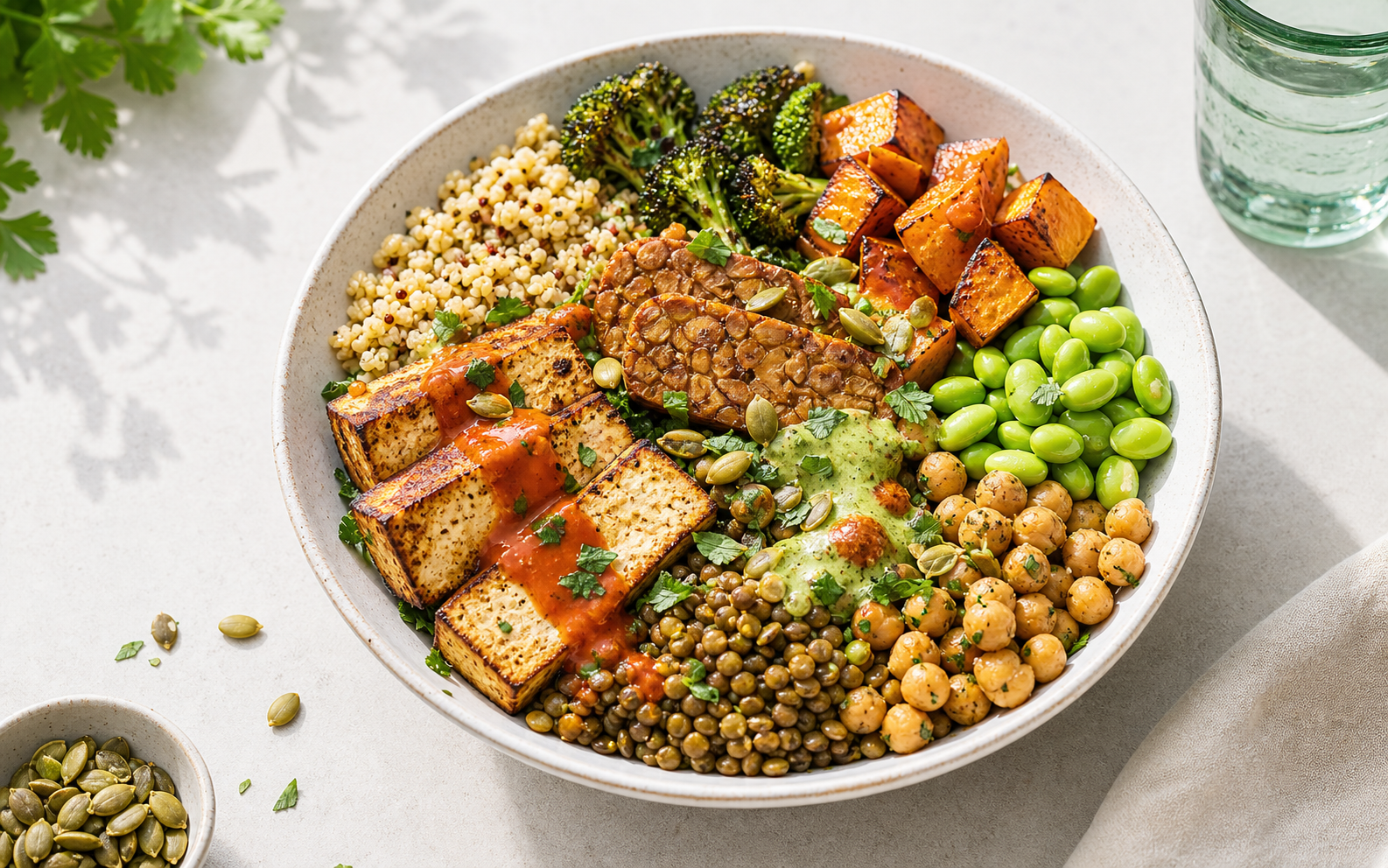
Make protein visible at meals.
You do not need a speech. Build meals around a protein anchor. Eat enough food across the day.
A breakfast might use soy milk, tofu scramble, beans, peanut butter, or a smoothie with protein added. Lunch might use lentils, chickpeas, tofu, tempeh, seitan, edamame, or a bean-heavy soup. Plan the protein before the garnish.
Higher-need situations deserve more attention: pregnancy, childhood, older age, athletics, illness, recovery, very low appetite, or a major change in training. Plan for those needs without turning protein into a panic.
Protein map.
Use this to anchor meals.
Soy foods
Tofu, tempeh, edamame, soy milk, and soy curls are reliable anchors.
Legumes
Lentils, beans, chickpeas, split peas, and hummus work in everyday meals.
Dense options
Seitan, mock meats, and some powders help when you need more protein in less volume.
Supporting foods
Nuts, seeds, grains, vegetables, and sauces add protein, calories, and texture around the anchor.
Meal rhythm
Check the whole day instead of trying to perfect one plate.
Iron note
Pair iron-rich plant foods with vitamin C and ask about labs if fatigue, pregnancy, menstruation, or training load make iron status more important.
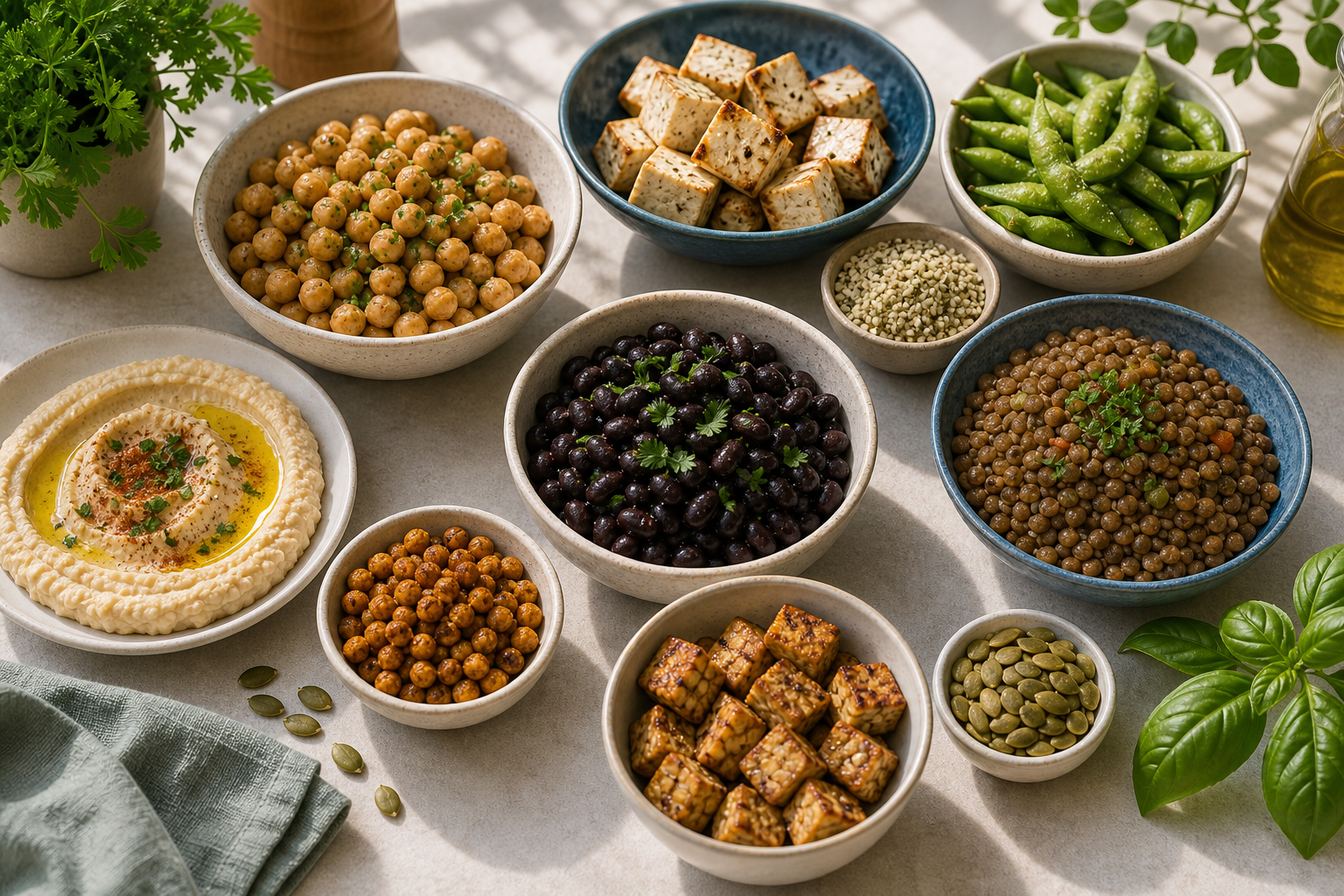
Look closer
Build the plate first.
A protein anchor, vegetables, a grain or starch, and a fat source cover most ordinary meals without turning protein into a debate.
Get the good vegan stuff.
Subscribe for new posts, seasonal guides, smart finds, and a free copy of The Things Nobody Tells You.
Read next.
Stay in the Be room and follow the next useful door.
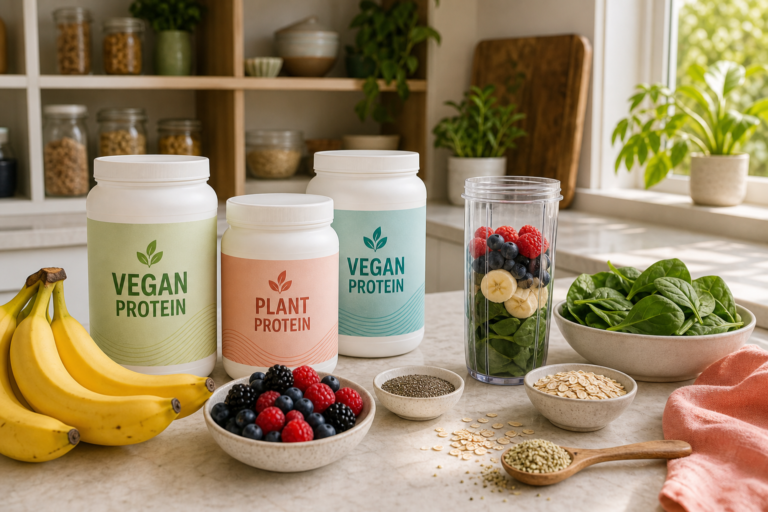
Protein Powders, Sorted
A vegan protein powder guide for soy, pea, rice, blends, hemp, labels, sweeteners, and marketing claims.
Moving Your Body
A vegan exercise guide covering protein, recovery, carbs, creatine, hydration, and ordinary training basics.
Supplements, Bluntly
A blunt vegan supplement guide covering B12, vitamin D, algae omega-3, iodine, bloodwork, and what probably does not matter.
Be
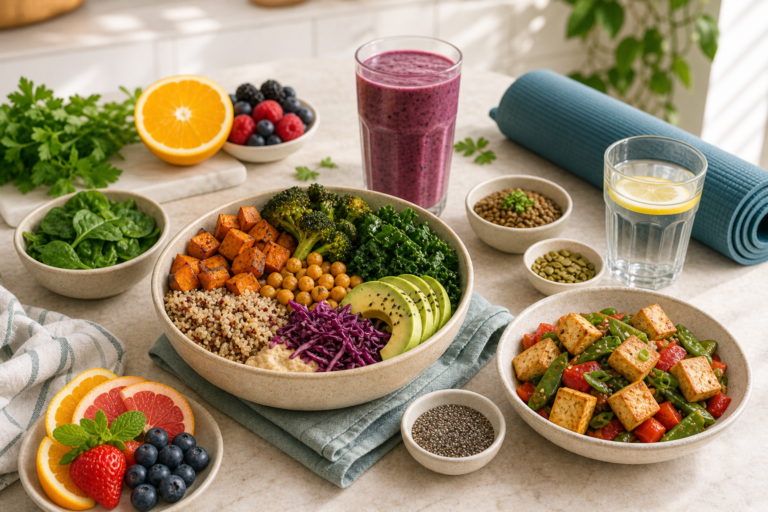
Supplements, protein, sleep, exercise, pregnancy, bloodwork, and vegan kids.
This is general information, not medical advice. Vegan or not, get your bloodwork done and talk to a clinician about your own situation, especially during pregnancy or for a child.