
Be
Vegan training still starts with enough food, protein, and recovery.
Plant foods can fuel movement. The main questions are total food, protein, carbs, recovery, consistency, and a few supplements that may be worth knowing about.
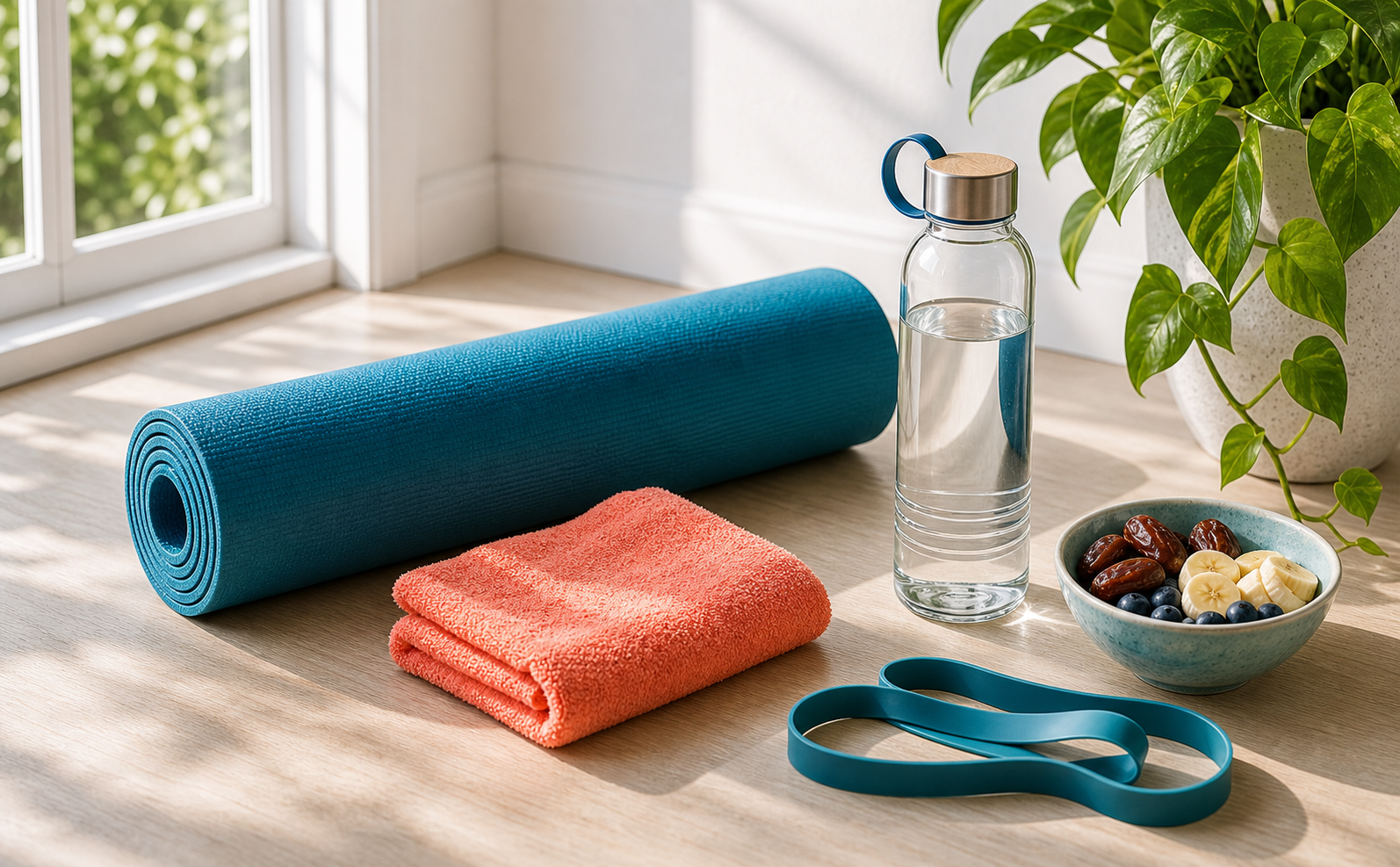
Start with the training basics.
Training on a vegan diet still comes down to the basics: eat enough, hydrate, sleep, build training gradually, recover, and make protein visible.
Vegan athletes exist at every level. A well-planned vegan diet can support athletes, and research has included vegan endurance runners, including marathon and ultramarathon distances. There are well-known examples too, including plant-based ultramarathoner Scott Jurek. The point is not that vegan means automatically fit. Training still needs enough food, enough protein and carbs, B12, iron, vitamin D, sleep, and recovery.
Before training, many people do better with easy carbohydrates and enough fluid. After training, protein, carbs, rest, and normal meals matter more than a perfect recovery ritual.
If performance drops, check the basics first: total food, protein, iron/ferritin, B12, vitamin D, sleep, stress, training load, and whether you are doing too much on too little.
Training check.
Use this when training feels harder than expected.
Enough food
Under-eating makes movement feel worse, vegan or not.
Protein visible
Put tofu, tempeh, beans, lentils, seitan, soy milk, protein powder, or another anchor somewhere in the day.
Carbs allowed
Plant foods are good at fueling movement. Use that.
Recovery
Sleep, rest days, hydration, and enough total food are part of training.
Supplements
Creatine or protein powders may help some people, but they are tools, not proof that vegan training is fragile.
Check labs when needed
If fatigue, dizziness, heavy periods, pregnancy, illness, or performance changes show up, ask about labs and clinician guidance.
Look closer
Consistency matters most.
The best plan is the one you can return to next week, not the one that sounds perfect today.
Get the good vegan stuff.
Subscribe for new posts, seasonal guides, smart finds, and a free copy of The Things Nobody Tells You.
Read next.
Stay in the Be room and follow the next useful door.
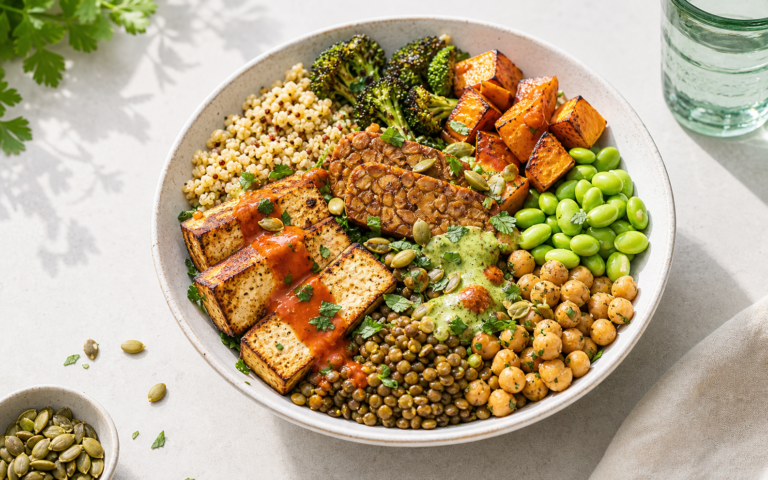
The Protein Question
A calm vegan protein guide covering complete protein, daily needs, plant sources, iron, and balanced plates.
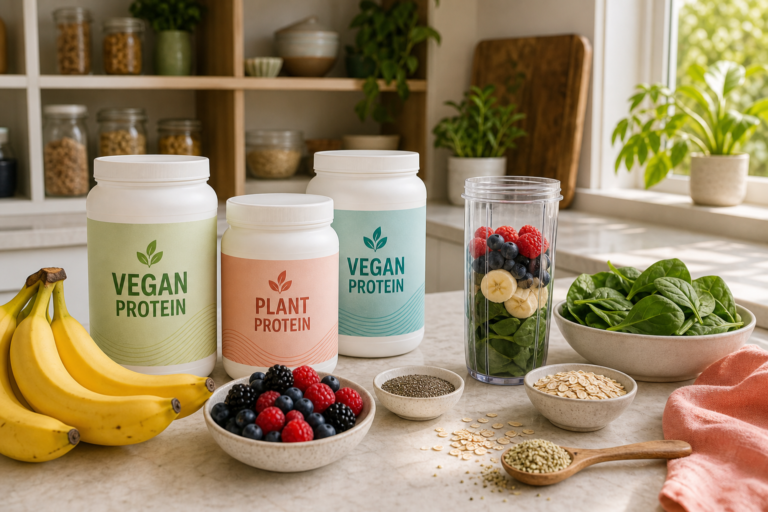
Protein Powders, Sorted
A vegan protein powder guide for soy, pea, rice, blends, hemp, labels, sweeteners, and marketing claims.
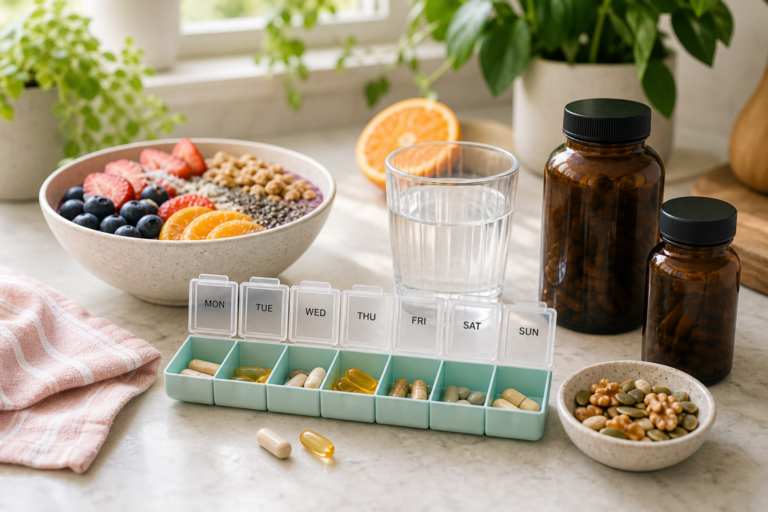
Supplements, Bluntly
A blunt vegan supplement guide covering B12, vitamin D, algae omega-3, iodine, bloodwork, and what probably does not matter.

Sleep
A vegan sleep and recovery guide covering caffeine, light, routine, magnesium, melatonin, B12, iron, and bloodwork.
This is general information, not medical advice. Vegan or not, get your bloodwork done and talk to a clinician about your own situation, especially during pregnancy or for a child.